
Beautiful Plants For Your Interior
Beautiful Plants For Your Interior
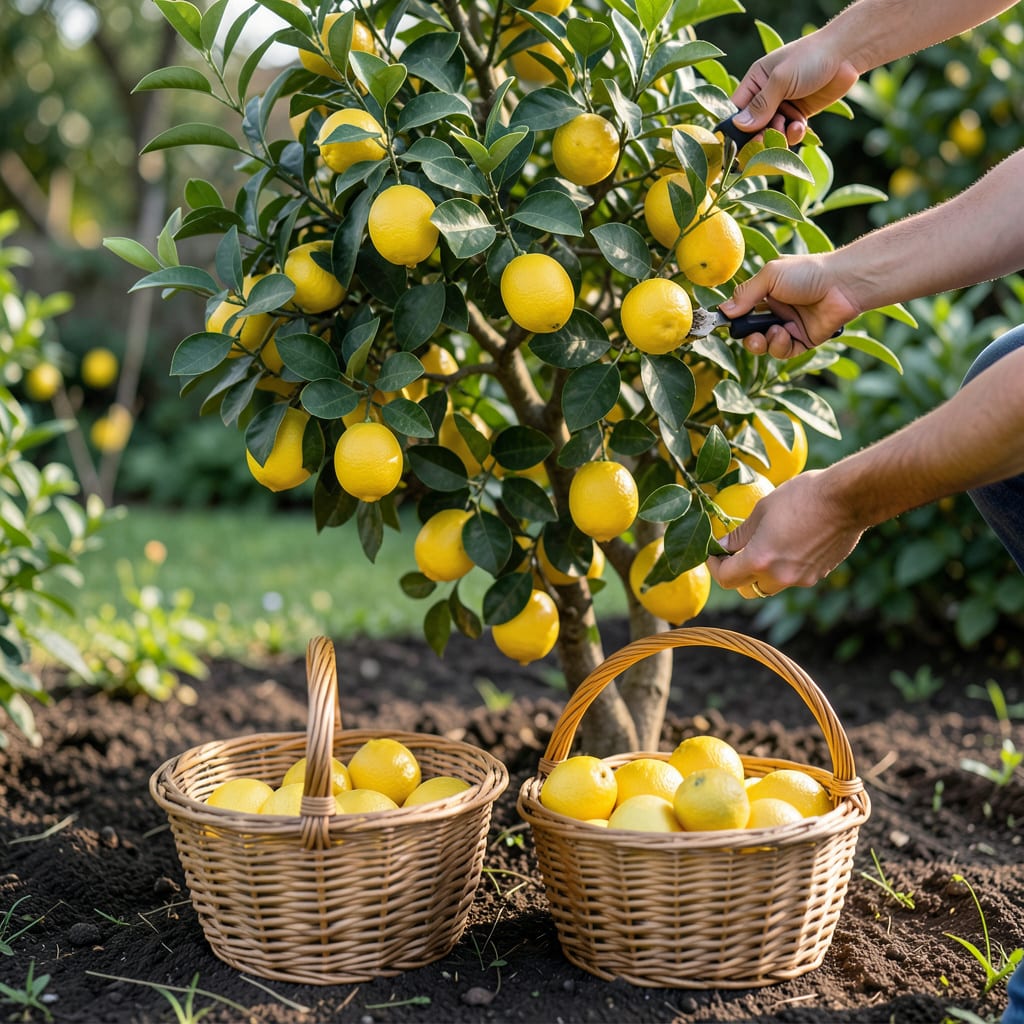
There’s nothing quite like the satisfaction of picking a perfectly ripe 🍋 Meyer Lemon from your own tree. But how do you know when it’s ready?
I’ll show you the key signs to look for, from color changes to that telltale citrus aroma. With these tips, you’ll never question if your Meyer Lemons are at their peak again.


Timing your Meyer lemon harvest perfectly makes all the difference in flavor. These trees are unique because they can produce fruit year-round in warm climates, but most lemons ripen from late fall to early spring. I always look for visual cues first.
The most obvious sign is color change. Your lemons will transition from deep green to a vibrant yellow-orange when fully ripe. But color alone isn’t enough—you’ll want to check a few other indicators too.
| cell” style=”background-color:#6fd544;color:#fff;”>What to Look For | |
| row”> | cell”>Slight give when gently squeezed |
| row”> | cell”>Thin and smooth surface |
| October-April peak months |
Don’t just rely on appearance—touch matters too. A ripe Meyer lemon will have a slight softness when you gently press it with your fingers. If it feels hard as a rock, it’s not ready yet. The skin should also feel thin and smooth, not thick or bumpy.
The aroma test is my favorite. Ripe Meyer lemons give off an intense citrus fragrance that you can smell before you even pick them. If there’s no scent, they’re likely underripe. This is especially true for organic homegrown lemons compared to store-bought ones.
Seasonal timing plays a big role. In USDA zones 9-11, Meyer lemons typically ripen from October through April. However, in warmer microclimates, you might see year-round production with multiple harvests. I’ve noticed my tree often has lemons ready in late winter when other citrus varieties are dormant.
One common mistake is picking too early. If your lemons still have green patches, they’re not ready. But don’t wait too long either—overripe lemons can become dull in flavor or even start to ferment on the tree. The perfect window is usually 7-10 days once they reach full color.
The stem test is another good indicator. Ripe lemons will easily separate from the stem with a gentle twist. If you have to yank hard, they’re probably not ready. I always use pruning shears to avoid damaging the tree when harvesting.
Remember that tree-ripened lemons are always sweeter than those picked early and ripened indoors. Unlike some fruits, Meyer lemons don’t continue to ripen significantly after picking. What you pick is essentially what you get in terms of flavor development.
Finally, consider your local climate. In cooler areas, lemons might take longer to ripen and may need frost protection. In consistently warm climates like Southern California or Florida, you might enjoy multiple harvests per year. I’ve found that lemons ripen faster during warmer months but develop more complex flavors in cooler weather.
☀️Timing your Meyer lemon harvest depends heavily on your USDA hardiness zone. In warm climates like California or Florida, lemons often ripen between October and April, with peak harvests in winter.
Cooler zones may see a shorter window, typically from late fall to early spring. Frost can delay ripening, so I always monitor temperature swings closely.
| Climate Zone | Harvest Months | Key Notes |
|---|---|---|
| Zone 9-11 | Oct-April | Year-round possible in frost-free areas |
| Zone 8 | Nov-March | Protect from early frosts |
| Zone 7 | Dec-Feb | Requires winter protection |
In Zone 9-11, your tree might produce multiple harvests per year. I’ve seen Meyer lemons ripen as early as September in ideal conditions, but they’re sweeter after a light frost.
For Zone 8 gardeners, the harvest window tightens to November through March. A frost cloth can extend the season by 2-3 weeks if temperatures dip suddenly.
In Zone 7, focus on December to February. These lemons need winter protection, like moving potted trees indoors or using mulch insulation around the base.
Always check for ripeness signs like deep yellow color and slight softness, regardless of your zone. Climate is a guide, but visual cues are the final word. 🌿
Once you’ve harvested your Meyer lemons, proper post-harvest care ensures they stay fresh and flavorful. I always handle them gently to prevent bruising, as the thin skin can easily damage.
For short-term storage, keep lemons at room temperature in a well-ventilated area for up to a week. This preserves their bright citrus aroma and natural oils.
For longer storage, refrigerate lemons in a plastic bag with ventilation holes. They’ll last 3-4 weeks this way. I avoid washing them before storage, as excess moisture can cause spoilage.
If you have unripe lemons, they can continue to ripen indoors at room temperature, though the flavor won’t be as sweet as tree-ripened ones. Place them in a paper bag with an apple to speed up ripening.
Meyer lemons are incredibly versatile. I love using their zest in baking or preserving slices in sugar syrup. Their sweeter taste makes them perfect for dressings and marinades too. 🌿
Look for a deep yellow-orange color and a strong citrus aroma. Gently squeeze—ripe fruit gives slightly. Avoid green patches or hard textures.
They’ll soften but won’t sweeten much off the tree. For best flavor, wait until lemons show full color and slight give before harvesting.
Early harvests will be tart and less juicy. The skin may also feel thick, and the aroma will be faint. Wait for full ripeness.
Cooler temperatures or shade can slow ripening. In warm climates, lemons may turn color faster. Always check for softness and scent.
