
Beautiful Plants For Your Interior
Beautiful Plants For Your Interior
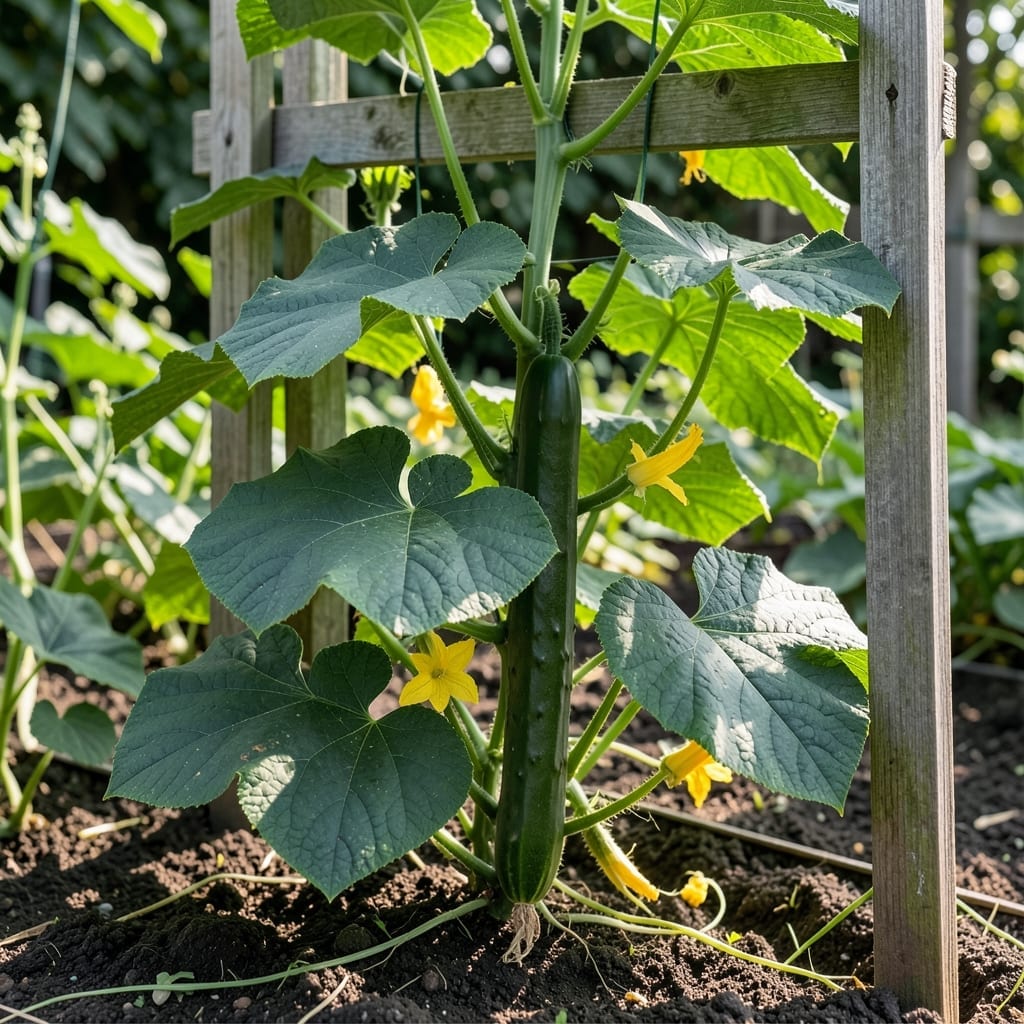
I remember the first time I planted 🥒 Cucumber seeds, assuming more sun always meant better growth. Boy, was I wrong about that.
While these vining plants do love warmth, there’s a fine line between thriving and struggling in the summer heat. Getting the light balance right can make or break your harvest.
Through trial and error, I’ve learned that 6-8 hours of sunlight is ideal, but there are times when a little shade becomes the key to success. The trick is knowing when to provide it.
Let me share what I’ve discovered about giving your Cucumbers just the right amount of light for those crisp, homegrown vegetables you’re dreaming of.
 Best Window Placement
I’ve learned through experience that cucumbers thrive in full sun, but there’s a catch. These plants need 6-8 hours of direct sunlight daily for optimal growth and fruit production. However, too much intense heat can stress them out.
In my garden, I’ve noticed cucumbers can Handle partial shade, especially during the hottest part of the day. This balance helps prevent leaf scorch and ensures steady growth. The key is understanding their limits.☀️
Cucumber Sunlight Requirements
| Requirement | Specification |
|---|---|
| Ideal Sunlight | 6-8 hours daily |
| Light Type | Direct sun |
| Shade Tolerance | Partial shade in heat |
| Heat Stress Signs | Wilting, leaf burn |
Photosynthesis in cucumbers is most efficient with ample sunlight. However, during heat waves above 90°F, the plants may benefit from afternoon shade to prevent stress and maintain productivity.
I’ve found that young seedlings are particularly sensitive. They need protection from harsh sun until they establish strong roots. A little dappled shade can make a big difference in their early growth stages.
For container-grown cucumbers, the rules are slightly different. Pots heat up faster, so I often move them to a shadier spot during peak afternoon hours. This prevents root overheating and keeps the soil moist.
Companion planting can also provide natural shade. I use tall plants like corn or sunflowers to cast light shade over cucumbers during the hottest part of the day. It’s a simple yet effective strategy.
If you notice yellowing leaves or stunted growth, it might be a sign of too much sun. Conversely, leggy vines with few fruits could indicate insufficient light. Adjusting the shade accordingly can resolve these issues.
In my experience, shade cloth with 30-50% opacity works wonders during extreme heat. It reduces the intensity of sunlight without blocking it completely, allowing cucumbers to thrive even in scorching summers.
Remember, the goal is to provide consistent conditions. Sudden changes in light exposure can shock the plants. Gradually introduce any shade adjustments to keep your cucumbers happy and productive.🌱
I’ve found that extreme heat waves above 90°F are the first signal to add shade. Even sun-loving cucumbers can wilt or scorch under relentless afternoon rays. A little protection goes a long way.
Young seedlings are especially vulnerable. Until they develop strong roots, I always provide dappled shade or use a light shade cloth. This prevents stress while they establish themselves.
When to Shade Cucumbers
For container cucumbers, I move pots to shadier spots during peak heat. The confined roots overheat faster than in-ground plants, so this small adjustment prevents stress.
Companion planting offers natural solutions. Tall crops like corn or sunflowers can cast light shade. I’ve also used trellises with climbing beans to create partial shade for cucumbers below.
Shade cloth is my go-to for extreme conditions. A 30-50% opacity cloth reduces sun intensity without blocking growth. I drape it over stakes during the hottest hours, removing it in cooler mornings.
Remember, the goal is balance. Too much shade leads to leggy vines and poor fruiting. I monitor my plants daily, adjusting shade as needed to maintain that perfect 6-8 hours of light.🌱