
Beautiful Plants For Your Interior
Beautiful Plants For Your Interior
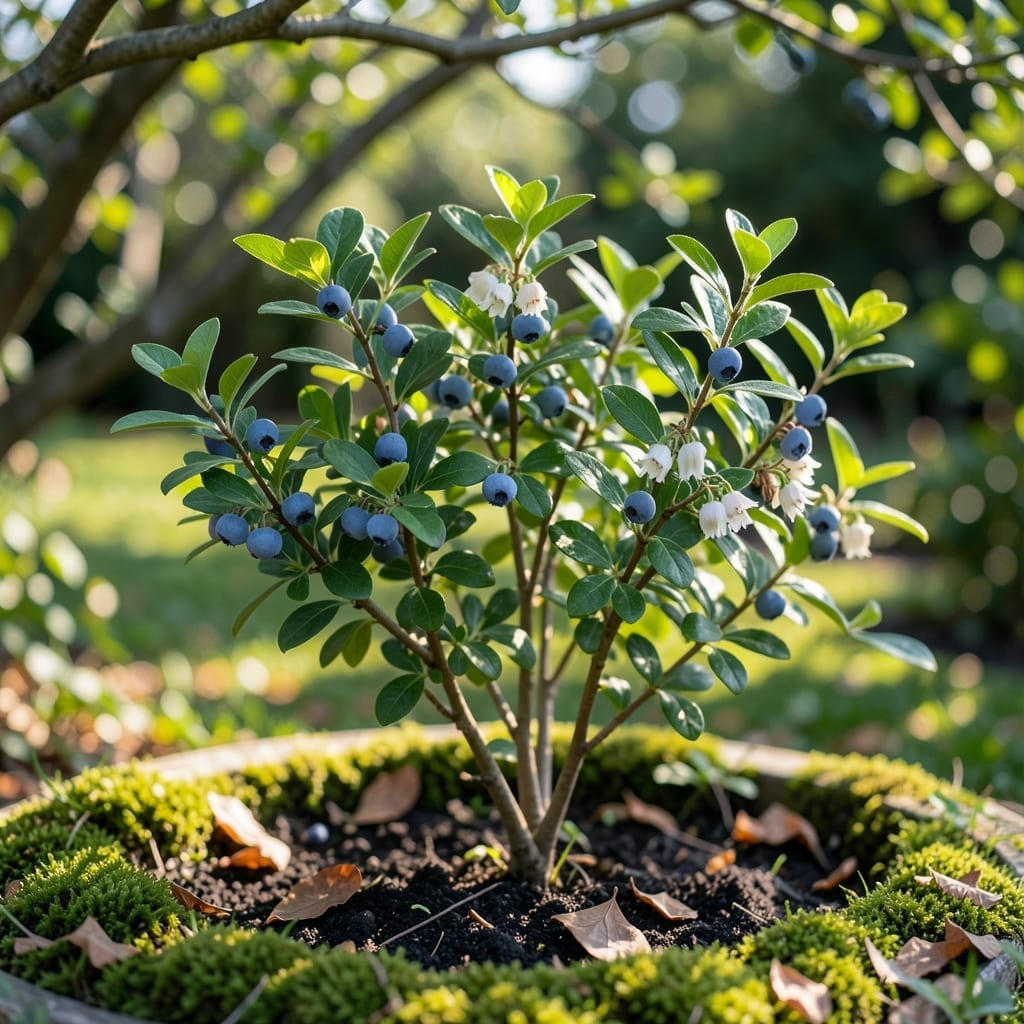
Yes, blueberry bushes are deciduous in most climates, shedding leaves in fall to conserve energy for winter. Evergreen varieties in mild regions may retain foliage year-round.
This natural cycle helps the plant survive colder months by redirecting nutrients to its roots. 🔥 I’ve noticed that in zones with mild winters, some southern highbush types keep their leaves, but most northern varieties drop them completely. The timing varies, but you’ll typically see the change as temperatures drop below 50°F consistently.
💡 In This Article
The leaf-shedding process is triggered by environmental cues, primarily shortening daylight hours and dropping temperatures. As days grow shorter in autumn, blueberry bushes begin producing abscisic acid, a hormone that signals leaves to detach. This isn’t damage—it’s a survival strategy that redirects the plant’s energy toward root development and winter hardiness.
Most cultivated blueberries, like northern highbush varieties, are deciduous and will drop all leaves by late fall. In contrast, southern highbush and some rabbiteye types in USDA zones 7-10 may retain foliage year-round. These evergreen tendencies appear when winter temperatures stay above 25°F, allowing the plant to maintain photosynthesis without risk of frost damage. 🌟
What’s fascinating is how the plant recycles nutrients during this transition. Before leaves fall, blueberry bushes reabsorb about 50-60% of the nitrogen and phosphorus from the foliage. This nutrient recovery is why you might notice leaves turning vibrant red or purple—the remaining chlorophyll breaks down, revealing other pigments.
The process typically takes 4-6 weeks from first color change to complete leaf drop.
The timing varies by cultivar and climate. In Michigan, early varieties like ‘Duke’ may start changing color in late September, while in Oregon, ‘Bluecrop’ might hold its leaves until November. This natural cycle ensures the bush enters dormancy with maximum stored energy, ready to burst with new growth when spring temperatures rise above 50°F consistently.
✨
For evergreen types, leaf retention comes with a trade-off. While they can photosynthesize year-round, they’re more vulnerable to sudden cold snaps. A hard freeze below 20°F can damage these leaves, which is why even semi-evergreen varieties in marginal zones often lose some foliage during particularly cold winters.
Yes, it’s completely natural for most types. Deciduous varieties shed leaves in fall to prepare for winter dormancy. This cycle helps the plant conserve energy and protect itself from cold.
Evergreen varieties in warmer climates (USDA zones 7-10) may retain foliage year-round. These can continue photosynthesizing when temperatures stay above 25°F, but may still drop leaves during cold snaps.
Expect fresh growth when temperatures consistently stay above 50°F. The first leaves often have a reddish tint before turning green. This typically occurs 4-6 weeks after the last frost in your area.
Leave some leaf litter as natural mulch. It returns nutrients to the soil as it decomposes and protects roots. Only remove leaves if they show signs of disease to prevent spread.