
Beautiful Plants For Your Interior
Beautiful Plants For Your Interior
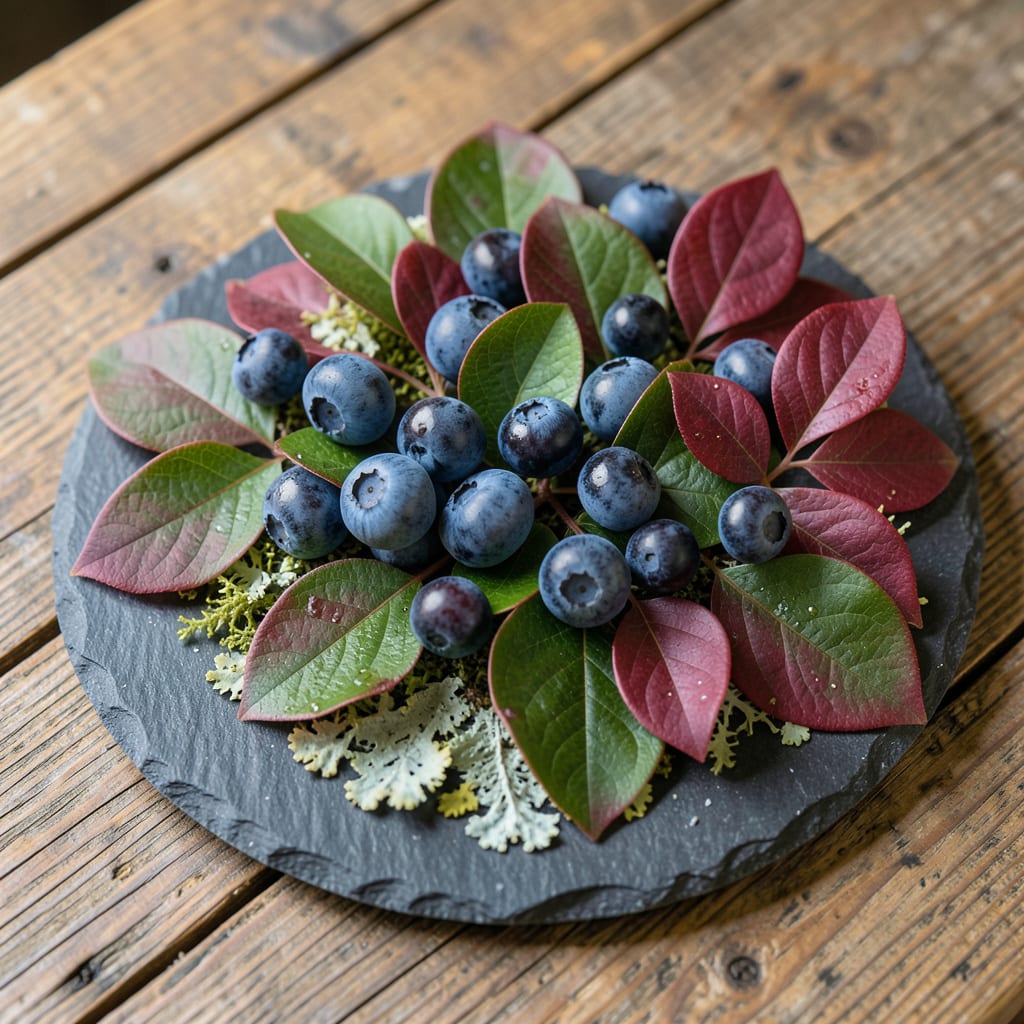
Red leaves on blueberry bushes caught me off guard last season. Turns out, it’s not just about fall color—it’s often the plant’s way of waving a white flag.
Most times, it’s a phosphorus deficiency or soil pH that’s too high, choking off nutrient uptake. Other culprits include drought stress, overwatering, or even a sudden cold snap that shocks the system.
I fixed mine with a soil test, adjusted the pH to 4.5-5.5, and added a balanced fertilizer. The new growth came in green within weeks, and the berries followed.
Don’t panic—this is usually fixable. Start with the soil, then check water and weather. Your bushes will thank you.
The vibrant red hue in blueberry leaves is often a stress signal, not a sign of health. Several environmental and nutritional factors can trigger this color change, each with distinct underlying mechanisms.
Extreme temperatures, particularly cold snaps below 32°F (0°C) or heatwaves above 90°F (32°C), disrupt chlorophyll production. Chlorophyll, the green pigment essential for photosynthesis, breaks down under stress, revealing anthocyanins—red pigments naturally present in blueberry leaves. This is a protective response: anthocyanins act as sunscreens, shielding leaves from UV damage during heat stress or preventing cellular damage during cold.
Both drought and waterlogging can induce reddening. In drought, leaves produce anthocyanins to scavenge harmful free radicals caused by dehydration. Conversely, waterlogged roots suffocate, limiting nutrient uptake (especially phosphorus), which stunts chlorophyll synthesis. Without enough chlorophyll, red pigments dominate.
A lack of phosphorus or magnesium is a common culprit. Phosphorus is critical for energy transfer in plants; its deficiency slows growth and triggers anthocyanin accumulation. Magnesium, the central atom in chlorophyll, directly impacts green pigment levels—when deficient, leaves turn red, yellow, or purple. Test soil pH (ideal: 4.5–5.5 for blueberries); high pH locks out these nutrients.
Blueberries thrive in full sun, but intense, direct light—especially in hot climates—can overwhelm leaves. Anthocyanins surge to absorb excess light energy and protect cellular structures, much like a built-in shade system. This often affects the most exposed leaves first.
Here’s how to address the most common causes of reddening blueberry leaves, with actionable fixes and prevention tips to keep your plants thriving.
Fix: Test your soil with a pH kit—blueberries need acidic soil (pH 4.5–5.5). If levels are off, amend with sulfur or peat moss to lower pH. For phosphorus or magnesium shortages, apply a balanced, acid-loving fertilizer (e.g., 10-10-10 for blueberries) or Epsom salt (1 tbsp/gallon of water) for magnesium.
Prevention: Feed plants with a slow-release, blueberry-specific fertilizer in early spring and mulch with pine bark to maintain acidity. 💡 Pro tip: Avoid lime or wood ash—they raise pH!
Fix: Shield plants from extreme heat with shade cloth (30–50%) during peak sun. For cold snaps, cover bushes with frost blankets overnight. If drought is the culprit, water deeply 2–3 times weekly (1–2 inches per session), focusing on the root zone.
Prevention: Plant in a well-draining, sunny spot with afternoon shade in hot climates. Mulch with wood chips to retain moisture and regulate soil temperature. ❄️ Winter prep: Apply a thick mulch layer (4–6 inches) before the first frost.
Fix: For spider mites or aphids, spray leaves with neem oil (1 tbsp/gallon of water + 1 tsp dish soap) every 5–7 days. If fungal issues (e.g., anthracnose) appear, use a copper fungicide and remove infected leaves.
Prevention: Encourage beneficial insects (like ladybugs) with companion plants (e.g., marigolds). Prune bushes annually to improve airflow and reduce humidity. ✨ Bonus: Rotate sprays to prevent resistance.
Some red tinting in fall is natural, but vibrant red during growing season usually signals stress. Check for other symptoms like stunted growth or leaf drop to confirm a problem.
After amending soil pH to 4.5-5.5 and adding fertilizer, expect new growth to appear green within 2-3 weeks. Existing red leaves won’t revert but new ones will show improvement.
Yes! Waterlogged roots suffocate and block phosphorus uptake. Reduce watering to 2-3 times weekly with 1-2 inches per session, and ensure good drainage.
Use 30-50% shade cloth during peak sun hours in extreme heat. This prevents anthocyanin buildup while allowing enough light for fruit production.
