
Beautiful Plants For Your Interior
Beautiful Plants For Your Interior
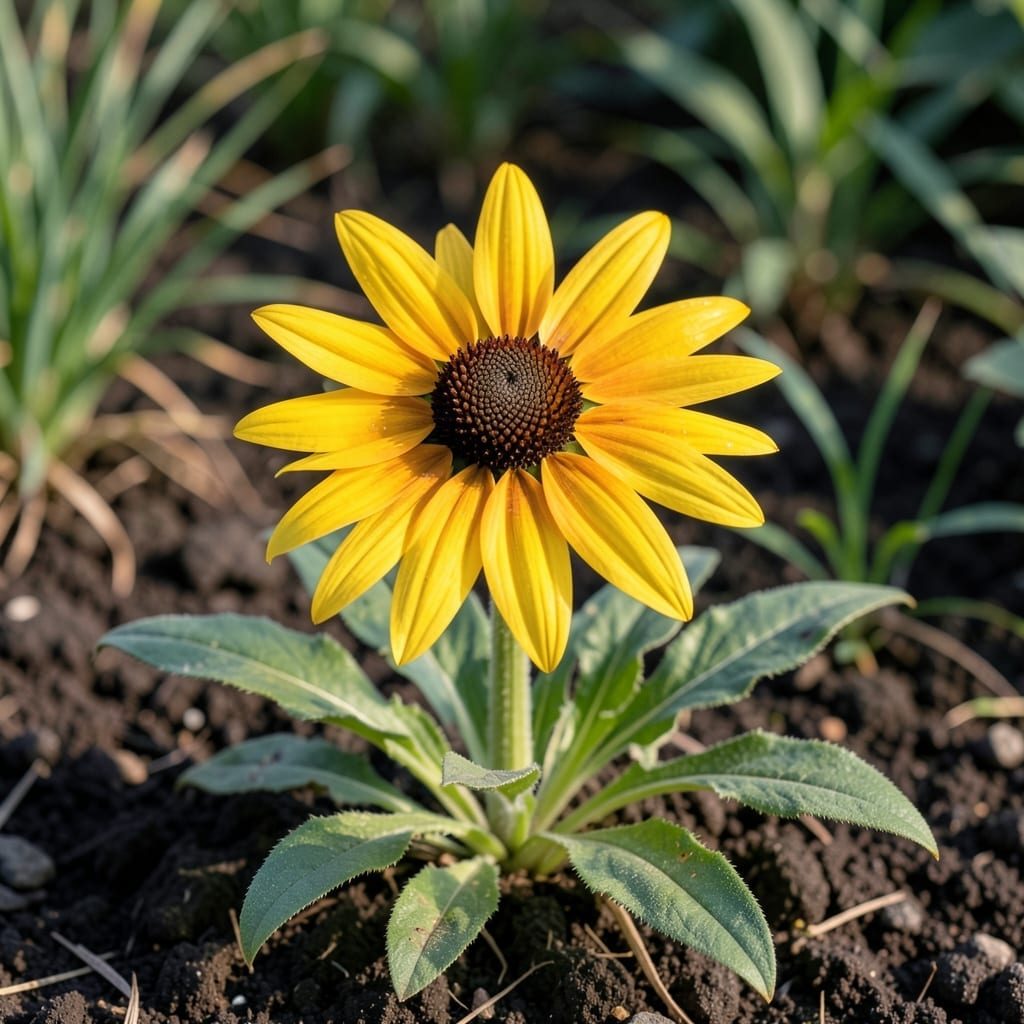
Black eyed Susans are typically perennial in most growing zones, returning each year from the same roots. In very cold climates or with poor care, they may behave as biennials or short-lived perennials.
I love how these hardy plants establish deep root systems that store energy through winter dormancy, allowing them to regrow year after year in zones 3-9. Their resilience comes from rhizomes that spread underground, creating new shoots each spring. 🌟
This natural cycle means you’ll see fresh blooms without replanting, though extreme cold or neglect can shorten their lifespan to just 2-3 years.
💡 In This Article
These plants thrive as perennials due to their extensive rhizome system, which stores nutrients and energy during winter dormancy. The rhizomes, underground stems, remain alive beneath the soil even when the foliage dies back in cold weather. This stored energy fuels new growth when temperatures rise in spring. 🔥
Black Eyed Susans typically regrow in USDA zones 3-9, where winter temperatures rarely drop below -40°F. In these regions, the rhizomes stay protected by soil insulation, allowing the plant to rebound each year. The process begins as soil warms, triggering root activity and new shoot emergence.
In colder zones or with poor care, the plant may act as a biennial, completing its life cycle in 2 years instead of returning annually. This happens when energy reserves in the rhizomes deplete too quickly or when extreme cold damages the root system. Proper mulching can prevent this by maintaining stable soil temperatures.
The plant’s lifespan also depends on growing conditions. Well-drained soil with full sun exposure helps rhizomes store maximum energy. Conversely, waterlogged soil or heavy shade weakens the root system, reducing the plant’s ability to regrow each year. Ideal conditions can extend their life to 5-7 years. ✨
What makes Black Eyed Susans unique is their ability to spread through both seeds and rhizomes. While seed-grown plants may take 2-3 years to establish, rhizome-produced shoots appear faster and more reliably each spring. This dual reproduction method ensures their return even if some rhizomes fail to survive winter.
With proper care, they can thrive for 5-7 years in ideal conditions. In less favorable environments, expect a lifespan of about 2-3 years. Regular division helps maintain vigor and extend their life.
Cut back foliage to 6 inches after the first frost. Apply a 4-6 inch layer of mulch around the base to protect rhizomes from freeze-thaw cycles. This insulation is crucial for reliable spring regrowth.
Yes, they spread through both seeds and underground rhizomes. While this makes them low-maintenance, it can also lead to overcrowding if not managed. Divide clumps every 3-4 years to control growth.
Poor drainage, extreme cold without mulch, or heavy shade can prevent regrowth. Also, plants in very cold zones may act as biennials instead of perennials. Ensure proper conditions for the best chance of return.