
Beautiful Plants For Your Interior
Beautiful Plants For Your Interior
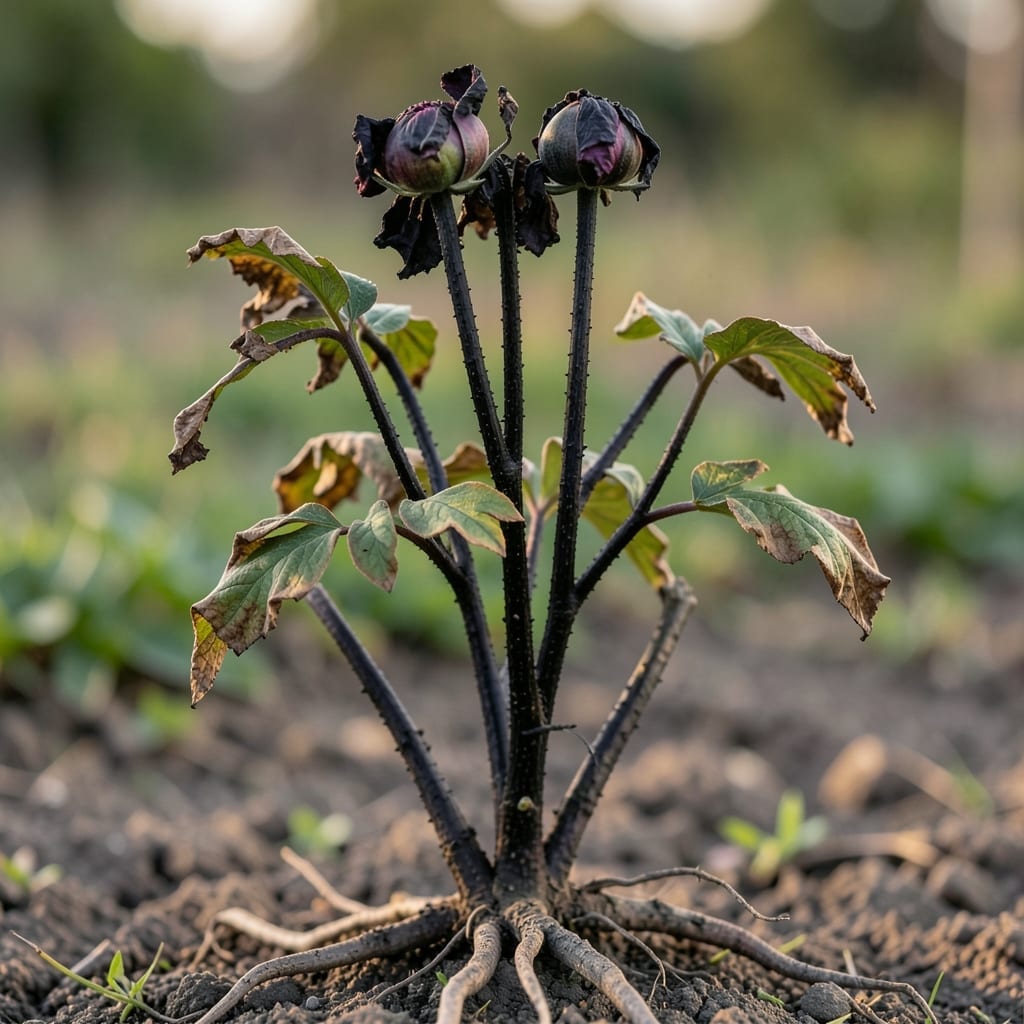
Dead peony roots often result from fungal diseases, overwatering, or poor drainage. Symptoms include blackened, mushy stems and foul odors. Remove affected roots and improve soil conditions to revive the plant.
I’ve seen this happen most often in heavy clay soils where water pools around the crown. 🔥 Fungal pathogens like Phytophthora thrive in these soggy conditions, while root suffocation from compacted earth cuts off oxygen supply. The blackened stems are a telltale sign of advanced rot, often accompanied by a sour smell that lingers even after removing the plant.
💡 In This Article
Peony roots suffocate when soil stays waterlogged for 48+ hours, cutting off oxygen. The anaerobic conditions trigger root cell death, turning healthy white roots into dark, mushy tissue. This process starts at the root tips, which are most vulnerable to oxygen deprivation.
Phytophthora and Pythium fungi exploit these wet conditions, releasing enzymes that break down plant cell walls. These pathogens spread rapidly in temperatures between 60-75°F, which is why spring and fall are peak infection periods. 🔥
Soil compaction worsens the problem by reducing pore space. In clay-heavy soils, compaction can reduce oxygen diffusion by up to 80%, creating a perfect storm for root rot. Even well-draining soils can become compacted over time from foot traffic or heavy rainfall.
Nutrient deficiencies, particularly calcium, make peonies more susceptible. Calcium strengthens cell walls, and without it, roots become soft and prone to infection. A soil test revealing pH above 7.5 often indicates calcium deficiency, as alkaline conditions lock up this essential nutrient.
Visual signs progress from yellowing leaves to wilting stems. The most distinctive symptom is the foul odor—caused by sulfur compounds released as roots decompose. This smell is often the first noticeable sign before any visible decay appears above soil.
Prevention starts with soil structure. Amending with 50% compost improves drainage while maintaining moisture retention. Raised beds 12-18 inches high can solve persistent drainage issues in heavy clay areas. ✨
Look for blackened, mushy roots and stems with a foul odor. Yellowing leaves and wilting stems above ground are also red flags. The sulfur-like smell is often the first sign of trouble.
Overwatering, poor drainage, and fungal infections like Phytophthora are the main culprits. Compacted soil and nutrient deficiencies, especially calcium, can also contribute to root death.
If caught early, yes! Remove affected roots, soak healthy ones in a 1:10 hydrogen peroxide solution for 10 minutes, and repot in fresh, well-draining soil. Avoid heavy watering afterward.
Improve drainage by amending soil with 50% compost or raising beds 6-8 inches. Apply neem oil spray every 2 weeks during the growing season for natural protection.