
Beautiful Plants For Your Interior
Beautiful Plants For Your Interior
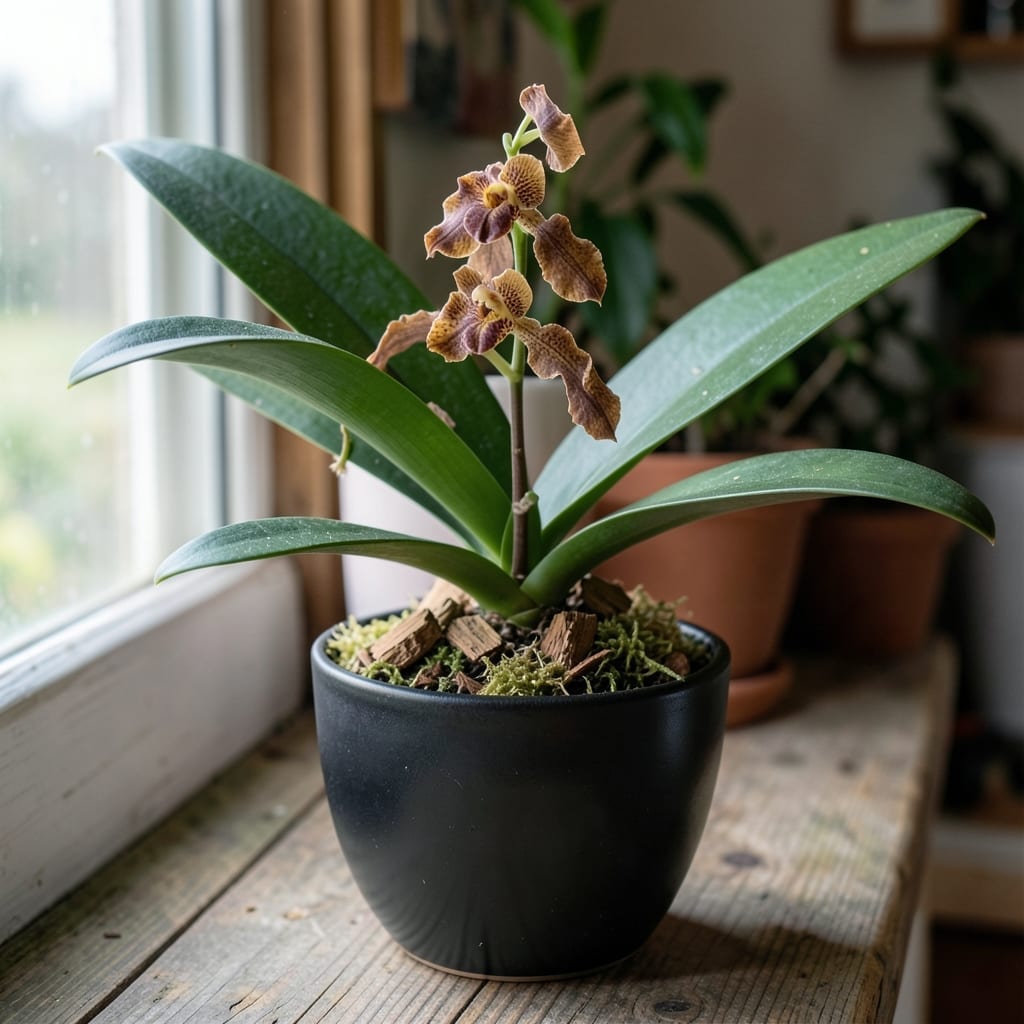
That sinking feeling when your orchid’s blooms suddenly wilt. I’ve been there—staring at limp petals, wondering what went wrong and if it’s too late to fix.
Turns out, dead flowers often signal fixable issues like overwatering, poor light, or ignored roots. The good news? Orchids are tougher than they look, and recovery starts with a few simple adjustments.
You’ll spot early warning signs faster once you know what to look for. Yellowing leaves, mushy roots, or buds that never open are all clues your plant is struggling.
With the right care, most orchids bounce back and rebloom even more spectacularly the next season. Here’s how to nurse yours back to health.
Orchid flowers can wilt prematurely due to several environmental and care-related factors. Understanding these causes helps prevent dead orchid flowers and keeps your plant thriving. Below are the most common reasons, explained scientifically and actionably.
Orchids, especially Phalaenopsis and Cattleya varieties, thrive in stable temperatures between 65–80°F (18–27°C). Sudden drops below 50°F (10°C) or spikes above 90°F (32°C) disrupt cellular function, causing buds to blast (abort) or flowers to wither. Action: Keep orchids away from drafts, heaters, or direct midday sun. Use a thermometer to monitor their environment.
Overwatering leads to root rot, which suffocates the plant and cuts off nutrient flow to flowers. Underwatering, on the other hand, causes dehydration and premature flower drop. Orchids need water only when the top inch of substrate is dry. Action: Water deeply, then allow excess to drain completely. Use a well-draining mix like bark or sphagnum moss.
Orchids are photophilic—they require bright, indirect light (10–15 foot-candles) to sustain blooms. Low light weakens the plant, forcing it to prioritize survival over flowering. Action: Place orchids near an east- or north-facing window. If natural light is limited, supplement with LED grow lights (12–14 hours/day).
Flowers rely on phosphorus (P) and potassium (K) for energy and resilience. A lack of these nutrients, often due to infrequent fertilizing or poor substrate, results in weak or dying blooms. Action: Fertilize weekly with a balanced orchid fertilizer (20-20-20) diluted to half-strength, or switch to a bloom-boosting formula (10-30-20) during flowering season.
Sap-sucking pests like aphids, scale, or spider mites drain the plant’s resources, leading to stunted or dead flowers. Action: Inspect leaves and stems weekly. Treat infestations with neem oil or insecticidal soap, and isolate affected plants to prevent spread.
If your orchid’s blooms have wilted, don’t lose hope—many causes are fixable with the right care. Below are targeted solutions for common issues, along with prevention tips to keep your plant thriving.
Fix: Remove the orchid from its pot and trim any black, mushy roots with sterilized scissors. Repot in fresh, chunky orchid mix (bark-based) and a pot with drainage holes. Water only when the mix feels dry, about once a week.
Prevent: Use a clear pot to monitor root health, and always empty the saucer after watering. 💡 Pro tip: Stick your finger an inch into the mix—if it’s damp, wait to water.
Fix: Move your orchid to a spot with bright, indirect light (east or west-facing windows are ideal). If leaves are sunburnt (yellow or brown patches), shield them with a sheer curtain.
Prevent: Rotate the pot monthly for even exposure, and avoid direct midday sun, which can scorch blooms.
Fix: Keep orchids in a stable environment (60–80°F during the day, 55–65°F at night). If exposed to cold drafts or heat sources, relocate to a consistent spot away from vents, radiators, or AC units.
Prevent: Avoid sudden temperature swings. 💡 Pro tip: A 10–15°F drop at night can actually encourage reblooming!
Fix: Use a balanced, water-soluble orchid fertilizer (20-20-20) diluted to half strength. Feed every 2–4 weeks during active growth, but flush the mix with plain water monthly to prevent salt buildup.
Prevent: Switch to a high-phosphorus formula (10-30-20) in fall to boost flower production. Never fertilize a bone-dry plant—always water first.
Fix: Wipe leaves with a damp cloth to remove pests like scale or mealybugs. For stubborn infestations, use neem oil or insecticidal soap. For fungal/bacterial spots, remove affected areas and treat with a copper-based fungicide.
Prevent: Isolate new plants for 2–3 weeks before introducing them to others. Improve air circulation with a small fan on low.
Yes, trim spent blooms with clean scissors to redirect energy to new growth. Cut just above a node or where the stem meets the main spike.
Water only when the top 1 inch of mix feels dry, typically every 7-10 days. Overwatering is a leading cause of root rot.
With proper care, most orchids rebloom within 8-12 months. Ensure bright, indirect light and consistent temperatures.
Overwatering is the top killer. Orchids thrive on neglect—let the roots dry between waterings and use a well-draining mix.