
Beautiful Plants For Your Interior
Beautiful Plants For Your Interior
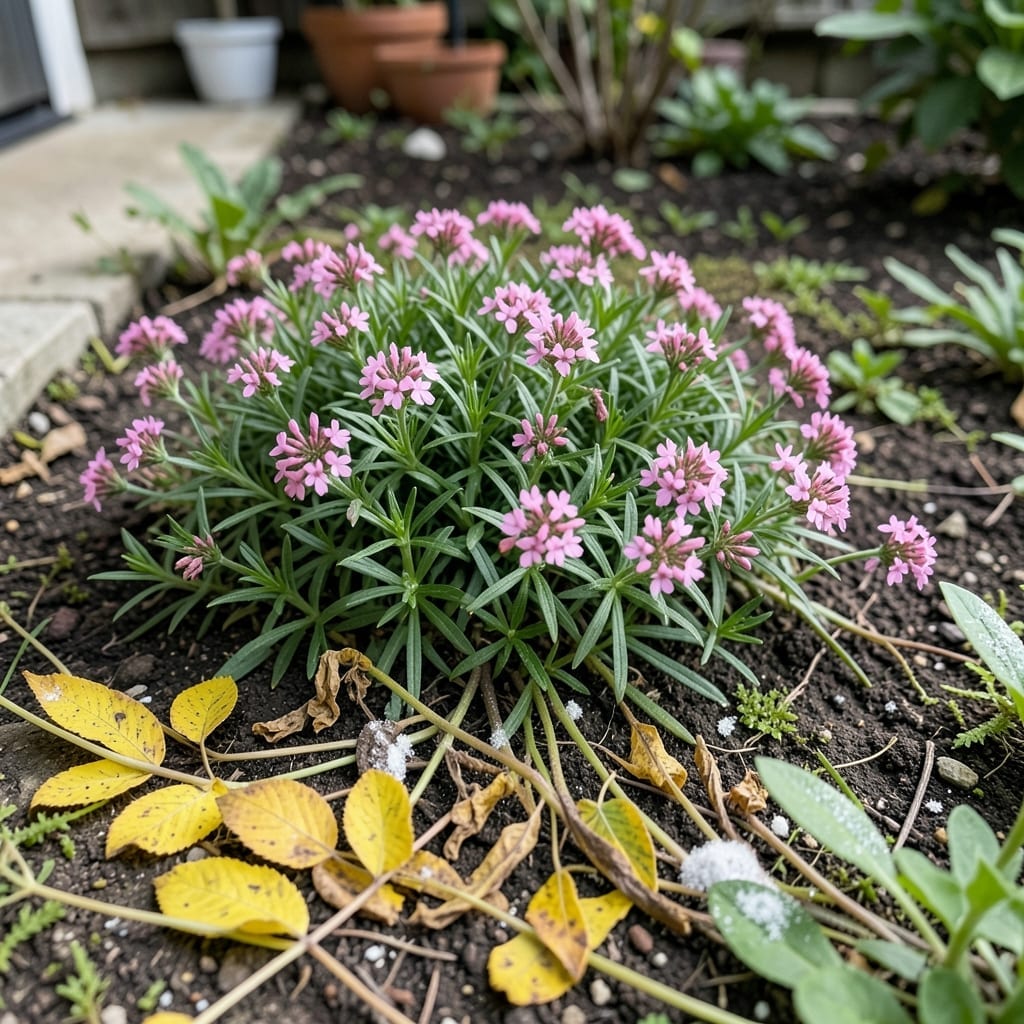
Creeping phlox is supposed to be the easy ground cover, but mine taught me otherwise. Wilting leaves, yellow patches, and mystery holes appeared overnight.
Turns out, most issues stem from just three things: too much moisture, not enough air flow, or uninvited pests. I fixed my patch by adjusting watering and adding space between plants.
Now, my phlox rebounds within a week of catching problems early. The key is knowing what to look for before the damage spreads.
Works for new plantings and established beds alike. Here’s how to spot trouble before it starts.
Understanding why creeping phlox struggles is the first step to reviving its vibrant blooms. Below are the most frequent culprits, explained with actionable insights.
Creeping phlox thrives in well-draining, slightly acidic soil (pH 6.0–7.0). Heavy clay or compacted soil restricts root growth, leading to stunted plants or yellowing leaves. Phlox subulata also detests waterlogged roots, which invite fungal diseases like root rot. Test soil with a kit and amend with compost or sand to improve drainage.
This sun-loving perennial needs 6+ hours of direct sunlight daily. Too much shade causes leggy growth, sparse flowering, or pale foliage. If your phlox looks weak, assess its location—southern or western exposures are ideal. In hot climates, afternoon shade can prevent scorching, but avoid deep shade entirely.
Inconsistent moisture is a top trigger for creeping phlox problems. Overwatering suffocates roots and promotes fungal diseases (e.g., powdery mildew), while underwatering leads to crispy edges and wilting. Aim for 1 inch of water weekly, including rainfall, and water at the base to keep foliage dry.
Spider mites, aphids, and powdery mildew (a white fungal coating) often target stressed phlox. Poor air circulation and humid conditions worsen these issues. Prune crowded stems, avoid overhead watering, and apply neem oil or insecticidal soap at the first sign of pests. Resistant varieties like ‘Emerald Blue’ can help prevent recurring problems.
Creeping phlox is a hardy ground cover, but even the toughest plants can run into trouble. Here’s how to tackle the most common issues and keep your garden thriving.
If your creeping phlox has yellowing leaves, it’s often a sign of overwatering or poor drainage. Phlox prefers well-draining soil, so start by checking the soil moisture. If it’s soggy, reduce watering and amend the soil with compost or sand to improve drainage. For potted phlox, ensure the container has drainage holes. Prevention tip: Water only when the top inch of soil is dry, and avoid letting the plant sit in standing water. 💡
Spider mites and aphids love to snack on creeping phlox. For a mild infestation, spray the plant with a mixture of water and insecticidal soap to dislodge pests. For stubborn bugs, introduce beneficial insects like ladybugs or use neem oil as a natural deterrent. Prevention tip: Keep the garden clean and free of debris where pests can hide. Regularly inspect the undersides of leaves for early signs of trouble. ✨
Powdery mildew appears as a white, powdery coating on leaves, usually due to high humidity or poor air circulation. Prune nearby plants to improve airflow, and water at the base of the plant to keep leaves dry. If mildew persists, apply a baking soda solution (1 teaspoon baking soda to 1 quart of water) or a fungicide. Prevention tip: Space plants properly and avoid overhead watering to reduce humidity around the foliage. 🌡️
If your creeping phlox looks sparse or leggy, it may need more sunlight or nutrients. Trim back overgrown stems to encourage bushier growth, and apply a balanced, slow-release fertilizer in early spring. Prevention tip: Plant in a spot with full sun to partial shade and fertilize lightly every 4-6 weeks during the growing season. 🎯
Yellow leaves usually mean overwatering or poor drainage. Check soil moisture and amend with compost or sand. Ensure containers have drainage holes to prevent root rot.
That’s powdery mildew from humidity or poor airflow. Prune crowded stems, water at the base, and apply a baking soda solution or fungicide. Avoid overhead watering.
It tolerates partial shade but thrives in 6+ hours of sunlight. Too much shade causes leggy growth and sparse blooms. In hot climates, afternoon shade prevents scorching.
Keep the garden clean, inspect leaves regularly, and use neem oil or insecticidal soap at the first sign of pests. Introduce beneficial insects like ladybugs for natural control.