
Beautiful Plants For Your Interior
Beautiful Plants For Your Interior
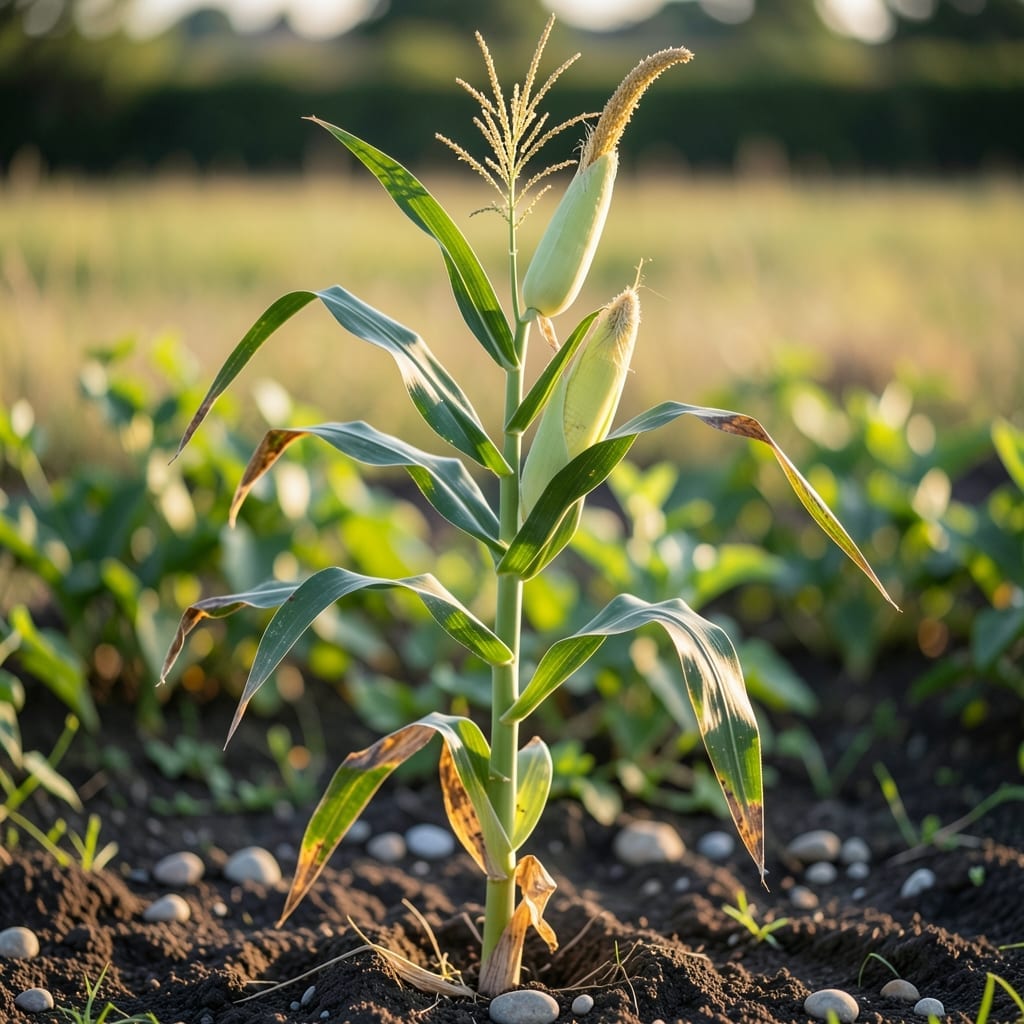
That brown streak on your corn plant stalk isn’t just ugly—it’s a warning sign. I’ve seen this exact problem wipe out entire patches when ignored, but the good news is it’s usually fixable if you act fast.
Most times, it’s not disease or pests causing the issue. Nutrient imbalance hits corn plants hard, especially nitrogen or potassium shortages. Yellowing leaves often pair with those brown stalks, and the whole plant starts looking tired within days.
The revival starts with a soil test—5 minutes of work that tells you exactly what’s missing. From there, a targeted fertilizer application usually brings plants back from the brink within 2 weeks.
Prevent it next season with consistent feeding and proper watering. Brown stalks don’t have to be the end of the story.
A brown stalk on your corn plant is a red flag—it’s the plant’s way of saying something’s wrong. Here are the most common causes, broken down for clarity:
Corn plants are heavy feeders, and a lack of nitrogen, potassium, or phosphorus can lead to brown, weakened stalks. Nitrogen deficiency often starts with yellowing leaves before the stalk turns brown, while potassium shortages cause brown edges on leaves and stalks. A soil test can confirm imbalances, and a balanced fertilizer (e.g., 10-10-10) can help restore health.
Both overwatering and underwatering can stress corn plants, leading to stalk browning. Overwatering suffocates roots, reducing nutrient uptake, while drought conditions prevent the plant from absorbing water and minerals. Ensure consistent moisture—1-1.5 inches of water per week—and use well-draining soil to avoid root rot.
Stalk-boring insects like European corn borers or fungal diseases such as stalk rot can cause internal damage, leading to browning and weakening. Check for entry holes or soft, discolored stalks. Preventative measures include crop rotation, resistant varieties, and organic pesticides like neem oil.
Extreme heat, cold snaps, or excessive wind can stress corn plants, causing stalks to turn brown. Heat stress often leads to leaf rolling before stalk discoloration, while frost damage appears as blackened or mushy tissue. Mulching and windbreaks can mitigate environmental stressors.
Here’s how to tackle a brown corn plant stalk based on the root cause, with simple fixes and prevention tips to keep your plant thriving.
If dry soil is the culprit, give your corn plant a deep watering until moisture drains from the pot’s base. Prevention tip: Check soil moisture weekly—stick your finger 1-2 inches deep. If dry, water thoroughly. 💡 Pro tip: Use a moisture meter for accuracy.
Stop watering immediately and let the soil dry out. Trim any mushy, brown stalks with clean scissors. Repot the plant in fresh, well-draining soil and a pot with drainage holes. Prevention tip: Water only when the top inch of soil is dry, and ensure pots have drainage holes to avoid root rot.
Move your corn plant to a spot with bright, indirect light. If leaves show scorched tips, trim them to redirect energy to healthy growth. Prevention tip: Rotate the plant occasionally for even light exposure, and use sheer curtains to filter harsh sunlight.
Use a balanced, water-soluble fertilizer (10-10-10 or 20-20-20) every 4-6 weeks during the growing season. Yellowing stalks often signal nitrogen deficiency—opt for a nitrogen-rich formula. Prevention tip: Dilute fertilizer to half-strength to avoid burning roots. ✨ Pro tip: Flush the soil with water every few months to remove salt buildup.
Wipe leaves with a neem oil solution or insecticidal soap to combat pests like spider mites. For fungal issues, remove affected stalks and improve air circulation. Prevention tip: Inspect plants regularly and isolate new ones for a week to prevent infestations.
Check the soil 2 inches down. If bone dry, it needs water. If soggy or smelly, it’s overwatered. Brown stalks with dry soil mean underwatering, while mushy stalks indicate too much water.
Unfortunately, brown tissue won’t recover. Trim the damaged stalk and focus on improving conditions for new growth. Healthy new stalks will emerge with proper care within 2-3 weeks.
A balanced liquid fertilizer like 10-10-10 works well. Apply at half strength every 2 weeks until the plant recovers. Avoid high-nitrogen fertilizers if leaves are yellowing.
Yes, if at least 30% of the plant remains green. Remove all brown stalks, address the root cause, and provide optimal conditions. Most plants bounce back within a month.