
Beautiful Plants For Your Interior
Beautiful Plants For Your Interior
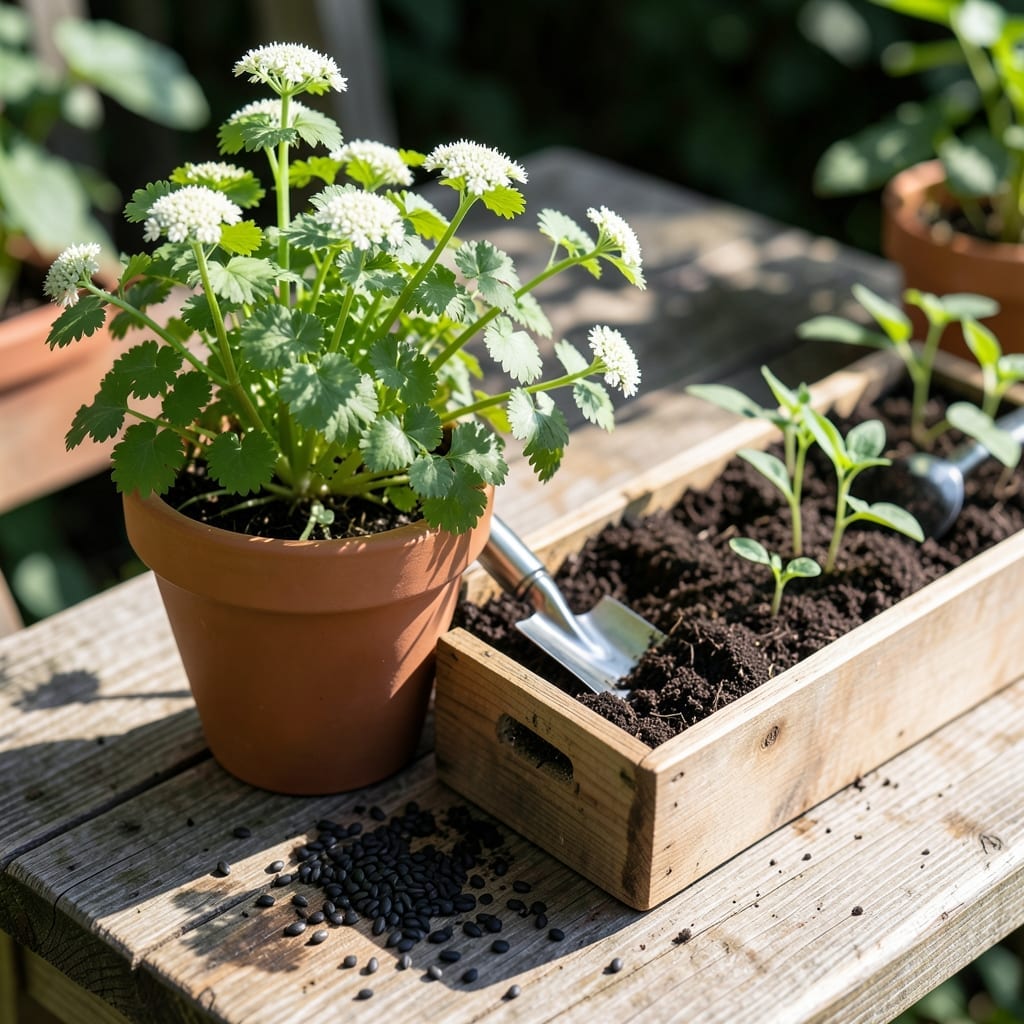
I learned the hard way that coriander fails in heavy soil. Light, well-draining earth makes all the difference for these delicate herbs.
Give them 6-8 hours of sun and consistent moisture, and you’ll have fragrant leaves ready for harvest within 3-4 weeks. The key is starting with the right foundation.
📚 In This Guide
Here’s the method I trust for vibrant, flavorful coriander every time.
Choose a location with full sun to partial shade, as coriander thrives with 4-6 hours of direct sunlight daily. I always look for a spot with well-draining soil—this prevents waterlogging, which can rot the roots. If your garden soil is heavy clay, consider amending it with compost or planting in raised beds.
Coriander prefers a soil pH between 6.2 and 6.8. Test your soil with a kit if you’re unsure. This herb doesn’t tolerate soggy conditions, so avoid low-lying areas where water pools after rain. A slight slope or elevated bed can make a big difference.
Loosen the soil to a depth of 12-15 inches using a garden fork or tiller. This encourages deep root growth and improves drainage. I like to mix in 1-2 inches of compost or well-rotted manure to boost fertility without overpowering the delicate flavor of the herbs.
Remove any weeds or debris that might compete with your coriander for nutrients or space. Break up large clumps of soil to create a fine, crumbly texture. This makes it easier for the seeds to establish contact with the soil and germinate evenly.
Plant coriander seeds ½ inch deep and space them 6-8 inches apart in rows that are 12-18 inches apart. This gives each plant enough room to grow without crowding. I sow seeds directly in the garden because coriander doesn’t transplant well—its taproot is sensitive to disturbance.
Water the area gently but thoroughly after planting to settle the soil around the seeds. You’ll want to keep the soil consistently moist until germination, which typically takes 7-10 days. Avoid overhead watering, as it can dislodge seeds or encourage fungal growth.
Once seedlings emerge, thin them to the recommended spacing if they’re too crowded. Coriander grows quickly, so keep the soil evenly moist but not waterlogged. I water deeply once or twice a week, depending on rainfall, to encourage strong root development.
Monitor for signs of bolting, which happens when the plant starts producing flowers and seeds. Coriander bolts in hot weather, so if temperatures rise above 85°F, provide afternoon shade to extend the harvest. Mulching with a light layer of straw can help keep the soil cool and retain moisture.
Begin harvesting leaves once the plants are 4-6 inches tall, usually 3-4 weeks after sowing. I snip the outer leaves first, leaving the inner growth to continue developing. This method allows for a continuous harvest throughout the growing season.
For seeds, wait until the plant produces flower heads that turn brown and dry. Cut the entire plant and hang it upside down in a paper bag to collect the seeds as they fall. Store seeds in an airtight container in a cool, dark place for future planting.
Small adjustments in your approach can make a big difference in your harvest.
Sunlight Strategy: Aim for the full 4-6 hours of direct sunlight daily mentioned in Step 1, but don’t stress if your garden only gets partial sun. I’ve found coriander tolerates morning shade well, especially in hotter climates. Just avoid deep shade, as this causes leggy growth with poor leaf development.
Soil Preparation Insight: When loosening soil to that 12-15 inch depth in Step 2, pay special attention to breaking up any compacted layers. I learned the hard way that coriander roots will hit that hard pan and stop growing, resulting in stunted plants. The compost addition also helps retain moisture without waterlogging.
Planting Depth Matters: Stick to that ½ inch depth for seeds in Step 3—any deeper and they struggle to emerge, any shallower and they dry out. Confession: I once planted at 1 inch and had patchy germination. The spacing guidelines of 6-8 inches apart in rows 12-18 inches apart also prevent overcrowding that leads to disease.
Temperature Watch: That 85°F threshold in Step 4 is critical. I start monitoring for bolting as soon as daytime temps consistently hit the low 80s. Afternoon shade isn’t just helpful—it’s often the difference between a month-long harvest and a two-week sprint to seed production.
Plant coriander in early spring or fall when temperatures are cool (50–85°F). Avoid hot summers, as it bolts quickly in heat. For a continuous harvest, sow seeds every 2–3 weeks.
Coriander thrives in full sun (6+ hours daily) but tolerates partial shade in warmer climates. Too little light can lead to leggy growth, while too much heat may cause early bolting.
Yes! Use a well-draining pot (8–12 inches deep) and sandy loam soil. Ensure the container has drainage holes to prevent root rot. Potted coriander may need more frequent watering.
Yellowing leaves often signal overwatering, poor drainage, or nutrient deficiencies. Check soil moisture (let it dry slightly between waterings) and ensure the pot or bed has good drainage.
If you’re out of coriander, try parsley, cilantro (its leaves), or caraway seeds for similar flavors. Note that cilantro and coriander come from the same plant but have distinct tastes.