
Beautiful Plants For Your Interior
Beautiful Plants For Your Interior
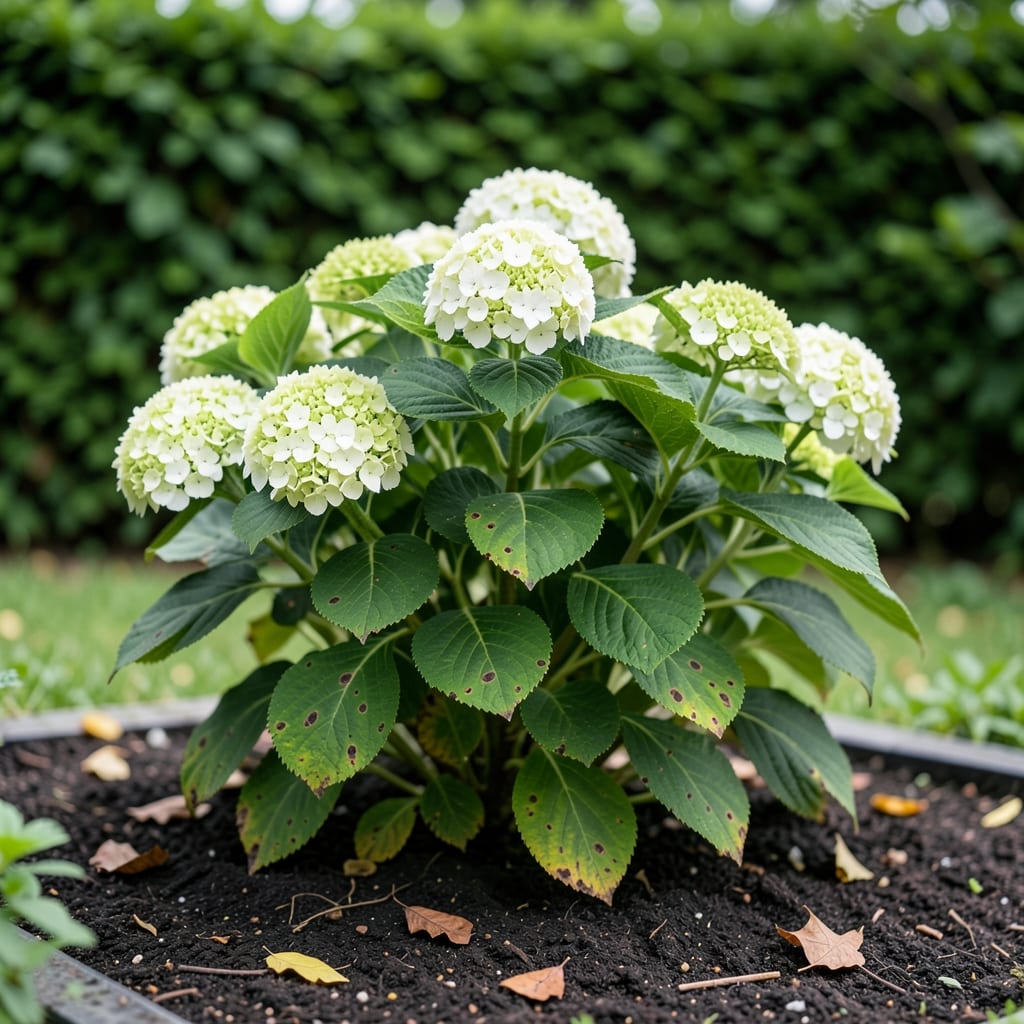
Those purple-brown spots on your hydrangea leaves aren’t sunburn—they’re cercospora. I first noticed them last July, thinking my plants were done for. Turns out, early action saves the season.
This fungal disease thrives in wet, warm conditions, spreading fast if ignored. The good news? It’s treatable without harsh chemicals. Simple changes in watering and airflow can stop it in its tracks.
You’ll see new growth return to vibrant green within weeks of starting treatment. The key is catching it before spots merge into dead patches. Regular inspection makes all the difference.
Works for all hydrangea varieties, from bigleaf to oakleaf. Here’s how to protect your plants before it’s too late.
Cercospora leaf spot in hydrangeas is primarily driven by environmental and biological factors. Understanding these causes helps you prevent and manage the disease effectively.
The fungus Cercospora thrives in wet, humid conditions. Overhead watering, poor drainage, or prolonged rain can create the perfect environment for spores to germinate and infect leaves. Action: Water at the base of the plant and ensure good air circulation.
Cercospora spores grow rapidly in temperatures between 75–85°F (24–29°C). Combined with humidity, this accelerates infection. Action: Avoid planting hydrangeas in overly warm, stagnant areas.
Dense foliage or crowded plantings trap moisture, encouraging fungal growth. Action: Prune hydrangeas to improve airflow and reduce leaf wetness.
The fungus overwinters in fallen leaves and plant debris. If not removed, spores can re-infect new growth. Action: Clean up and dispose of infected leaves in fall to break the cycle.
Tackling Cercospora leaf spot on your hydrangeas starts with quick action and consistent care. Below are targeted solutions for each cause, paired with prevention tips to keep your plants thriving. 🌿
Prune overcrowded branches to allow air to flow freely between leaves. Space hydrangeas at least 3–4 feet apart when planting. Prevention tip: 💡 Thin out dense foliage in early spring to reduce humidity buildup, which fungi love.
Water at the base of the plant using a soaker hose or drip system to keep leaves dry. Avoid late-evening watering, as damp foliage overnight invites spores. Prevention tip: 💡 Water in the early morning so leaves dry quickly in the sun.
Rake up and discard fallen leaves and prune affected stems immediately. Do not compost diseased material—burn it or seal it in a trash bag. Prevention tip: 💡 Clean up leaf litter weekly during wet seasons to break the fungus’s life cycle.
Apply a balanced, organic fertilizer to strengthen plant health. Avoid high-nitrogen feeds, which promote tender growth that’s more susceptible. Prevention tip: 💡 Mulch with shredded bark to improve soil health and reduce splashing spores.
Spray with neem oil, copper fungicide, or baking soda solution (1 tbsp baking soda + 1 tsp dish soap + 1 gallon water) every 7–10 days during active outbreaks. Prevention tip: ✨ Rotate treatments to prevent fungal resistance.
Look for small purple-brown spots on lower leaves first. They’ll grow into larger circular patches with tan centers and dark edges. Check new growth weekly during warm, wet weather.
Yes! Remove infected leaves immediately and apply organic fungicide. Improve airflow by pruning crowded branches. Most plants recover fully with consistent care.
Water at the base early in the morning. This allows leaves to dry quickly in sunlight. Avoid evening watering when leaves stay damp overnight.
It can spread to nearby hydrangeas but rarely affects other plant types. Clean up fallen leaves and avoid overhead watering to contain it.