
Beautiful Plants For Your Interior
Beautiful Plants For Your Interior
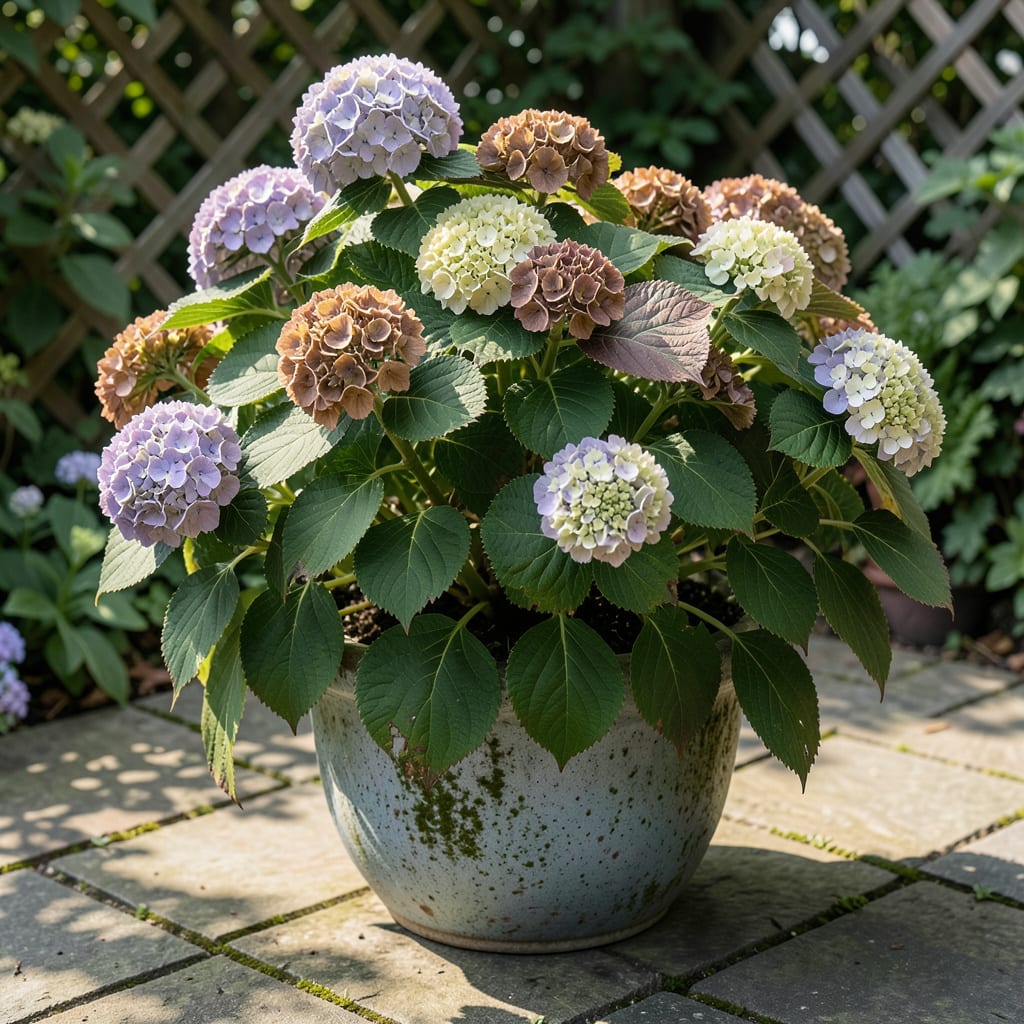
Brown hydrangea leaves hit me hard last summer—my once lush bushes looked like crispy ghosts. Turns out, it’s rarely just one culprit.
Usually it’s water stress, either too much or too little, but nutrient issues and fungal problems can mimic the same symptoms. I learned the hard way that matching the fix to the actual cause makes all the difference.
With the right adjustments, you’ll see new growth returning in 2-3 weeks. The key is catching it early before the damage spreads to the whole plant.
Works for bigleaf, oakleaf, or panicle hydrangeas—just adjust the specifics to your variety. Here’s how to diagnose and fix it.
Hydrangea leaves turning brown can signal underlying issues that disrupt their health. Here are the most common causes, explained scientifically:
Excessive heat or direct sunlight can scorch hydrangea leaves, leading to brown, crispy edges. Hydrangeas prefer partial shade, and their shallow root systems struggle to absorb water fast enough in high temperatures. This causes transpiration stress, where leaves lose moisture faster than they can replenish it.
Inconsistent watering is a major culprit. Underwatering leads to dry, brown leaves due to cellular dehydration. Conversely, overwatering suffocates roots, promoting fungal growth (e.g., Phytophthora) that blocks water uptake, also causing browning.
Fungi like Cercospora or Anthracnose thrive in damp conditions, creating brown spots with yellow halos. These pathogens infect leaves, disrupting photosynthesis and leading to necrosis (tissue death). Poor air circulation exacerbates the issue.
Hydrangeas need slightly acidic soil (pH 5.2–6.2). Alkaline soil (pH >7) can cause iron chlorosis, where leaves turn yellow then brown due to iron deficiency. Conversely, salt buildup from fertilizers or tap water can burn roots, manifesting as brown foliage.
Pests like spider mites or aphids suck sap from leaves, causing stippling, yellowing, and browning. Their feeding disrupts nutrient flow, while some pests (e.g., Japanese beetles) chew leaves directly, leaving brown, ragged edges.
Reviving your hydrangea’s lush green foliage is easier than you think. Below are targeted fixes for the most common causes, plus prevention tips to keep your plant thriving.
Fix: Check soil moisture 1–2 inches deep. If bone-dry, water deeply until it drains from the bottom. If soggy, let the soil dry out and improve drainage by adding compost or perlite. For potted hydrangeas, ensure the container has drainage holes.
Prevention: Water when the top inch of soil feels dry. Use a moisture meter for precision, and mulch around the base to retain even moisture. 💡
Fix: Relocate container-grown hydrangeas to partial shade (4–6 hours of morning sun). For in-ground plants, create shade with a cloth or plant taller companions nearby. Trim crispy leaves to redirect energy to healthy growth.
Prevention: Site hydrangeas where they get dappled sunlight, especially in hot climates. Varieties like Hydrangea macrophylla prefer shade. ✨
Fix: Shield plants from extreme temperatures. Use frost cloth in late fall/early spring, and mist leaves during heatwaves to cool them. Prune damaged foliage to encourage new growth.
Prevention: Plant hydrangeas in sheltered spots, away from wind and harsh afternoon sun. Apply a 2–3 inch layer of mulch to insulate roots. 🌡️
Fix: Test your soil (kits are inexpensive). For iron deficiency (yellowing with green veins), apply chelated iron. For nitrogen deficiency (uniform yellowing), use a balanced fertilizer (10-10-10). Avoid over-fertilizing, which can burn roots.
Prevention: Feed hydrangeas with a slow-release fertilizer in early spring and mid-summer. Amend soil with organic matter annually. 🎯
Fix: Inspect leaves for pests like spider mites or aphids—blast them off with water or use insecticidal soap. For fungal issues (e.g., leaf spot), remove affected foliage and apply a fungicide. Prune to improve airflow.
Prevention: Keep the garden clean, avoid overhead watering, and space plants properly. Neem oil can deter pests naturally. ✨
Not always. While dry soil can cause crispy edges, overwatering or fungal issues often create similar symptoms. Check soil moisture 1-2 inches deep to confirm.
Hydrangeas prefer partial shade, and direct afternoon sun can scorch leaves in 1-2 days. Relocate or add shade cloth immediately.
Improve airflow by spacing plants 3-4 feet apart and water at the base. Remove affected leaves promptly and apply fungicide if needed.
Yes, trim brown leaves to redirect energy to healthy growth. Use clean shears and cut just above a leaf node.
