
Beautiful Plants For Your Interior
Beautiful Plants For Your Interior
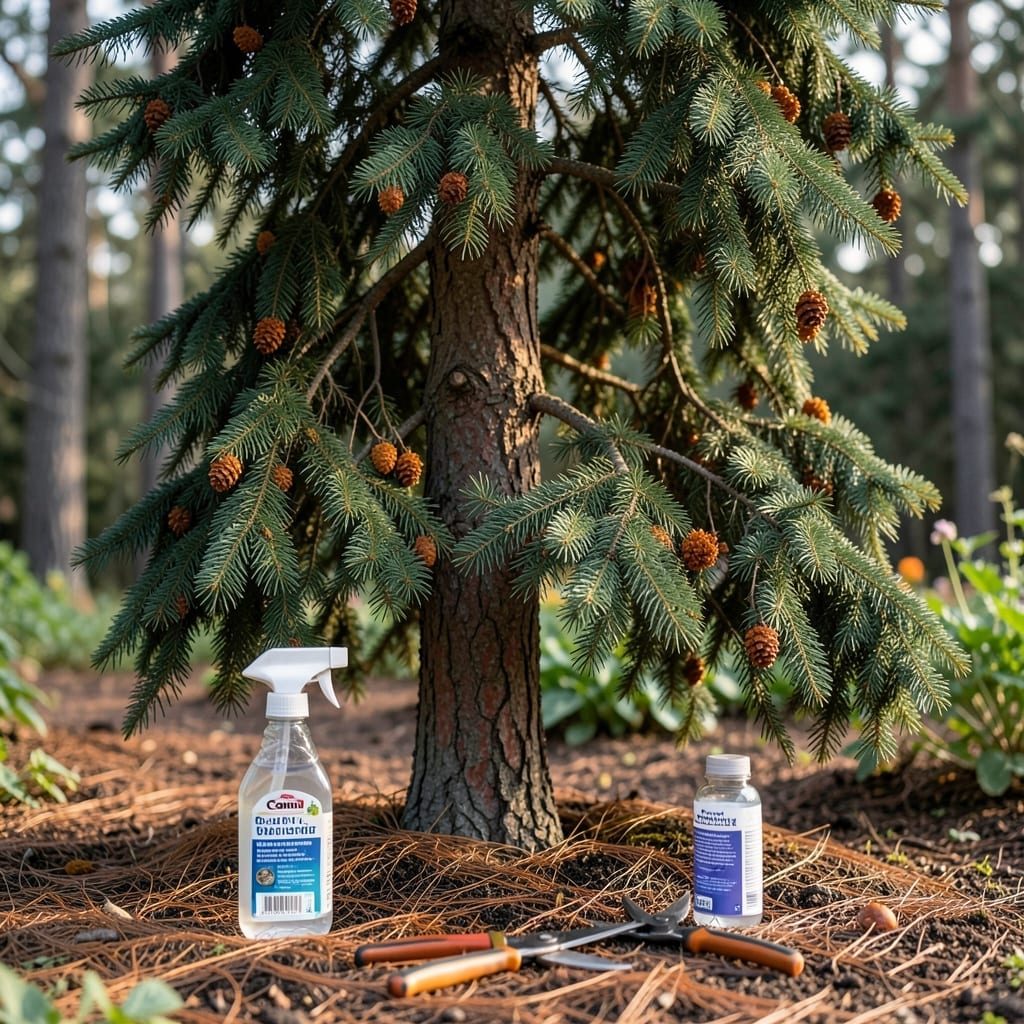
Remove and destroy infected plant parts immediately, then apply fungicides like copper-based sprays or neem oil. For severe cases, use systemic fungicides containing propiconazole or myclobutanil.
I tackle this fungus by disrupting its life cycle between cedar and hawthorn hosts. Early action prevents spores from overwintering and reinfecting next season. Proper timing with applications—especially in spring when new growth appears—is crucial for long-term control.
Sanitation plays a huge role too. I always clean up fallen leaves and debris around susceptible plants to eliminate hiding spots for spores. 🌟
💡 In This Article
The fungus Gymnosporangium globosum requires two host plants to complete its life cycle: cedars (like eastern red cedar) and hawthorns. It produces distinct galls on cedar branches that release spores in spring, which then travel up to 1 mile on wind currents to infect hawthorn leaves and fruit.
This alternating host relationship is why you’ll often see infections spread between nearby trees. 🔥
Wet, cool conditions (50-70°F) with 6+ hours of continuous moisture trigger spore germination. Hawthorn leaves develop yellow-orange spots that eventually form tubular structures, while cedar galls swell and exude orange, gelatinous horns during wet weather. These symptoms don’t just look unsightly—they weaken plants by reducing photosynthesis and fruit production. ✨
Left untreated, repeated infections can stunt growth and even kill young or stressed trees. The fungus overwinters in cedar galls, ready to release spores the following spring. This is why breaking the cycle by removing one host type (when possible) or timing fungicide applications to coincide with spore release periods is so effective. 🌟
What most gardeners don’t realize is that cedar hawthorn rust can also infect apples, crabapples, and serviceberries—all members of the Rosaceae family. The same spores that damage hawthorns will happily attack these related plants, making a diversified approach to rust management essential for orchards and landscapes. ⚡
The damage goes beyond aesthetics. Infected hawthorn fruits become deformed and may drop prematurely, while cedar branches can become girdled by the galls, leading to dieback. This dual-host relationship means the disease can persist in an area for years, bouncing between susceptible plants unless the cycle is interrupted. 💫
Start treatments in early spring as new growth appears, coinciding with cedar gall spore release. Reapply every 10-14 days during wet periods, especially after heavy rain.
Severe cases may require removing the tree to prevent spreading. For salvage attempts, prune all galls 6 inches below symptoms and apply systemic fungicides immediately.
Neem oil and copper-based sprays work well for mild cases. Apply neem weekly during active growth periods, and copper sprays every 7-10 days during wet seasons.
Remove all fallen leaves and debris in late winter. Clean pruning tools with 70% isopropyl alcohol between cuts to avoid spreading spores.
Repeated infections weaken plants but rarely kill mature trees. Young or stressed plants are most vulnerable. Breaking the disease cycle is key to long-term survival.