
Beautiful Plants For Your Interior
Beautiful Plants For Your Interior
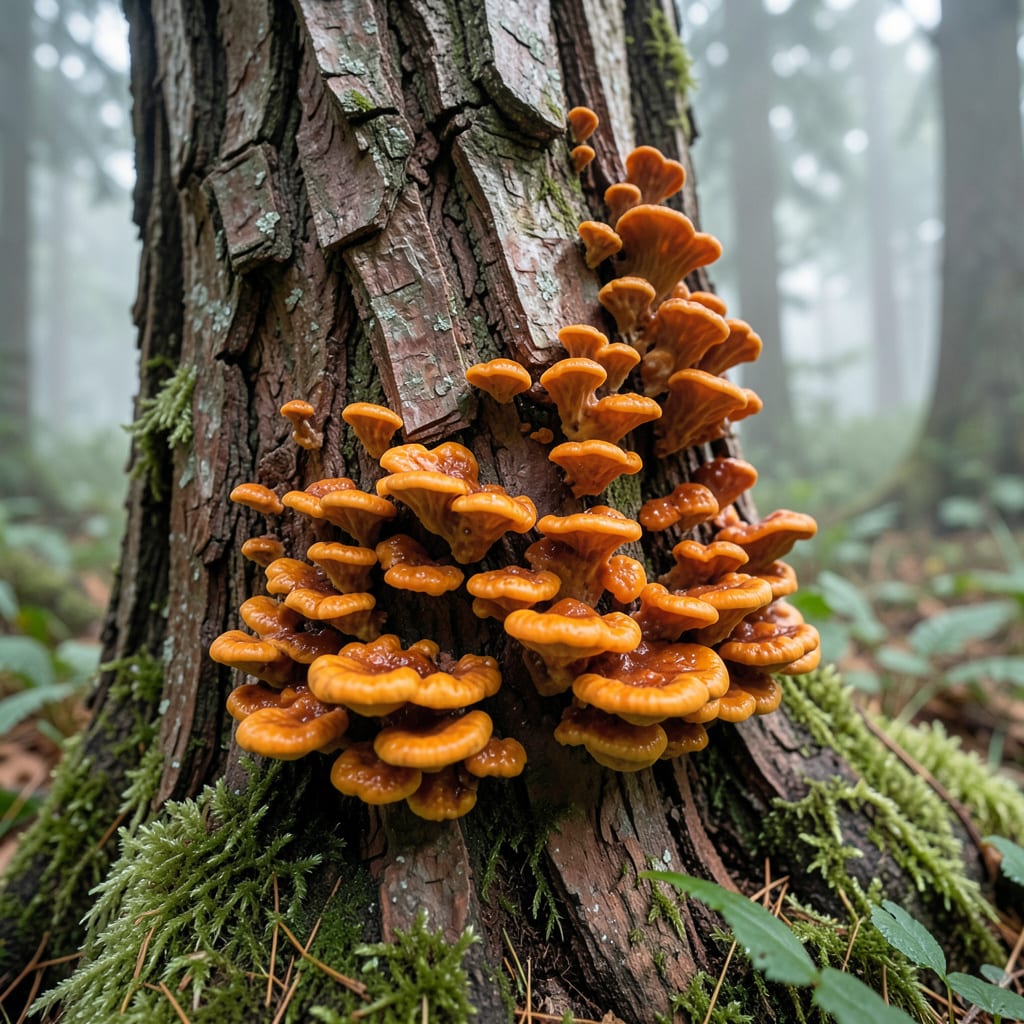
That orange stuff on your cedar isn’t decoration. I spotted the same rust-colored growth on my trees last spring and learned it’s a fungal infection that spreads fast in wet conditions.
It starts as small spots then explodes into powdery or gel-like masses. Left untreated, it weakens branches and can kill young cedars. The good news: early action stops it cold.
You’ve got options—pruning infected limbs, improving airflow, or applying fungicides. Natural fixes like neem oil work too, but timing matters.
By season’s end, you’ll see healthier foliage and trees that actually look like cedars again. Here’s how to tackle it right.
The vibrant orange fungus on your cedar tree is often a sign of underlying stress or environmental conditions. Below are the most common causes, explained in clear, scientific terms.
Cedar trees are susceptible to fungal infections like Gymnosporangium rust, which thrives in wet, humid conditions. This pathogen requires both cedar and a secondary host (often apple or hawthorn) to complete its life cycle. Spores spread via wind or rain, infecting cedar needles and producing bright orange galls or lesions.
Prolonged dampness—from heavy rainfall, poor drainage, or overhead irrigation—creates an ideal breeding ground for fungi. Cedar trees prefer well-drained soil, and waterlogged roots or consistently wet foliage weaken their defenses, making them more vulnerable to orange fungal growth.
Dense plantings or overgrown branches limit airflow, trapping moisture around the tree. Stagnant air prevents foliage from drying quickly, fostering fungal spores. Pruning to improve ventilation can significantly reduce the risk of orange fungus development.
Cool, wet springs followed by warm summers accelerate fungal spore germination. Cedar trees stressed by sudden temperature swings are less able to fend off infections, leading to visible orange fungal structures like jelly-like horns or powdery deposits.
Dealing with orange fungus on your cedar tree? Here’s how to tackle each cause with practical fixes and prevention tips to keep your tree healthy.
If dense foliage is trapping moisture, prune the tree to improve airflow. Remove crossing branches and thin out crowded areas. Prevention tip: Space cedar trees 6–10 feet apart when planting to allow natural ventilation. 🌬️
Reduce watering frequency and ensure the soil drains well. If the tree sits in a low spot, amend the soil with compost or create a small berm to improve drainage. Prevention tip: Water only when the top 1–2 inches of soil are dry. 💦
Remove fallen leaves, twigs, and other organic debris around the base of the tree. This eliminates hiding spots for fungal spores. Prevention tip: Rake and dispose of debris weekly during wet seasons. 🧹
For active infections, use a copper-based fungicide or neem oil, following label instructions. Apply in early spring or at the first sign of orange spots. Prevention tip: Treat preventatively in early spring if your cedar has a history of fungus. 🛡️
Strengthen the tree with proper fertilization and mulching. Use a balanced, slow-release fertilizer in early spring. Prevention tip: Mulch with 2–3 inches of organic material to retain moisture without suffocating roots. 🌱
Yes, some types like Gymnosporangium rust need alternate hosts like apple trees to complete their life cycle. Remove infected cedar parts to prevent spread.
Prune infected branches, improve airflow, and apply neem oil or baking soda solutions early. Consistency is key for natural methods.
Apply in early spring before spores spread or at the first sign of orange spots. Reapply every 7-10 days during wet weather.
Severely infected branches won’t recover. Remove them immediately and dispose far from your garden to prevent reinfection.
