
Beautiful Plants For Your Interior
Beautiful Plants For Your Interior
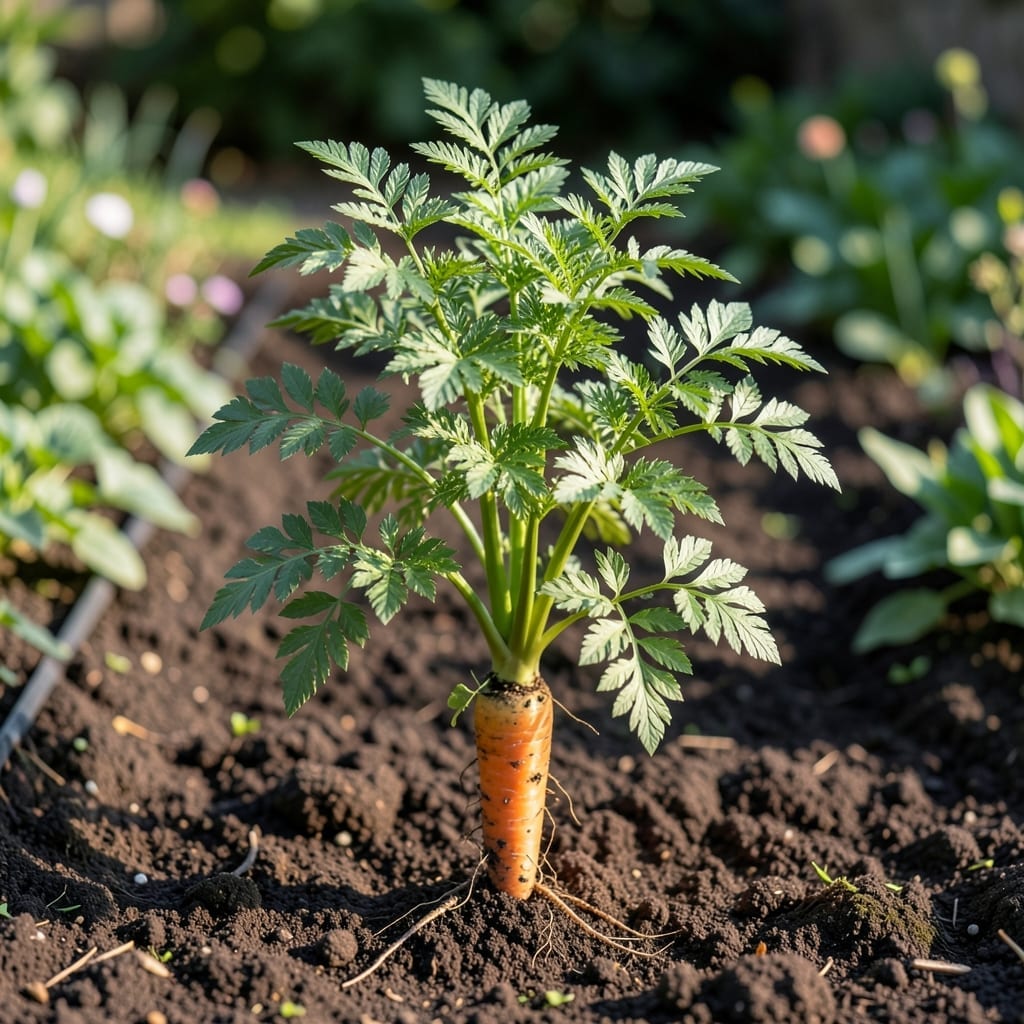
That orange growth in your garden isn’t a stray carrot. I found my first one last season—bright, carrot-shaped, and definitely not a vegetable. It’s a fungus, and while it looks odd, it’s usually harmless to plants.
Most appear after heavy rain or in mulched areas. They’re nature’s way of breaking down organic matter, but their sudden appearance can startle any gardener. I’ve seen them pop up overnight, only to disappear just as fast.
Removal is simple: just pluck and discard. No chemicals needed. If they keep coming back, check your mulch or soil for excess moisture—this fungus loves damp, undisturbed spots.
Don’t panic. These are more curiosity than crisis, and your garden will be fine. Here’s how to handle them with confidence.
The appearance of carrot-shaped or carrot-colored fungi in your garden or landscape is usually tied to specific environmental and biological factors. Here’s why it happens:
Fungi thrive in decaying organic material, such as wood chips, compost, or rotting roots. Carrot-looking fungi, like Mycenaceae or Clavaria species, often emerge when there’s an abundance of decomposing plant matter. This process is natural and helps break down dead material, but it can lead to unexpected fungal growth in mulched or wooded areas.
Prolonged dampness from overwatering, poor drainage, or heavy rainfall creates ideal conditions for fungal spores to germinate. Carrot-shaped fungi, such as Ramaria (coral fungi), often appear in consistently moist, shaded soils where moisture retention is high.
Many carrot-colored fungi, including Amanita species with orange hues, favor warm, humid environments. These conditions accelerate spore activation and mycelium growth, leading to visible fruiting bodies that resemble carrots in shape or color.
Disturbing soil—through tilling, construction, or landscaping—can expose dormant fungal spores to the surface. This triggers growth, especially in nutrient-rich soils. Carrot-looking fungi may appear in recently turned garden beds or areas where organic debris has been buried.
If you’ve spotted a carrot-looking fungus in your garden or home, act fast to prevent it from spreading. Below are targeted solutions based on common causes, along with prevention tips to keep your space fungus-free.
Fungi thrive in damp conditions. If excess water is the culprit:
💡 Prevention Tip: Water plants in the morning so the soil can dry during the day, and always use well-draining soil mixes.
Fungi often grow on rotting leaves, wood, or compost. To eliminate this:
💡 Prevention Tip: Avoid leaving organic waste in garden beds, and store compost away from plants.
If the fungus is in the soil, it can spread quickly. Try these steps:
💡 Prevention Tip: Rotate crops annually to prevent soil-borne fungi from taking hold.
If the fungus appears indoors (e.g., on houseplants or in damp corners):
💡 Prevention Tip: Wipe down windowsills and plant pots regularly to remove spores.
Most carrot-colored fungi are harmless, but it’s best to avoid handling them directly. Some species may cause mild skin irritation. Always wear gloves when removing them and wash your hands afterward.
Fungi grow rapidly in warm, moist conditions. After rain or watering, dormant spores can sprout visible fruiting bodies in 24-48 hours. This sudden appearance is normal for many fungal species.
Typically no. These fungi feed on decaying organic matter, not living plants. However, if they appear in large clusters, it may indicate excess moisture that could affect plant roots.
Yes, but only if you’re certain it’s non-toxic. Most carrot-looking fungi are safe for compost. Avoid composting if you’re unsure, as some species may survive and regrow.