
Beautiful Plants For Your Interior
Beautiful Plants For Your Interior
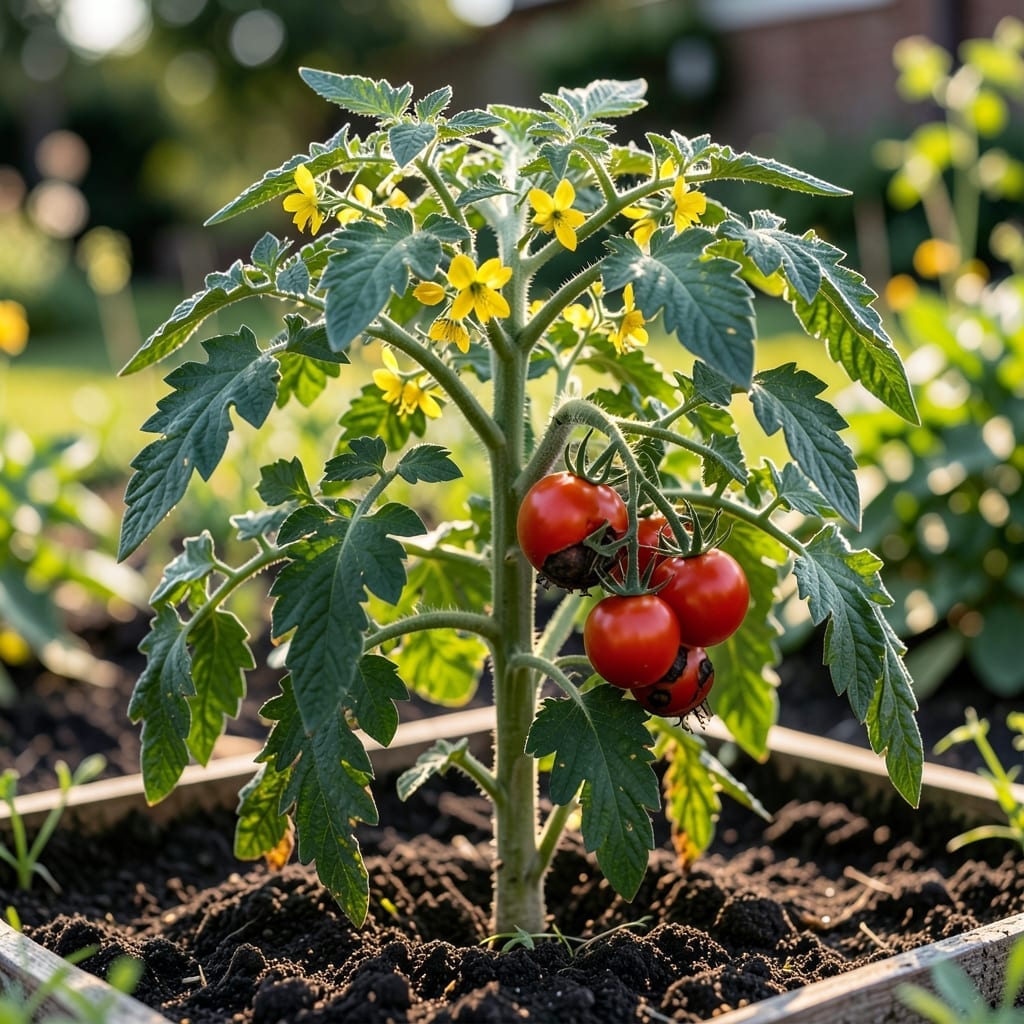
Yes, you can eat tomatoes with blossom end rot by cutting off the affected black, leathery bottom portion. The rest of the fruit remains safe and edible if it shows no signs of mold or other decay.
This condition stems from a calcium imbalance during growth, not from pathogens that would make the whole fruit unsafe. ✨ I simply slice off the discolored bottom third and inspect the remaining flesh for any unusual softness or off odors. The edible portion often tastes just as vibrant as a perfect tomato when used fresh in salads or cooked into sauces.
💡 In This Article
This condition starts with a calcium deficiency during fruit development. Calcium moves through the plant via water, so inconsistent watering disrupts its transport. When the blossom end doesn’t receive enough calcium, cell walls weaken and collapse, creating that characteristic sunken, leathery black spot. The rest of the fruit often remains perfectly fine. 🔥
The issue is purely physiological, not pathological. Unlike fungal diseases or bacterial infections, blossom end rot doesn’t spread through the tomato. It’s localized to the bottom where calcium uptake was insufficient. Soil pH also plays a role—calcium becomes less available to plants when pH drops below 6.0 or rises above 7.5. 💫
What’s fascinating is that the unaffected portions maintain normal cellular structure. You’ll notice the healthy flesh stays firm and vibrant, with no off odors. The rot doesn’t produce toxins or contaminate the rest of the tomato. This is why careful trimming allows you to salvage most of the fruit. ✨
Environmental factors often trigger the problem. Heat stress, drought conditions, or over-fertilization with potassium or magnesium can all interfere with calcium absorption. Even varieties bred for disease resistance aren’t immune—though some heirloom types show better natural tolerance. 🌟
Growers can prevent this by maintaining even soil moisture, especially during fruit set. Adding crushed eggshells or gypsum provides calcium, but only if the soil pH is in the right range. The key is consistent watering—1-2 inches per week—to ensure steady calcium transport to developing fruit. ⚡
Check for firm texture and fresh smell in the unaffected portion. If it looks vibrant and has no mold or soft spots, it’s safe to use. Always cut at least 1/2 inch above the rot.
It’s a localized calcium deficiency issue, not a disease. The condition only affects the blossom end where calcium uptake failed, leaving the rest perfectly fine.
Yes, but trim thoroughly first. Cooked applications like sauces work best, as heat masks any texture differences. Avoid canning whole tomatoes with rot.
Refrigerate in a sealed container and use within 2-3 days. Don’t wash until ready to use to prevent moisture loss.
The good portions maintain normal flavor. Some find the texture slightly firmer near the cut area, but cooking eliminates any difference.