
Beautiful Plants For Your Interior
Beautiful Plants For Your Interior
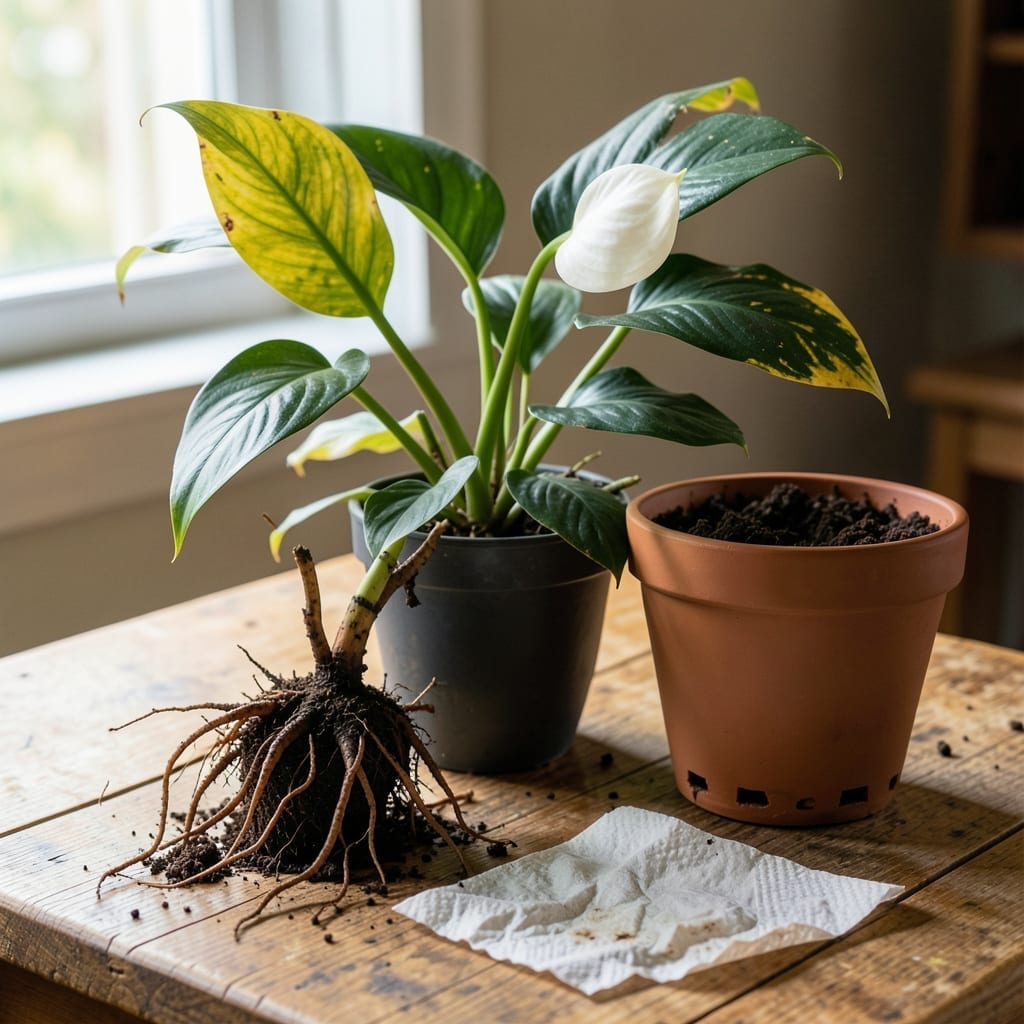
Yellow leaves, mushy stems—I’ve seen this tragedy too many times. Overwatering doesn’t just stress plants; it slowly drowns them by suffocating their roots.
Here’s the thing—most people don’t realize they’re doing it until it’s almost too late. The good news is that with quick action, even severely overwatered plants can bounce back. The key is stopping the water and giving roots a chance to breathe.
I’ve saved dozens by pulling them from soggy soil, trimming the rot, and letting them dry out. Within 1-2 weeks, you’ll often see new growth pushing through.
Works for houseplants, garden perennials, even vegetables. Don’t toss that plant yet—it might just need a second chance.
Overwatering is a common issue that can lead to a plant’s decline, but understanding the root causes can help prevent it. Here’s why it happens:
Plants suffocate when their roots sit in stagnant water. If the pot lacks drainage holes or the soil is too dense (like clay-heavy mixes), water can’t escape. This creates anaerobic conditions, where roots can’t access oxygen, leading to root rot. Always use pots with drainage and well-aerated soil.
Many plant owners stick to a rigid watering routine, ignoring the plant’s actual needs. Factors like humidity, temperature, and season affect how quickly soil dries. Watering on a fixed schedule (e.g., “every Monday”) without checking moisture levels can drown roots. Tip: Use the finger test—stick your finger 1-2 inches into the soil; if it’s dry, it’s time to water.
Some soils retain too much moisture, especially peat-heavy mixes or garden soil used indoors. These mediums compact easily, trapping water around roots. Opt for a light, airy potting mix with perlite or orchid bark to improve drainage.
Plants in oversized pots are prone to overwatering. Excess soil holds more moisture than the roots can absorb, increasing the risk of rot. Choose a pot only 1-2 inches larger in diameter than the root ball.
Don’t toss that soggy plant just yet! With the right steps, you can nurse it back to health. Below are targeted fixes for common overwatering symptoms, plus prevention tips to keep your greens thriving.
If leaves are turning yellow, your plant is likely drowning. Stop watering immediately and let the top 1-2 inches of soil dry out before the next drink. Check moisture by sticking your finger in the soil—if it feels damp, wait another day. For severe cases, repot the plant in fresh, well-draining soil to give roots a dry, airy environment.
Prevention tip: 💡 Water only when the soil feels dry to the touch, and always empty saucers after watering to avoid root rot.
Wilting can signal both underwatering and overwatering. If the soil is soggy, the roots may be suffocating. Move the plant to a pot with drainage holes and use a coarse, chunky mix (like perlite or sand) to improve airflow. Trim any black, mushy roots with clean scissors to prevent rot from spreading.
Prevention tip: ✨ Always choose pots with drainage holes, and add a layer of pebbles at the bottom for extra protection.
White mold or a funky smell means fungus has set in. Remove the plant from its pot, gently rinse the roots to wash away mold, and repot in fresh soil. For stubborn cases, treat the roots with a 1:10 hydrogen peroxide-to-water solution to kill spores before repotting.
Prevention tip: 🌡️ Avoid overcrowding plants and ensure good airflow around them to discourage fungal growth.
If the soil is soaked and smelly, act fast. Tilt the pot at a 45-degree angle to let excess water drain out, or place it in a sunny, breezy spot to speed up evaporation. For potted plants, consider wrapping the base in a paper towel to wick away moisture.
Prevention tip: 🎯 Use a moisture meter to take the guesswork out of watering schedules.
Look for yellowing leaves, mushy stems, or soil that stays soggy for days. A foul smell from the pot is another red flag.
If the soil smells bad or roots are black and mushy, yes. Otherwise, let the soil dry out first. Use fresh, well-draining mix when repotting.
Trim away all dark, soft roots with clean scissors, then repot in dry soil. Water sparingly until new growth appears.
With proper care, you’ll often see improvement in 1-2 weeks. Severely damaged plants may need 3-4 weeks to fully bounce back.