
Beautiful Plants For Your Interior
Beautiful Plants For Your Interior
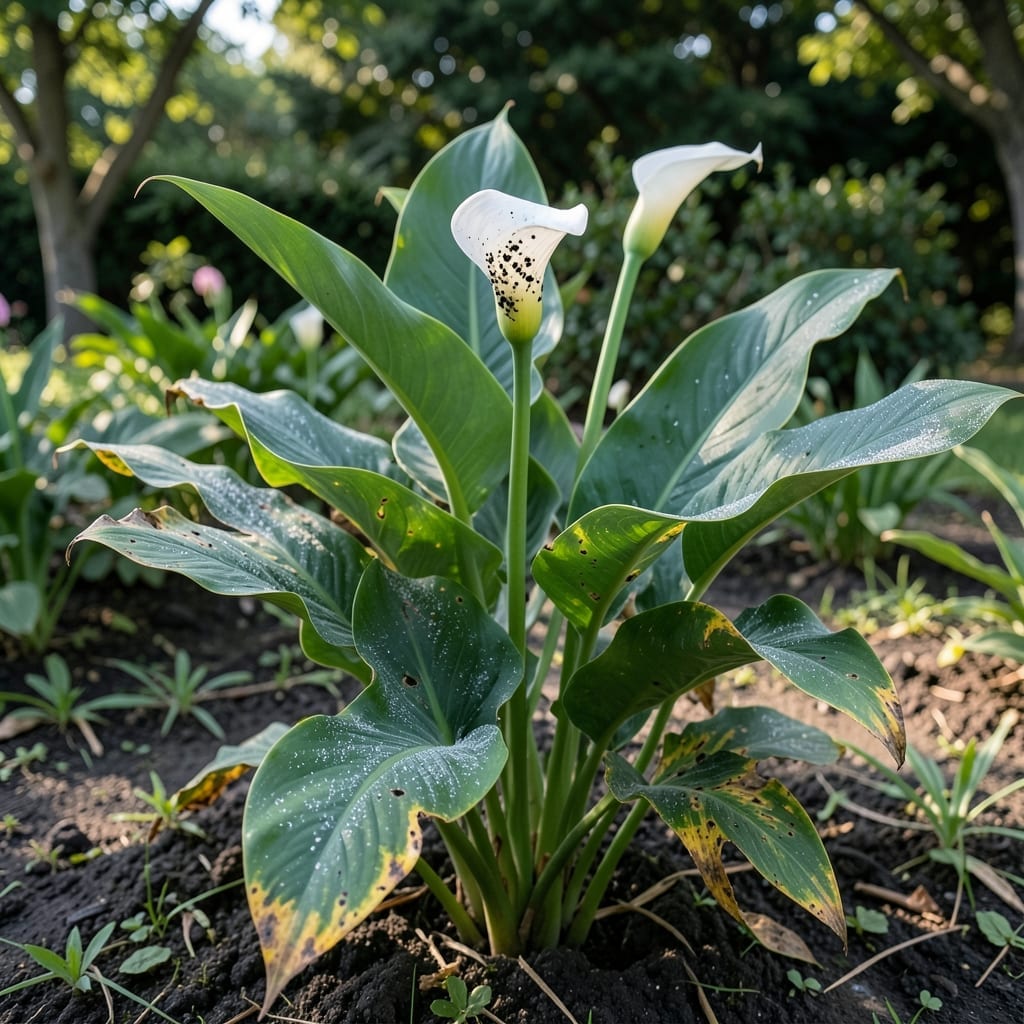
Those dark spots on your calla lily leaves aren’t sunburn. I learned the hard way that fungal diseases love these plants, especially in damp weather or crowded spaces.
Catching it early makes all the difference. The first signs—yellowing edges, brown patches, or powdery coatings—often get mistaken for water stress. Don’t wait for the whole plant to wilt.
With the right approach, you can stop the spread and even save infected plants. I’ve brought callas back from near-death with simple fixes that don’t involve harsh chemicals.
The key is acting fast and adjusting your care routine to keep it from coming back. Here’s how to spot trouble before it takes over.
Fungal infections in calla lilies often stem from environmental and cultural factors that create ideal conditions for pathogens to thrive. Below are the primary causes, explained with actionable insights.
Overwatering or poor drainage saturates the soil, reducing oxygen availability to roots and encouraging fungal growth like Phytophthora or Pythium. Calla lilies prefer moist but not soggy soil. Ensure pots have drainage holes, and water only when the top inch of soil feels dry.
Humid environments (above 60% relative humidity) promote spore germination on leaves and stems. Fungi such as Botrytis thrive in these conditions, leading to gray mold. Improve air circulation with fans or by spacing plants apart, and water early in the day so foliage dries quickly.
Crowded plantings or dense foliage trap moisture and limit airflow, creating microclimates where fungi spread rapidly. Prune dead or overlapping leaves regularly, and avoid overcrowding in garden beds.
Fungal spores can survive in soil or on gardening tools for years. Reusing infected soil or unsterilized pruners introduces pathogens to healthy plants. Sterilize tools with rubbing alcohol, and use fresh, pasteurized potting mix for new plantings.
Stressed calla lilies—due to nutrient deficiencies, extreme temperatures, or physical damage—are more susceptible to fungal attacks. Maintain balanced fertilization (avoid excess nitrogen) and protect plants from frost or heat stress to bolster their natural defenses.
Tackling calla lily fungus starts with quick, targeted action. Below are the most common fungal issues and their fixes, plus tips to keep your plants healthy long-term.
If you spot white, powdery patches on leaves, prune affected areas immediately to stop the spread. Then, spray the plant with a mix of 1 teaspoon baking soda, 1 quart water, and a few drops of dish soap. Repeat every 7–10 days. Prevention tip: 💡 Space plants widely to boost airflow and water at the base to keep foliage dry.
Yellowing leaves and mushy roots signal root rot. Remove the plant from its pot, trim black or slimy roots with sterilized shears, and repot in fresh, well-draining soil. Use a pot with drainage holes. Prevention tip: ✨ Water only when the top inch of soil is dry, and avoid letting pots sit in saucers of water.
Brown or black spots with yellow halos? Cut off infected leaves and dispose of them in the trash (not compost). Apply a copper-based fungicide according to the label. Prevention tip: 🌡️ Avoid overhead watering, and clean up fallen debris around the plant to reduce fungal spores.
Consistency is key: inspect plants weekly for early signs and act fast to nip problems in the bud!
Fungus often shows as brown/black spots with yellow edges or white powder. Water stress causes uniform yellowing or wilting without distinct patterns. When in doubt, check for moisture on leaves or soil.
If over 50% of roots are mushy, recovery is unlikely. For early cases, trim affected roots, repot in fresh soil, and reduce watering. Prevention is always easier than cure.
Baking soda or neem oil sprays help with mild cases like powdery mildew. For stubborn infections like leaf spot, commercial copper-based fungicides are more reliable.
Check leaves and stems weekly, especially after rain. Early detection means easier treatment. Focus on undersides of leaves where spores often hide first.