
Beautiful Plants For Your Interior
Beautiful Plants For Your Interior
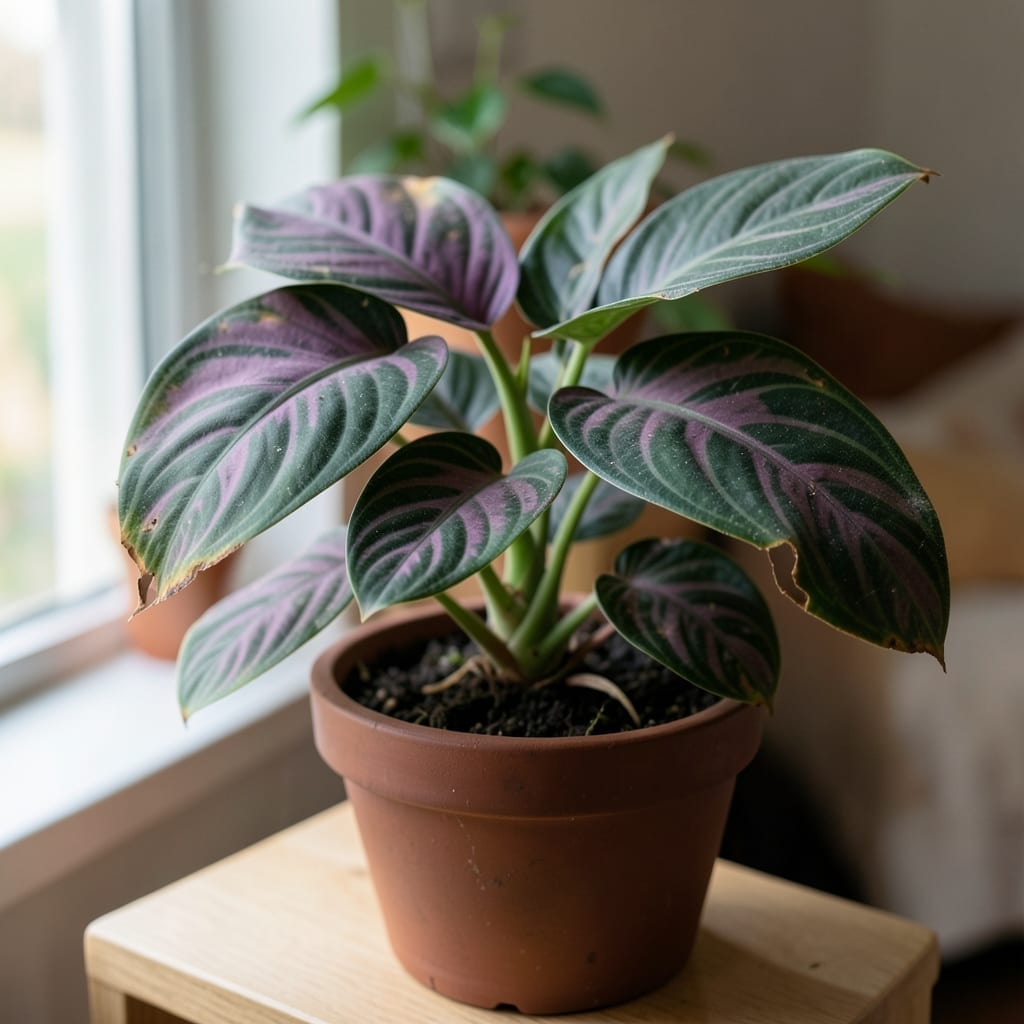
Brown edges on your Calathea Zebrina don’t mean you’re failing. I’ve rescued mine from the brink more times than I’d like to admit with two simple fixes.
Low humidity is usually the culprit—these tropical plants thrive in environments we’d find swampy. Pair that with inconsistent watering or harsh tap water, and those crispy edges appear faster than you can say “tropical paradise.”
Once you adjust the humidity and water quality, new growth emerges vibrant and edge-free within weeks. The transformation is shocking, and the plant thanks you with lush, striped leaves that look like they belong in a jungle, not your living room.
This isn’t about luck—it’s about mimicking their natural habitat. Stick with me, and your Zebrina will be the envy of every plant parent on your feed.
Understanding why your Calathea zebrina develops brown edges is the first step to fixing it. Below are the most common causes, explained with actionable insights.
Calathea zebrina thrives in high humidity (60-70%). When the air is too dry, the leaf edges lose moisture faster than the roots can replenish it, leading to crispy brown tips. Solution: Use a humidifier, group plants together, or place the pot on a pebble tray with water.
Direct sunlight or intense indirect light can scorch the delicate leaves, causing brown, dry edges. These plants prefer bright, indirect light. Solution: Move your plant to a spot with filtered light or use a sheer curtain to diffuse harsh rays.
Both underwatering and overwatering can stress the plant. Underwatering dehydrates the edges, while overwatering suffocates the roots, preventing proper nutrient uptake. Solution: Water when the top inch of soil is dry, ensuring the pot has drainage holes.
Cold drafts or hot, dry air (e.g., near vents) can shock the plant, leading to brown edges. Ideal temperatures range between 65-80°F (18-27°C). Solution: Keep your Calathea away from drafts, heaters, or AC units.
Calathea zebrina is sensitive to chemicals like chlorine and fluoride in tap water, which can accumulate in the soil and burn leaf edges. Solution: Use filtered, distilled, or rainwater for irrigation.
When your Calathea zebrina develops unsightly brown edges, quick and targeted action can restore its lush, striped beauty. Below are practical fixes for the most common causes, paired with prevention tips to keep your plant thriving long-term.
Calatheas crave humidity above 60%. If your home is dry, place the plant on a pebble tray filled with water or group it with other houseplants to create a microclimate. For a faster fix, use a humidifier nearby. Prevention tip: Mist the leaves daily with room-temperature water, but avoid soaking the soil.
Direct sunlight scorches the delicate edges of Calathea zebrina leaves. Move your plant to a spot with bright, indirect light, such as an east-facing window or a few feet away from a south-facing one. Prevention tip: Rotate the pot quarterly to ensure even light distribution and prevent one-sided browning.
Drafts, heaters, or AC vents can cause temperature fluctuations that stress your plant. Keep it in a room with a consistent temperature between 65–80°F (18–27°C) and away from vents or open windows. Prevention tip: Avoid placing it near frequently opened doors or windows during extreme weather.
Check the soil before watering—it should feel slightly dry on top but moist beneath. If the soil is bone-dry, give it a thorough drink and ensure excess water drains away. For overwatering, let the soil dry out more between waterings and repot if root rot is suspected. Prevention tip: Use a well-draining potting mix and a pot with drainage holes to avoid waterlogging.
Calatheas are sensitive to chemicals in tap water, like chlorine or fluoride. Use filtered, distilled, or rainwater to prevent brown tips. If you must use tap water, let it sit out overnight to allow some chemicals to evaporate. Prevention tip: Flush the soil with filtered water every few months to remove built-up salts.
With these fixes, your Calathea zebrina can bounce back and flaunt its vibrant, pattern-rich foliage once again. Stay consistent with care, and your plant will thank you with healthy, edge-free leaves! 🌿
Yes, carefully trim the brown edges with clean scissors to improve appearance. This won’t fix the underlying issue but prevents further damage while you address the root cause.
Mist daily if humidity is below 60%, but avoid over-soaking the leaves. Pair misting with a pebble tray or humidifier for best results.
No, once edges brown, they won’t revert. Focus on fixing the issue to prevent new damage. Healthy new growth will replace affected leaves over time.
Not always, but many municipal water sources contain chemicals that harm sensitive plants. Letting tap water sit for 24 hours helps some chlorine evaporate.