
Beautiful Plants For Your Interior
Beautiful Plants For Your Interior
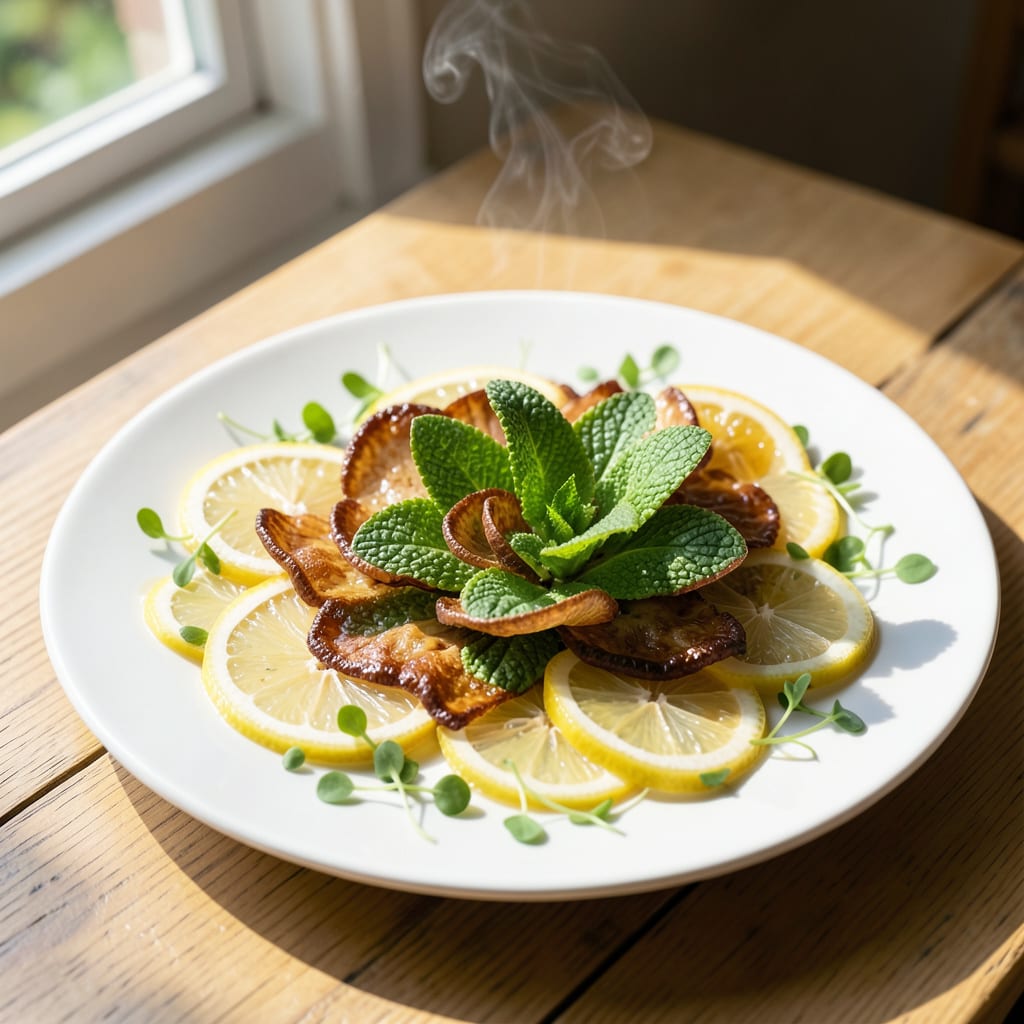
Brown edges on lemon balm leaves mean your plant is trying to tell you something. I’ve seen this happen to my own plants, and the fix is usually simpler than you’d think.
Most cases come down to water stress, nutrient imbalance, or environmental shock. The good news is lemon balm bounces back fast once you address the root cause. No fancy equipment needed—just observation and a few adjustments.
You’ll start seeing new healthy growth within 7-10 days of correcting the issue. The brown edges won’t disappear, but fresh leaves will emerge clean and vibrant.
Works for container plants, garden beds, or indoor setups. Let’s get to the bottom of what your lemon balm needs to thrive again.
Lemon balm (Melissa officinalis) developing brown edges is often a sign of environmental or cultural stress. Below are the most common causes, explained with actionable insights to help you diagnose the issue.
High temperatures or inconsistent watering can lead to leaf scorch, where edges turn brown due to moisture loss. Lemon balm prefers moist but well-draining soil. If the soil dries out too quickly under heat, the plant can’t replenish water fast enough, causing cellular damage at the leaf margins.
While lemon balm enjoys moisture, waterlogged roots suffocate and rot, preventing proper nutrient uptake. This leads to nutritional deficiencies (like magnesium or potassium) that manifest as brown, crispy edges. Check for yellowing leaves accompanying the browning—this is a classic sign of overwatering.
A lack of potassium or calcium often causes marginal necrosis (brown edges) in lemon balm. Potassium supports water regulation within cells, while calcium strengthens cell walls. If your soil is sandy or heavily leached, these nutrients may be depleted. A balanced organic fertilizer (e.g., compost tea or fish emulsion) can help restore equilibrium.
Pathogens like Alternaria or Pseudomonas can cause brown, irregular spots that spread to leaf edges. These thrive in humid conditions or when foliage stays wet for too long. Remove affected leaves immediately and improve air circulation around the plant to prevent further spread.
Over-fertilizing with synthetic products or using hard water (high in salts) can lead to salt burn. This draws moisture out of the leaves, starting at the edges. Flush the soil with distilled water to leach excess salts, and switch to a mild, organic fertilizer.
If your lemon balm leaves are developing unsightly brown edges, don’t panic—most causes are fixable with simple adjustments. Below are targeted solutions for the most common issues, along with prevention tips to keep your plant thriving.
Fix: Check the soil moisture by inserting your finger 1-2 inches deep. If it’s bone-dry, water deeply until excess drains from the bottom. If soggy, let the soil dry out before watering again. Use a pot with drainage holes to prevent waterlogging.
Prevent: Consistency is key—water when the top inch of soil feels dry. Consider a moisture meter for precision. 🌱
Fix: Move potted lemon balm to a spot with partial shade, especially during peak afternoon hours. For garden plants, use shade cloth or plant near taller companions for natural protection.
Prevent: Acclimate plants gradually to direct sunlight and mulch around the base to retain moisture and cool roots. 💡
Fix: Increase humidity by misting leaves in the morning or placing a tray of water with pebbles near the plant. Grouping plants together also helps.
Prevent: Keep lemon balm away from heaters, air vents, or drafty windows. A small humidifier works wonders indoors. ✨
Fix: Brown edges can signal a lack of potassium or magnesium. Amend soil with compost or a balanced organic fertilizer. For quick relief, use a liquid seaweed extract.
Prevent: Feed lemon balm every 4-6 weeks during the growing season with a half-strength organic fertilizer. 🎯
Fix: Inspect leaves for pests like spider mites or aphids. Spray with neem oil or insecticidal soap at dusk. For fungal issues, improve airflow and avoid wetting foliage.
Prevent: Regularly clean up fallen leaves and debris. Companion plant with pest-repelling herbs like basil or mint. 🛡️
Water when the top 1 inch of soil feels dry, about 2-3 times per week in warm weather. Always check soil moisture first to avoid overwatering.
Yes, if caused by fungal disease or pests. Remove affected leaves immediately and treat with neem oil or improve air circulation to prevent spread.
Pruning won’t fix existing brown edges but encourages new growth. Trim affected areas to redirect energy to healthy leaves. New leaves should appear within 7-10 days.
Possibly. Hard water can cause salt burn. Flush soil with distilled water monthly and consider using rainwater for irrigation.
