
Beautiful Plants For Your Interior
Beautiful Plants For Your Interior
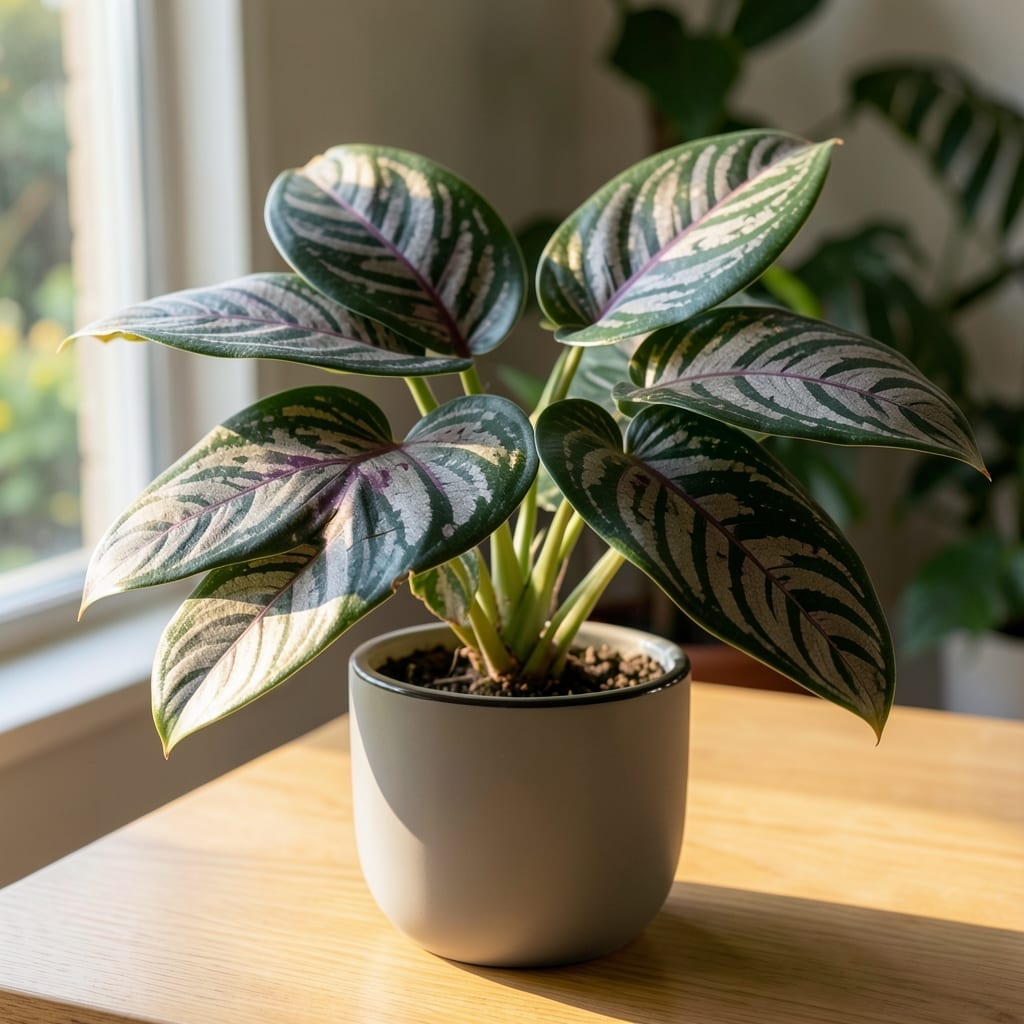
My Calathea musaica’s leaves curled overnight last winter. The culprit? Dry air from indoor heating and a sunny windowsill that baked its delicate foliage.
Here’s the thing—these plants need 60-70% humidity and bright, indirect light to stay happy. Curling is their distress signal for too little moisture or too much direct sun.
I fixed mine with a pebble tray and moved it 3 feet from the window. New leaves unfurled within days, and the curling stopped completely.
This works for any room with low humidity or harsh light. Skip the guesswork and give your plant what it’s begging for.
Calathea musaica leaves curl primarily due to environmental stressors that disrupt their natural physiological processes. Below are the most common causes, explained with actionable insights.
As a tropical plant, Calathea musaica thrives in humidity levels of 60-80%. When ambient humidity drops below 50%, the plant loses moisture faster than it can absorb it through its roots. This triggers transpirational stress, causing the leaves to curl inward to reduce surface area and minimize water loss. Action: Use a humidifier or place the pot on a pebble tray with water.
Direct sunlight or intense artificial light can overload the plant’s photosynthetic system, leading to photoinhibition. The leaves curl to shield their sensitive stomata (pores) from excessive light energy, which can also cause chlorosis (yellowing). Action: Move the plant to bright, indirect light (1,000–2,000 foot-candles) or use a sheer curtain to diffuse light.
Sudden temperature drops below 60°F (15°C) or heat spikes above 80°F (27°C) stress the plant’s cellular structure. Cold drafts (e.g., near AC vents) cause turgor pressure loss, while heat accelerates evaporation, both leading to curling. Action: Maintain a stable temperature between 65–75°F (18–24°C) and avoid drafts.
Underwatering starves the roots of moisture, forcing leaves to curl to conserve water. Conversely, overwatering suffocates roots, preventing oxygen uptake and causing root rot. Both disrupt the plant’s ability to regulate turgor pressure. Action: Water when the top 1–2 inches of soil are dry, and ensure the pot has drainage holes.
Stagnant air traps moisture around the leaves, promoting fungal growth, or dries out the plant unevenly. Calathea musaica needs gentle airflow to maintain transpiration balance. Action: Place the plant in a well-ventilated area or use a low-speed fan (avoid direct airflow).
If your Calathea musaica leaves are curling, don’t worry—there are simple fixes for each common cause. Below are targeted solutions, plus prevention tips to keep your plant thriving.
Calatheas love humidity (60-70%). Fix it: Mist leaves daily with room-temperature water, use a humidifier nearby, or place the pot on a pebble tray filled with water. Grouping plants together also helps.
Prevent it: Keep your plant away from drafts, AC vents, or heaters that dry out the air.
Direct sunlight scorches leaves, causing them to curl. Fix it: Move your Calathea musaica to bright, indirect light—east or north-facing windows are ideal. If only a sunny spot is available, use a sheer curtain to diffuse the light.
Prevent it: Rotate the pot weekly for even light exposure and monitor for leaf discoloration.
Extreme temps (below 60°F or above 80°F) stress the plant. Fix it: Move it to a room with consistent temps (65-75°F). Avoid cold drafts or hot radiators.
Prevent it: Use a small space heater or fan (not directed at the plant) to maintain steady warmth in colder months.
Both extremes cause curling. Fix it: Check the soil—if bone-dry, water thoroughly; if soggy, let it dry out before watering again. Use well-draining soil and a pot with drainage holes.
Prevent it: Water when the top 1-2 inches of soil feel dry. Stick to a schedule (e.g., every 7-10 days) and adjust for seasonality.
Spider mites or aphids suck sap, causing leaves to curl. Fix it: Wipe leaves with a damp cloth or spray with neem oil. Isolate the plant to prevent spreading.
Prevent it: Inspect leaves weekly and keep humidity high—pests thrive in dry conditions.
With these fixes, your Calathea musaica should perk up in no time! 🌿
Water when the top 1-2 inches of soil feel dry, typically every 7-10 days. Overwatering can cause root rot, while underwatering leads to dehydration. Adjust frequency based on humidity and season.
Avoid tap water if it’s hard or chlorinated, as this can cause leaf browning. Use filtered, distilled, or rainwater instead. If tap is your only option, let it sit out for 24 hours first.
New leaves naturally curl as they emerge—this is normal! They’ll unfurl on their own in 1-2 weeks if humidity and light are adequate. Avoid forcing them open, as this can damage the delicate growth.
Misting helps temporarily but isn’t enough for long-term humidity control. Combine it with a pebble tray or humidifier to maintain 60-70% humidity. Grouping plants together also boosts local moisture levels.