
Beautiful Plants For Your Interior
Beautiful Plants For Your Interior
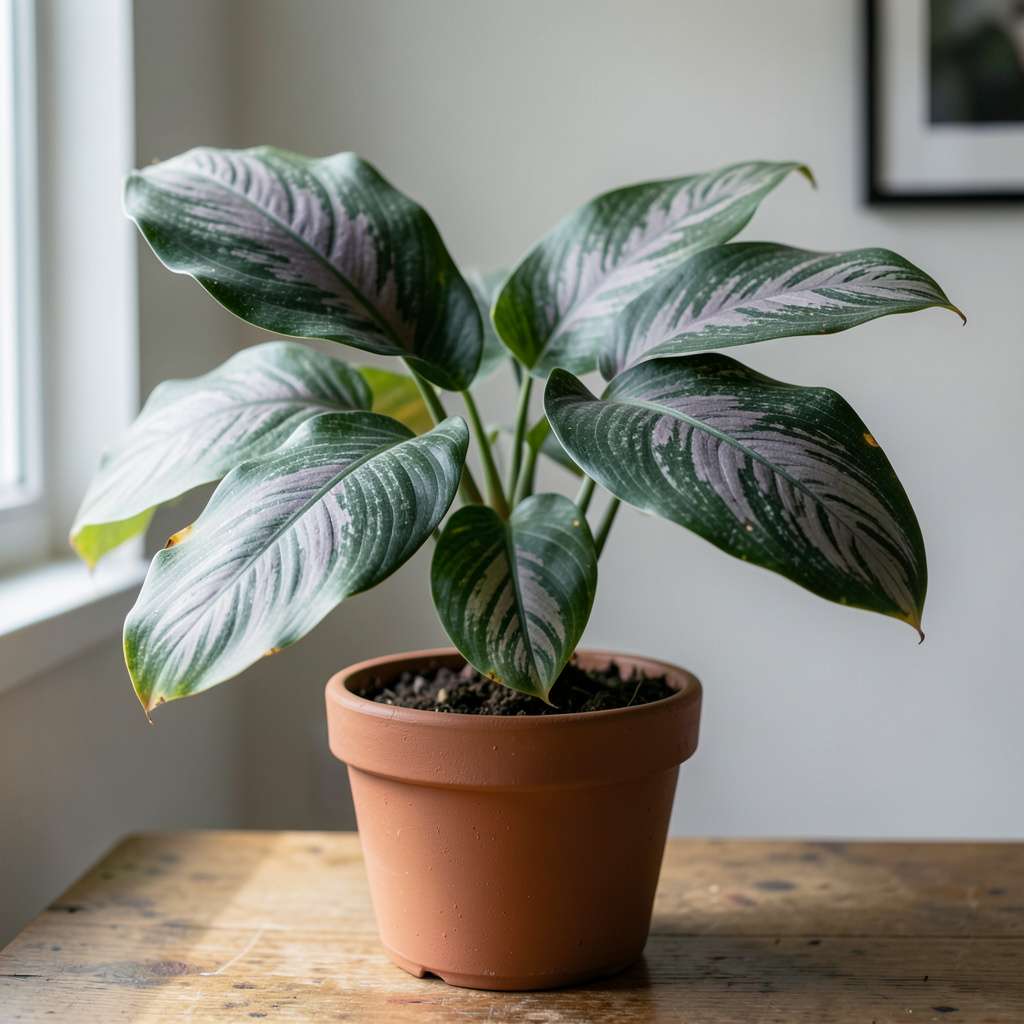
Yellow leaves on calathea usually indicate overwatering, low humidity, or too much direct sunlight. Check soil moisture, increase misting, and move to indirect light. Nutrient deficiencies or pests may also be the cause.
Calatheas are notoriously sensitive to their environment, and those yellow leaves are essentially their way of sending an SOS. 🌱 Through years of trial and error, I’ve learned that these tropical beauties thrive when their soil stays consistently moist but never soggy—think of it like a well-wrung sponge. The humidity factor is equally critical; anything below 40% can trigger stress responses, while direct sunlight acts like a magnifying glass on their delicate foliage. What often surprises new plant parents is how quickly these issues can escalate—what starts as a single yellow leaf can become a full-blown crisis within days if conditions aren’t adjusted.
💡 In This Article
When calathea leaves start yellowing, it’s often a direct response to root stress from overwatering. The roots of these tropical plants need oxygen to function, but waterlogged soil creates anaerobic conditions where beneficial microbes die off. Within 24-48 hours of excessive moisture, roots begin rotting, unable to absorb nutrients properly.
This triggers chlorosis—the breakdown of chlorophyll—that manifests as yellow patches between leaf veins. What’s particularly tricky is that symptoms may not appear until days after the damage begins, making early detection challenging. 🌱
The humidity sweet spot for calatheas falls between 60-70%, with anything below 40% causing moisture loss through transpiration faster than roots can replenish. This drought stress at the cellular level forces the plant to sacrifice older leaves first, which turn yellow as nutrients get redirected to new growth.
You’ll often notice crispy brown edges accompanying the yellowing—a telltale sign of atmospheric dryness. Indoor heating systems can drop humidity to as low as 20%, creating perfect conditions for this type of stress. ✨
Light intensity plays a more subtle but equally critical role. Calatheas evolved under dappled forest canopies receiving only 100-200 foot-candles of light. Direct sunlight delivers 10,000+ foot-candles, overwhelming their photosynthetic systems. The excess energy creates reactive oxygen species that damage cell membranes, appearing as bleached yellow spots where light exposure was strongest.
Even bright indirect light from south-facing windows can be too intense without sheer curtains to diffuse it. 💡
Nutrient imbalances often manifest through specific yellowing patterns. Nitrogen deficiency starts with uniform pale yellow on older leaves, while magnesium deficiency creates interveinal chlorosis—yellow areas between still-green veins. Iron deficiency shows as yellowing between veins of new growth first.
Most tap water contains insufficient magnesium (ideal range: 25-50 ppm), and standard potting mixes deplete available iron within 3-4 months without supplementation. These deficiencies develop slowly but become irreversible if not addressed promptly. 🔬
Pest infestations like spider mites and thrips cause yellowing through different mechanisms. Spider mites pierce individual cells to feed, creating tiny yellow stipples that merge into larger patches. Thrips lay eggs inside leaf tissue, and the resulting larval feeding creates silvery-yellow streaks along leaf surfaces.
Both pests thrive in the same low-humidity conditions that stress calatheas, creating a vicious cycle. A single female spider mite can produce 100 offspring in just 2 weeks, making early detection critical. 🕵️
The interplay between these factors creates compounding effects. For example, overwatered plants become more susceptible to fungal gnats, whose larvae damage roots and create entry points for pathogens. Similarly, low humidity weakens the plant’s natural defenses against pests while accelerating water loss.
This is why you’ll often see multiple issues presenting simultaneously—what appears as simple yellowing may actually be the result of three or four interconnected problems. 💫
What many plant owners don’t realize is that calatheas have specialized cells called “pulvini” at the base of each leaf that control their famous nighttime movements. When stressed by any of these factors, these cells malfunction first, often causing leaves to droop or curl before yellowing becomes visible.
This early warning system gives you a 24-48 hour window to correct conditions before permanent damage occurs to the leaf tissue itself. 🌿
The recovery process depends on which part of the leaf structure was damaged. If only the chlorophyll was affected (as with mild light stress), leaves may regreen within 1-2 weeks of correcting conditions.
But if the vascular system was compromised (as with severe root rot), the leaf will continue yellowing until it dies, with new growth being the only recovery path. This explains why you might see both yellow and healthy green leaves on the same plant during recovery. ⚡
Check the soil every 5-7 days by inserting your finger 1-2 inches deep. Water only when the top 1/3 of soil feels dry. Overwatering is the #1 cause of yellowing, so err on the side of underwatering.
Unfortunately, no. Once leaves yellow due to damage, they won’t recover. However, new growth will be healthy if you correct the issue. Focus on improving conditions—proper humidity, light, and watering—to encourage vibrant new leaves.
Aim for 60-70% humidity for optimal health. Below 40% triggers stress responses. Use a pebble tray, humidifier, or group plants together to maintain moisture. Low humidity often causes crispy edges alongside yellowing.
This is natural aging—calatheas shed older leaves first when stressed. Check for root issues or nutrient deficiencies if multiple leaves yellow. Trim damaged foliage to redirect energy to new growth. It’s the plant’s survival strategy!
With proper care, you’ll see improvement in 2-3 weeks. Full recovery takes 4-8 weeks depending on damage severity. Be patient and maintain consistent conditions—new leaves will emerge healthier.
