
Beautiful Plants For Your Interior
Beautiful Plants For Your Interior
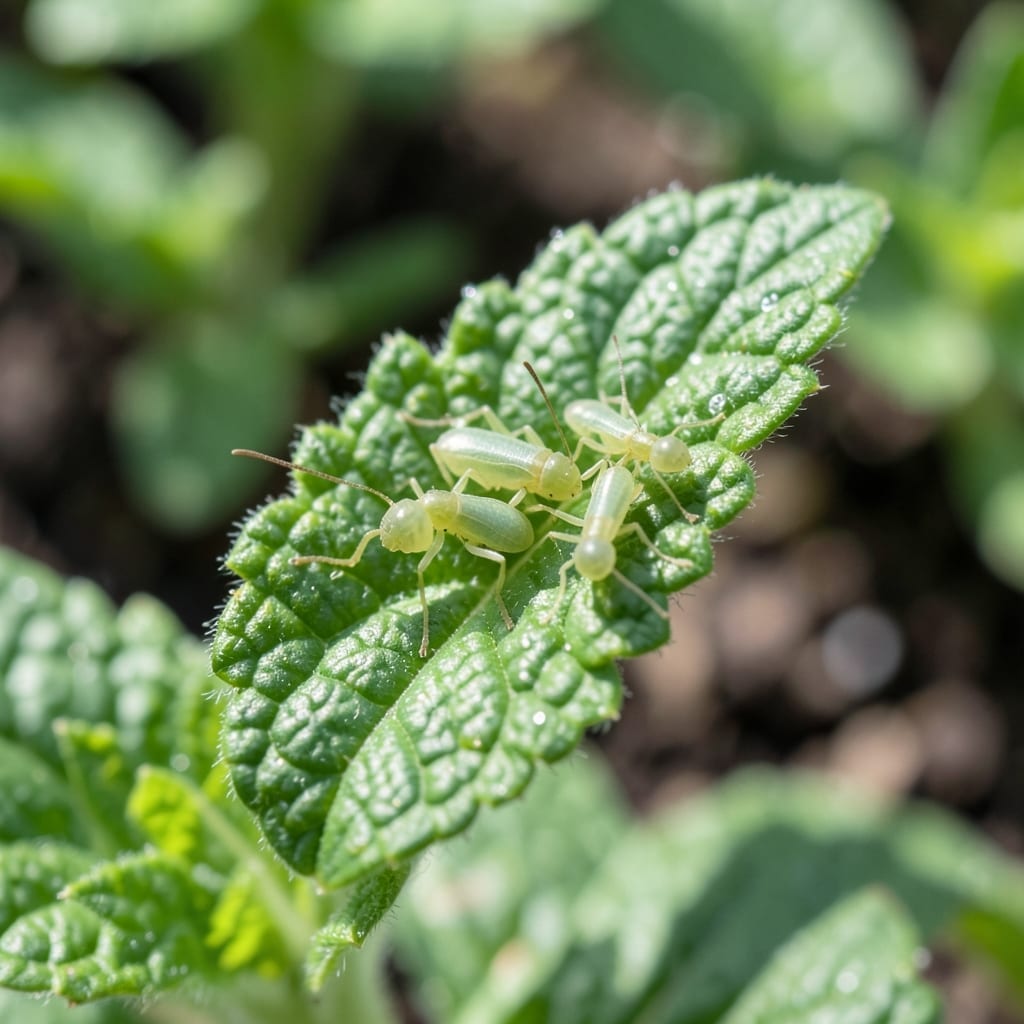
Mint’s vibrant leaves should never look like lace. I’ve battled these pests myself, and the right approach brings plants back to their lush green glory without harsh chemicals.
Most bugs on mint are easy to spot once you know what to look for. Tiny holes, sticky residue, or curled leaves are red flags. The solution is often simpler than you’d think—just a little observation and quick action.
Within a week of using natural methods, you’ll see new growth free of invaders. The best part? These fixes also prevent future outbreaks, so your mint stays healthy season after season.
Works for potted plants, garden beds, and even small windowsill herbs. Here’s how to reclaim your mint.
Mint plants attract pests for several biological and environmental reasons. Understanding these causes helps you address infestations at their root.
Mint produces strong aromatic oils, like menthol and carvone, which naturally repel some insects but invite others. Pests like spider mites, aphids, and whiteflies are drawn to these compounds. The oils also signal a nutrient-rich food source, making mint a prime target for sap-sucking bugs.
Excess moisture creates an ideal breeding ground for pests. Mint thrives in damp soil, but standing water or high humidity encourages fungal growth and soft plant tissue—perfect for bugs like fungus gnats and mealybugs. Poor drainage exacerbates this issue, stressing the plant and making it more vulnerable.
Over-fertilizing, especially with nitrogen-heavy mixes, leads to lush but weak growth. Soft, tender leaves are easier for pests like thrips and leafhoppers to pierce and feed on. Conversely, nutrient-deficient mint may lack the strength to resist infestations, leaving it susceptible to opportunistic bugs.
Mint planted near other pest-prone species (e.g., roses or cucumbers) can inherit their problems. Shared soil or proximity allows pests to migrate easily. Additionally, a lack of natural predators (like ladybugs) in monoculture setups lets bug populations explode unchecked.
Keep your mint plants thriving with these simple, natural solutions to common pest issues.
Mix 1 teaspoon of mild liquid soap with 1 liter of water and spray directly on aphids. The soapy solution disrupts their cell membranes, eliminating them without harming your mint. Prevention tip: 💡 Encourage ladybugs—natural predators of aphids—by planting companion flowers like marigolds nearby.
Dilute 1 tablespoon of neem oil in 1 liter of water and add a few drops of dish soap as an emulsifier. Spray the mixture on the undersides of leaves where spider mites hide. Reapply every 5–7 days until the infestation clears. Prevention tip: ✨ Keep humidity high around your mint, as spider mites thrive in dry conditions.
Release parasitic wasps or lacewings into your garden to naturally control whitefly populations. For a quick fix, set up yellow sticky traps near the plants to catch adults. Prevention tip: 🎯 Avoid over-fertilizing with nitrogen, which attracts whiteflies to tender new growth.
Surround your mint with copper tape or crushed eggshells to deter these slimy pests. Alternatively, set out beer traps—bury a shallow container filled with beer at soil level; slugs and snails will crawl in and drown. Prevention tip: 🌡️ Water in the morning so foliage dries by evening, reducing the damp conditions these pests love.
Interplant mint with garlic, chives, or basil to repel a variety of insects naturally. These companions confuse pests with their strong scents, keeping them away from your mint. Prevention tip: 🔥 Rotate crops annually to prevent pests from establishing a permanent home in your garden.
Aphids appear as tiny green or black dots, often clustered on new growth. Spider mites look like tiny red or brown specks on leaf undersides. Whiteflies are small, white, and fly away when disturbed.
Pests return due to poor drainage, overwatering, or lack of natural predators. Over-fertilizing with nitrogen also attracts them to tender new leaves.
It’s not recommended, especially for edible plants. Natural solutions like neem oil or soapy water work effectively without harmful residues.
Check your plants every 2–3 days during warm weather, when pests are most active. Early detection makes treatment much easier.