
Beautiful Plants For Your Interior
Beautiful Plants For Your Interior
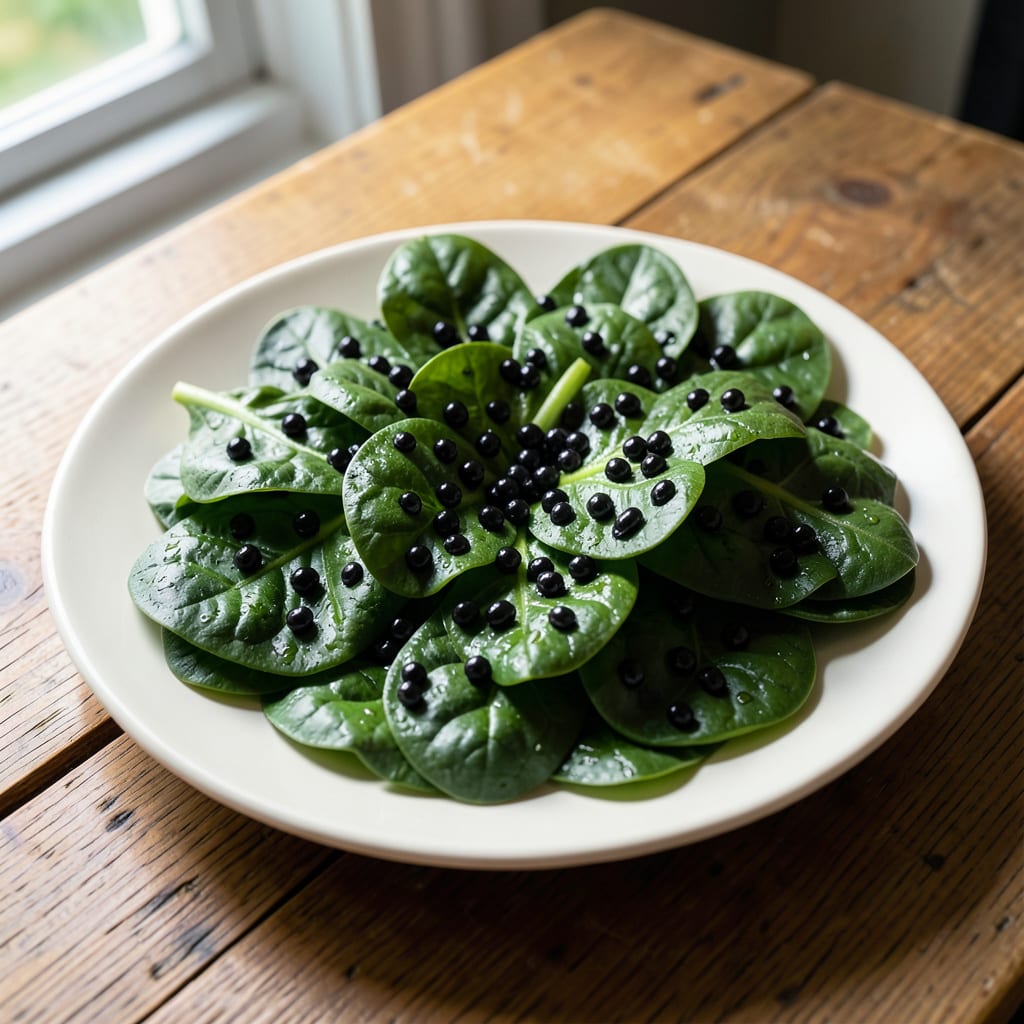
Spotted black dots on your leaves? I’ve been there—staring at my plants, wondering if it’s a death sentence or just a bad day. Turns out, it’s usually fixable with the right approach.
These tiny invaders often signal fungal issues, pests, or stress. The good news? Early action stops them from spreading. I’ve saved countless plants by catching these spots before they took over.
You’ll learn to identify the culprit and treat it naturally. No harsh chemicals, just simple solutions that work with your garden’s ecosystem.
Works for roses, tomatoes, and most leafy greens. Let’s get your plants back to their vibrant, healthy selves.
Black dots on leaves often signal underlying issues that can harm plant health. Here are the most common causes, explained clearly so you can act fast.
Fungi like Cercospora or Alternaria thrive in warm, humid conditions, producing dark, circular spots. These pathogens spread via water splashes or contaminated tools, entering leaves through wounds or stomata. Overhead watering and poor air circulation worsen the problem.
Soft-bodied insects such as aphids, scale, or spider mites leave behind sticky honeydew, which attracts sooty mold—a black fungus that forms dots. These pests also cause physical damage, creating entry points for secondary infections.
Extreme heat, drought, or nutrient deficiencies (especially calcium or magnesium) can trigger leaf discoloration. Stress weakens plants, making them more susceptible to diseases that manifest as black spots.
Overuse of fertilizers or pesticides can scorch foliage, leaving dark, irregular marks. High salt concentrations in soil or foliar sprays disrupt cell function, leading to necrosis that appears as black dots.
Tackling those pesky black dots on your plant’s leaves starts with identifying the cause and applying the right fix. Here’s how to address each issue effectively:
If the dots are accompanied by yellowing or a fuzzy texture, a fungicide is your best bet. Mix 1 teaspoon of baking soda with 1 liter of water and a few drops of dish soap, then spray the leaves thoroughly. For severe cases, use a copper-based fungicide and repeat every 7–10 days until the issue clears.
Prevention tip: 🌿 Improve air circulation around plants and avoid overhead watering to keep leaves dry.
For pests like spider mites or aphids, start with a strong blast of water to dislodge them. Follow up with neem oil or insecticidal soap, applying every 3–5 days until pests are gone. Check the undersides of leaves, where they often hide.
Prevention tip: 💡 Introduce beneficial insects like ladybugs or lacewings to your garden for natural pest control.
Yellowing leaves with black spots may signal a potassium or magnesium deficiency. Amend the soil with compost or a balanced fertilizer (e.g., 10-10-10) to restore nutrients. For a quick fix, use Epsom salt (1 tablespoon per gallon of water) for magnesium.
Prevention tip: ✨ Test your soil annually and adjust amendments based on the results.
If the dots appear after extreme weather or poor drainage, adjust watering habits and ensure pots have drainage holes. Move potted plants to a sheltered spot during harsh conditions. Prune damaged leaves to redirect energy to healthy growth.
Prevention tip: 🎯 Mulch around plants to retain moisture and protect roots from temperature swings.
Yes, fungal spores and pests can spread quickly. Isolate affected plants immediately and avoid touching healthy foliage after handling infected leaves.
Fungal spots often have fuzzy edges or yellow halos. Pest damage usually includes sticky residue or visible insects. Use a magnifying glass to check undersides.
Only if the cause is environmental stress. For fungal or pest-related spots, it’s safest to discard affected leaves. Always wash produce thoroughly.
Remove infected leaves with clean shears and dispose of them in sealed bags. This reduces spore production and pest hiding spots.
