
Beautiful Plants For Your Interior
Beautiful Plants For Your Interior
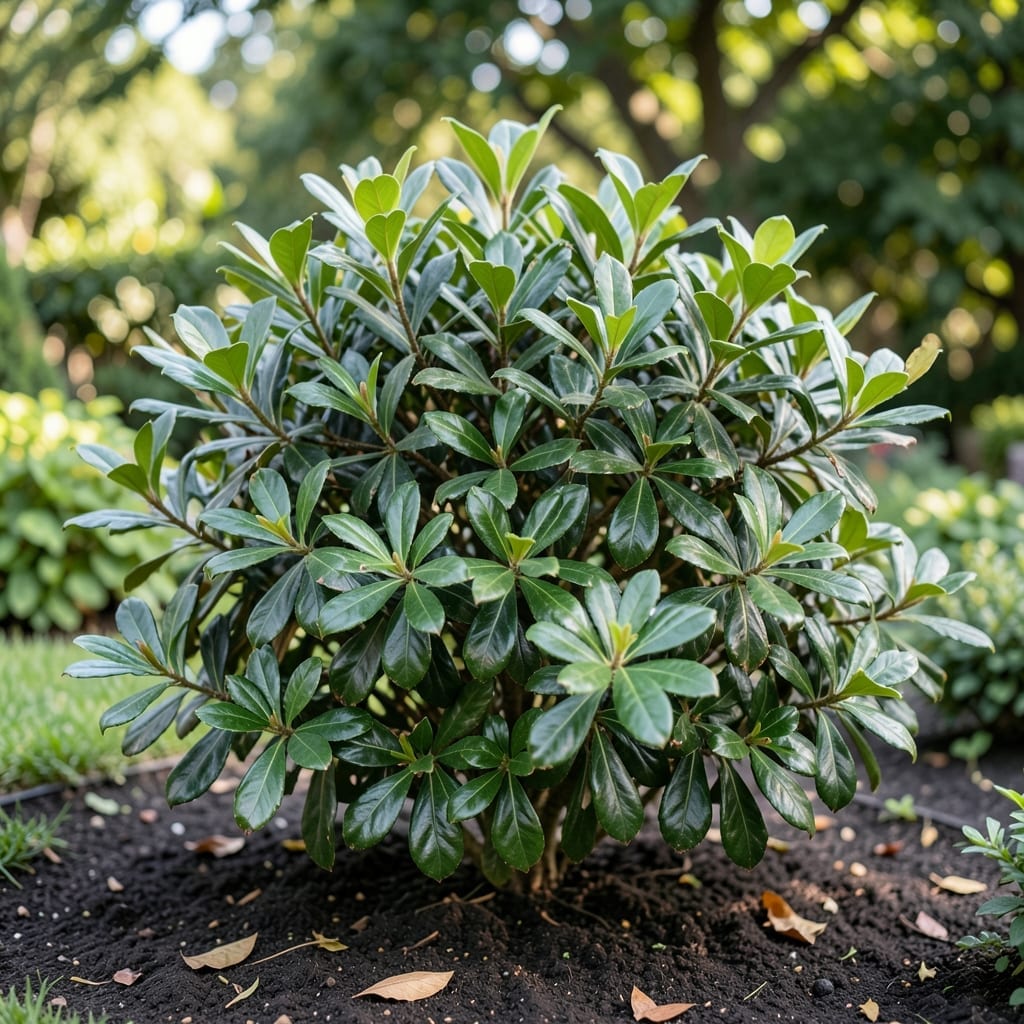
My laurel’s brown tips had me stumped for months. Turns out, it’s rarely just one issue—usually a combo of stress factors ganging up on your plant.
I traced mine to inconsistent watering and a sneaky magnesium deficiency. The brown starts at the edges, then creeps inward like a slow-moving wildfire. Catching it early makes all the difference.
You’ll see new growth return to that deep green within 2-3 weeks of fixing the root cause. The key is matching your solution to the specific symptoms you’re seeing.
Works for potted laurels, hedges, or that one stubborn shrub in your landscape. Here’s how to diagnose and fix it.
Understanding why your laurel leaves develop brown tips is the first step toward restoring their lush, green appearance. Here are the most frequent culprits behind this issue:
Both overwatering and underwatering can lead to brown tips. Overwatering suffocates the roots, preventing oxygen uptake and causing root rot, which manifests as browning leaf edges. Conversely, underwatering leads to dehydration, where the leaf tips dry out and turn brown due to a lack of moisture. Laurels prefer consistently moist but well-drained soil—aim for 1–1.5 inches of water per week, adjusting for rainfall.
Extreme temperatures, especially frost or sudden cold snaps, can damage laurel leaves, leading to brown tips. Additionally, low humidity or exposure to dry winds can desiccate the foliage. Laurels thrive in USDA zones 7–9; if you live in a colder region, consider planting them in a sheltered spot or using mulch to protect the roots during winter.
Excessive fertilizer salts or de-icing salts in the soil can cause chemical burns, leading to brown leaf tips. This is often due to over-fertilization or runoff from treated roads. Flush the soil with water to leach out excess salts, and avoid using high-salt fertilizers near your laurel. A soil test can help confirm salt buildup.
Pathogens like Phytophthora (a water mold) or bacterial leaf spot can cause browning, often starting at the tips or edges. These thrive in poorly drained soil or high humidity. Improve air circulation around the plant, avoid overhead watering, and remove affected leaves to prevent spread. Fungicides or bactericides may be necessary for severe cases.
Once you’ve identified the cause of brown tips on your laurel leaves, here’s how to fix each issue and prevent future damage.
If dry soil is the culprit, give your laurel a deep watering to rehydrate the roots. Water slowly until the soil is moist 2–3 inches down. For potted laurels, ensure the container has drainage holes to avoid waterlogging later. Prevention tip: 💡 Check soil moisture weekly—stick your finger in the dirt to test dryness.
Soggy roots need air! Stop watering immediately and let the soil dry out. If the plant is in a pot, move it to a sunny spot to speed up evaporation. For garden laurels, amend heavy clay soil with compost or sand. Prevention tip: ✨ Use a moisture meter to avoid guessing—water only when the top inch of soil is dry.
If cold winds or extreme heat are to blame, relocate potted laurels to a sheltered spot or use a frost cloth in winter. For sun-scorched leaves, provide afternoon shade. Prevention tip: 🌡️ Acclimate plants gradually to new conditions to avoid shock.
A balanced, slow-release fertilizer (10-10-10) can restore missing nutrients. Apply in early spring or late fall, following package instructions. Yellowing leaves may signal a magnesium deficiency—use Epsom salts (1 tbsp per gallon of water) as a foliar spray. Prevention tip: 🎯 Test your soil every 2–3 years to monitor nutrient levels.
For pests like scale or aphids, spray leaves with neem oil or insecticidal soap. Prune heavily infested areas and dispose of debris to prevent spread. Fungal issues? Improve airflow around the plant and avoid overhead watering. Prevention tip: 🛡️ Inspect leaves regularly and act at the first sign of trouble.
With these fixes, your laurel should bounce back—just stay consistent with care!
Unfortunately, brown tips won’t revert to green. Once leaf tissue dies, it stays brown. However, new growth will be healthy if you fix the underlying issue. Trim the damaged tips with clean shears to improve appearance.
Water when the top 1-2 inches of soil feel dry. Typically this means 1-2 times per week in average weather. Always check soil moisture first—overwatering is worse than underwatering.
Flush the soil deeply with water to leach out excess salts. Repeat 2-3 times over a week. Avoid fertilizers during this period and consider repotting if the plant is in a container.
Only remove leaves that are more than 50% brown. Minor tip browning won’t harm the plant. Use clean pruners and cut just the damaged portions to maintain the laurel’s energy.