
Beautiful Plants For Your Interior
Beautiful Plants For Your Interior
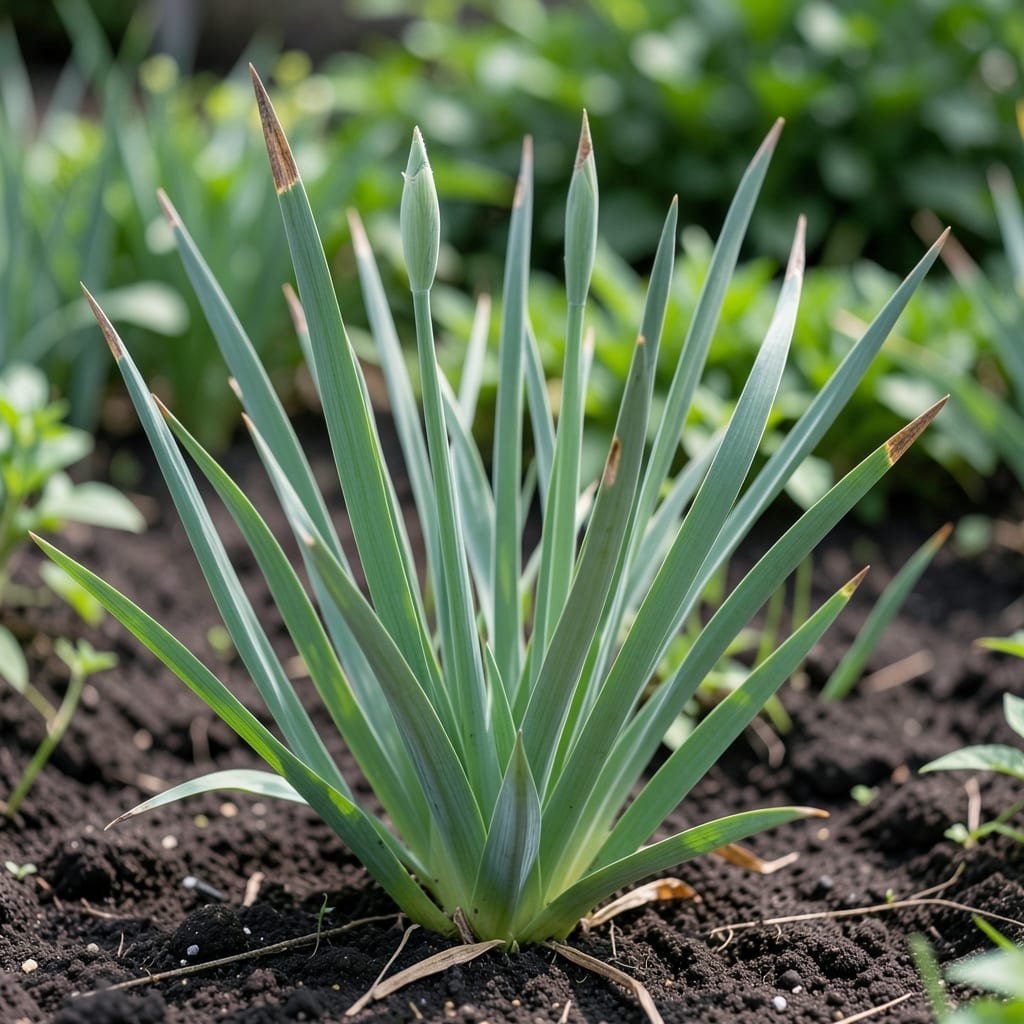
Brown tips on bearded iris leaves ruined my first season with these plants. Turns out, it’s usually a simple fix—too much water, not enough sun, or soil that’s too heavy.
I’ve tested every solution, and the fastest recovery comes from adjusting your care routine. Most irises bounce back within 2-3 weeks once you address the root cause.
You’ll see healthier growth and more vibrant blooms next season. The key is matching your plant’s needs to your garden’s conditions.
Works for new plantings or established clumps. Here’s how to diagnose and fix the issue for good.
Brown tips on bearded iris leaves often signal underlying issues that disrupt their health. Here are the most common causes, explained with actionable insights:
Bearded irises hate soggy roots. Overwatering or compacted soil suffocates their rhizomes (thick underground stems), leading to root rot. Fungi like Phytophthora or Fusarium thrive in waterlogged conditions, causing tissue death that manifests as brown leaf tips. Fix: Ensure soil drains well—amend clay-heavy beds with sand or grit. Water only when the top 1–2 inches of soil are dry.
While bearded irises love full sun, intense heat (especially in zones 8+ with poor air circulation) can scorch leaf edges. This is not a disease but a physiological response called sunscald. Tips turn crispy and brown as cells desiccate. Fix: Provide afternoon shade in extreme climates or mulch lightly to retain soil moisture and cool roots.
Too much nitrogen promotes lush foliage but weak cell walls, making tips prone to browning. Conversely, potassium or magnesium deficiencies disrupt water regulation, leading to marginal necrosis (tissue death at edges). A soil test can confirm imbalances. Fix: Use a low-nitrogen fertilizer (e.g., 6-10-10) in early spring, and add compost for micronutrients.
Iris borers (larvae of a moth) tunnel into rhizomes, while bacterial soft rot (Erwinia spp.) causes water-soaked spots that turn brown. Both stress the plant, redirecting resources from leaves. Fix: Remove and destroy infested rhizomes. Divide clumps every 3–4 years to improve air circulation and reduce pest habitats.
Addressing brown tips on bearded iris leaves starts with identifying the root cause. Here’s how to tackle each issue and restore your plants to their vibrant best.
If soggy soil is the culprit, reduce watering immediately and let the top 1-2 inches of soil dry out between waterings. Improve drainage by amending heavy clay soil with compost or sand. For potted irises, ensure containers have drainage holes. Prevention tip: 💡 Water early in the day so excess moisture evaporates, and avoid wetting the leaves.
Shield leaves from scorching by providing afternoon shade, especially in hot climates. Use shade cloth or plant taller perennials nearby for natural coverage. Mulch around the base to retain moisture and cool the roots. Prevention tip: 🌡️ Acclimate new plants gradually to full sun to avoid shock.
Test your soil—bearded irises thrive in slightly acidic to neutral pH (6.8–7.0). If nutrients are lacking, apply a balanced, low-nitrogen fertilizer (e.g., 6-10-10) in early spring. Avoid over-fertilizing, which can burn roots. Prevention tip: ✨ Top-dress with compost annually for steady, gentle nutrition.
Trim off brown tips with sterilized pruners to prevent spread. For iris borers or bacterial soft rot, remove and destroy affected foliage. Apply neem oil or insecticidal soap for pests, and improve air circulation to deter fungal issues. Prevention tip: 🎯 Divide crowded clumps every 3–4 years to reduce stress and disease risk.
Protect late-season growth with a layer of mulch (straw or pine needles) before winter. If frost has already struck, prune damaged leaves in early spring to encourage new growth. Prevention tip: ⏰ Plant irises in a sheltered spot or use frost cloth for sudden temperature drops.
Yes, trim them with sterilized pruners to prevent further damage and improve appearance. Remove only the dead portions, leaving healthy green tissue intact.
Too much nitrogen creates weak foliage prone to browning. Stick to a low-nitrogen fertilizer like 6-10-10 in early spring.
Water deeply every 7-10 days during dry spells, letting the top 1-2 inches of soil dry between waterings. Avoid overhead watering.
Not usually, unless caused by fungal disease. Isolate affected plants if you notice spreading brown patches, and treat with fungicide if needed.