
Beautiful Plants For Your Interior
Beautiful Plants For Your Interior
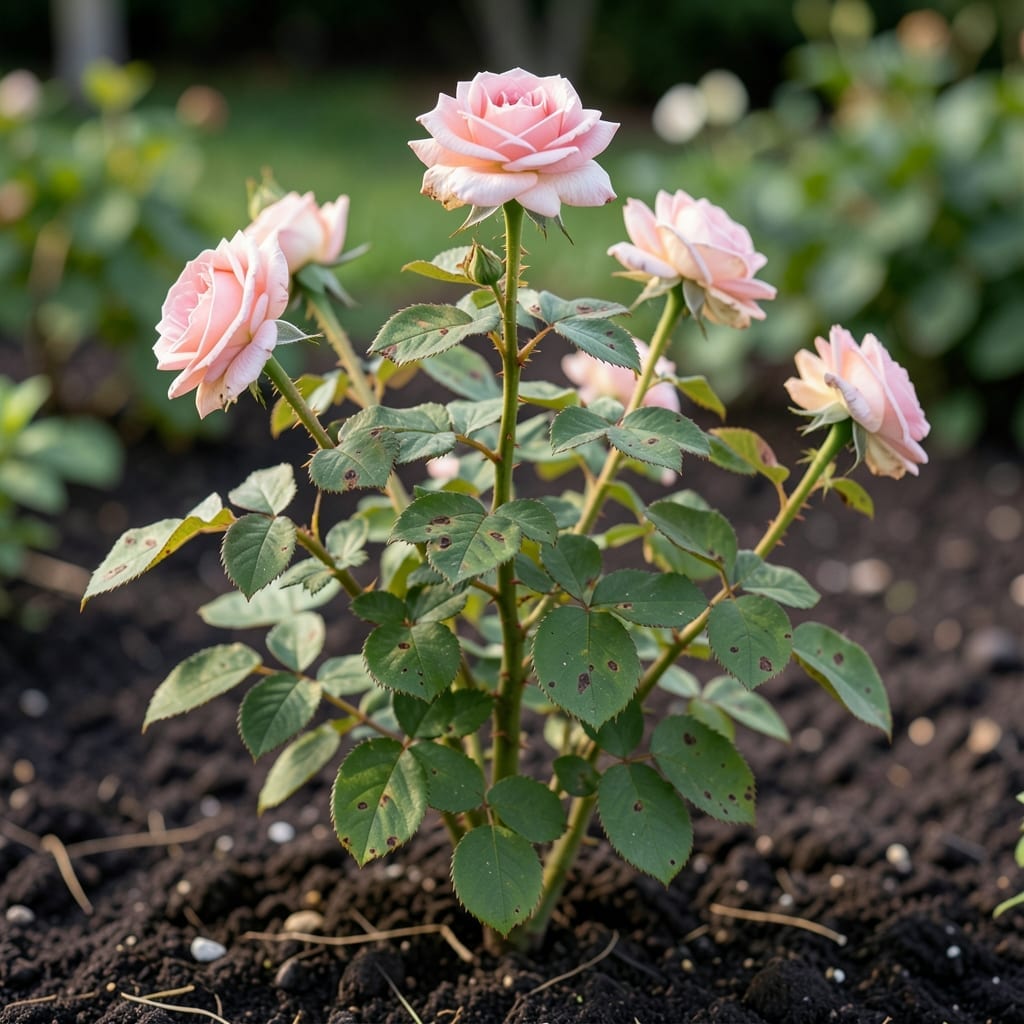
Those ugly brown spots on your rose leaves aren’t just unsightly—they’re stealing your plant’s strength. I’ve battled this exact problem in my garden, and the usual culprit is black spot fungus spreading like wildfire.
This sneaky invader thrives in wet, humid conditions, turning healthy dark green leaves into polka-dotted disasters. The good news? It’s completely treatable with simple organic solutions that won’t harm your roses or the environment.
You’ll see improvement within 7-10 days of starting treatment, with new growth emerging clean and strong. The key is consistency—catch it early and stick with the program.
Works for all rose varieties, from climbers to shrubs. Here’s how to fight back effectively.
Brown spots on your rose leaves are usually a sign of trouble—but the good news is, the causes are well-understood. Here’s a breakdown of the most common culprits, so you can diagnose and fix the issue fast.
The most frequent offender is Diplocarpon rosae, the fungus behind black spot disease. This pathogen thrives in warm, humid conditions (60–80°F with high moisture). Spores spread via water splashes, infecting leaves and causing circular brown spots with feathery edges. Without treatment, leaves yellow and drop, weakening the plant.
Wet foliage is a fungal party invitation. Watering roses from above (especially in the evening) leaves moisture on leaves overnight, giving spores time to germinate. Switch to drip irrigation or water at the base to keep leaves dry and reduce infection risk.
Crowded rose bushes or dense plantings trap humidity, creating a microclimate perfect for fungal growth. Prune for airflow—space plants at least 3 feet apart and remove dead or overlapping branches to let sunlight and breeze reach the center.
While less common, magnesium or potassium deficiencies can cause brown spotting. Magnesium deficiency often appears as yellowing between leaf veins, while potassium shortages may lead to scorched, crispy edges. A soil test can confirm if your roses need a nutrient boost.
Tackling brown spots on your rose leaves starts with identifying the cause and applying the right fix. Here’s a practical guide to common issues and their solutions:
Yes, fungal spores can travel via wind or water splashes. Remove affected leaves immediately and avoid overhead watering to prevent spreading to nearby roses or other plants.
With consistent organic treatments like neem oil or baking soda spray, you should see new growth emerging clean within 7-10 days. Existing spots won’t disappear but new ones will stop forming.
No, composting can spread the fungus. Seal infected leaves in a bag and dispose of them in the trash, or burn them if permitted in your area.
No, excessive moisture worsens fungal growth. Water only at the base in the morning, allowing leaves to dry quickly. Drip irrigation is the safest method.