
Beautiful Plants For Your Interior
Beautiful Plants For Your Interior
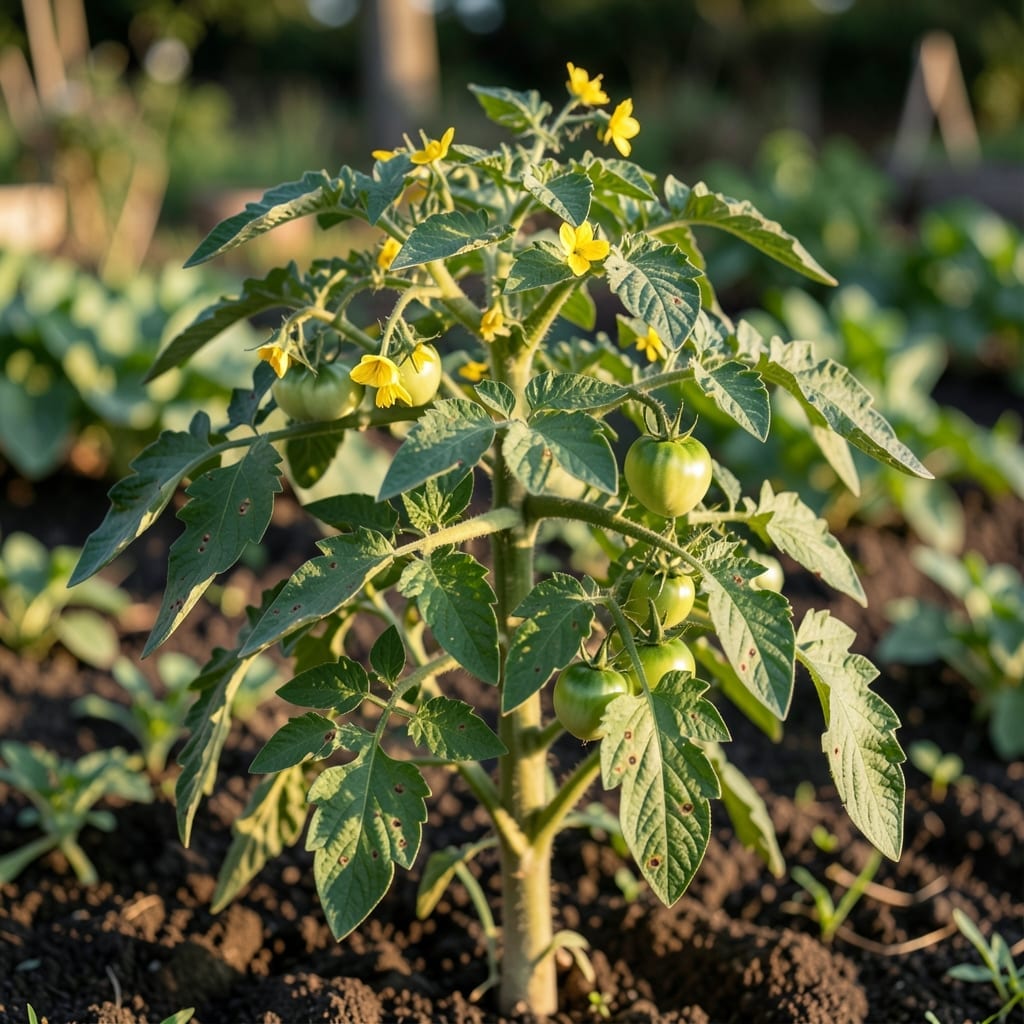
Those brown spots on your leaves aren’t just unsightly—they’re your plants crying for help. I’ve seen entire gardens go from vibrant to crispy in 48 hours when this issue goes unchecked.
The culprit is usually fungal, but don’t rule out pests or even your watering habits. Overwatering, poor air circulation, or splashing leaves with dirty tools can all trigger the same damage.
Here’s the thing—most cases clear up with 3 simple fixes: better airflow, cleaner tools, and a targeted fungicide. No fancy equipment needed, just consistent attention.
Left untreated, spots spread fast. Caught early, your plants bounce back stronger. This is fixable, and I’ll show you exactly how.
Brown spots on plants often signal underlying issues that disrupt their health. Understanding the root causes helps you address the problem effectively. Below are the most common culprits behind these unsightly blemishes.
Fungi like Alternaria, Cercospora, and Septoria thrive in warm, humid conditions, leading to circular or irregular brown lesions. These pathogens spread through spores, often splashing from soil or infected debris onto leaves. Overhead watering and poor air circulation exacerbate the issue.
Both overwatering and underwatering can cause brown spots. Overwatering leads to root rot, reducing the plant’s ability to absorb nutrients, while underwatering causes leaf edges to dry out and brown. Inconsistent moisture levels stress the plant, making it more susceptible to disease.
Extreme temperatures, sunburn, or sudden temperature fluctuations can scorch leaves, creating brown patches. Plants exposed to intense sunlight without acclimation or those near heat sources may develop localized browning. Cold drafts can also trigger similar symptoms.
A lack of essential nutrients like potassium, magnesium, or calcium often manifests as brown or yellowish spots. For example, potassium deficiency causes leaf edges to turn brown and crispy, while calcium deficiency leads to distorted growth with necrotic spots.
Insects such as spider mites, aphids, and thrips feed on plant sap, leaving behind small brown or yellow spots where they’ve pierced the tissue. Their feeding weakens the plant and can introduce secondary infections through open wounds.
Overuse of fertilizers, pesticides, or herbicides can cause chemical burns, resulting in brown, crispy spots. Always follow application guidelines and avoid treating plants during peak heat, as this increases the risk of foliage damage.
Here’s how to tackle brown spots on your plants, with solutions tailored to each common cause:
If fungal spots appear, prune affected leaves immediately with clean shears to prevent spread. Apply a copper-based fungicide or a DIY mix of 1 tsp baking soda + 1 quart water + a drop of dish soap. Spray every 7–10 days until spots vanish.
Prevention tip 💡: Improve airflow around plants and avoid overhead watering to keep foliage dry.
Let the soil dry out between waterings. Stick your finger 1–2 inches deep—if it’s damp, wait. Ensure pots have drainage holes, and use a well-draining soil mix. For potted plants, empty saucers after watering to avoid root rot.
Prevention tip 🌡️: Use a moisture meter to take the guesswork out of watering.
Inspect leaves for pests like spider mites or aphids. Blast them off with water or apply neem oil or insecticidal soap. Repeat treatment every 3–5 days until pests are gone.
Prevention tip ✨: Regularly wipe leaves with a damp cloth to deter pests and keep plants healthy.
Move plants to a spot with indirect light or use shade cloth during peak sun hours (10 AM–4 PM). If spots are mild, the plant may recover on its own once protected.
Prevention tip 🎯: Gradually acclimate plants to brighter light to avoid shock.
Use a balanced fertilizer (10-10-10) or a product rich in the missing nutrient (e.g., magnesium for yellowing between veins). Follow package instructions—over-fertilizing can worsen the issue.
Prevention tip 🌱: Test soil every 6 months to catch deficiencies early.
Yes, if caused by fungal infections or pests. Isolate affected plants immediately and treat with neem oil or fungicide. Always disinfect tools between uses to prevent contamination.
Fungal spots often have ring-like patterns or fuzzy growth. Pest damage appears as tiny dots or webbing. Check leaf undersides for insects to confirm.
Pruning removes infected areas, stopping the spread. Use clean shears and cut 1 inch below visible damage. Dispose of clippings in sealed bags, not compost.
Excess fertilizer burns roots and leaves, creating crispy brown edges. Always follow package rates and fertilize during active growth periods only.