
Beautiful Plants For Your Interior
Beautiful Plants For Your Interior
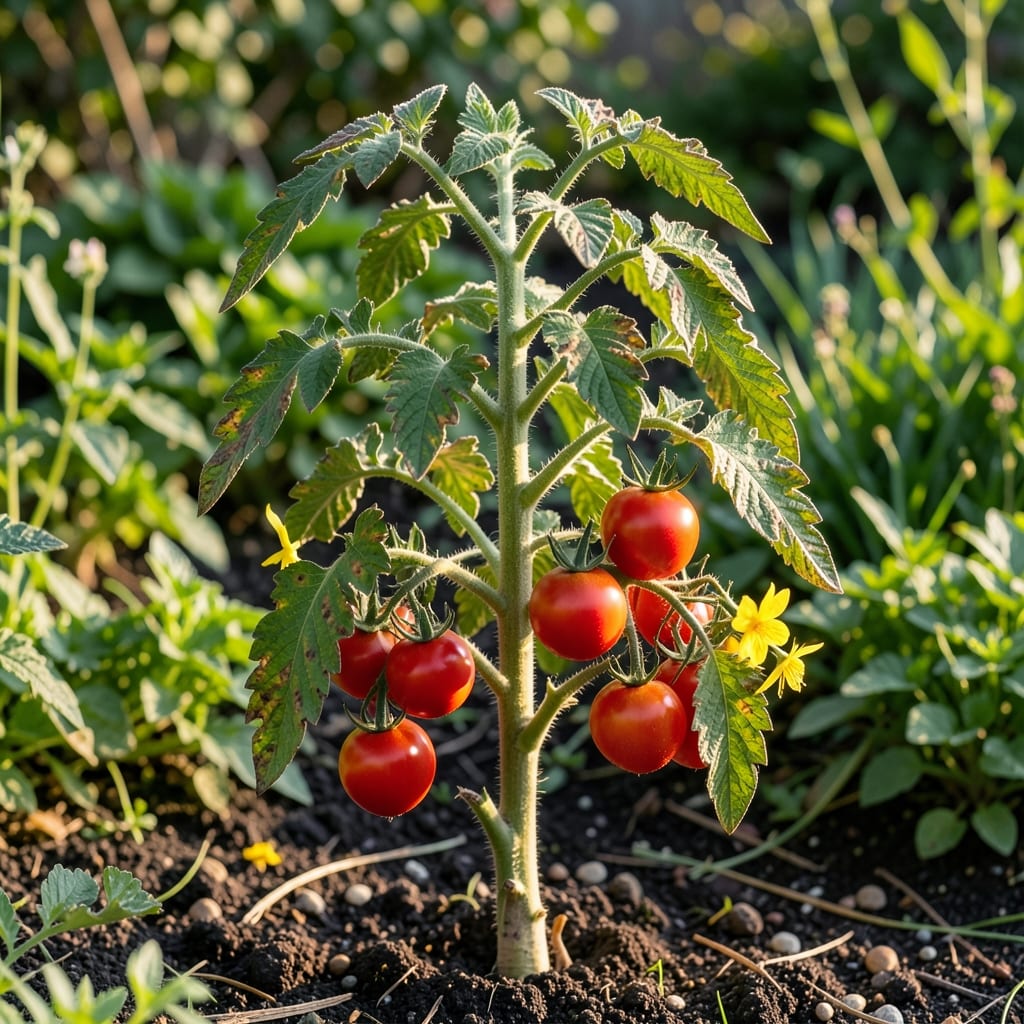
That sinking feeling when you spot brown leaves on your tomato plants never gets easier. I’ve been there—watching healthy green foliage turn crispy overnight, wondering what went wrong.
Here’s the thing—brown leaves usually mean one of four things: too much water, not enough, hungry roots, or sneaky pests. The good news? Each has a simple fix once you know what you’re dealing with.
I keep a garden journal now, and tracking watering schedules and leaf changes has saved my plants more times than I can count. Small adjustments make a big difference.
With the right approach, your tomatoes can bounce back stronger. Let’s figure out which solution fits your situation.
Brown leaves on your tomato plants are often a distress signal, and pinpointing the cause is key to revival. Here’s a breakdown of the most common culprits:
Tomatoes thrive in a Goldilocks zone of 70–85°F (21–29°C). Heat stress above 90°F (32°C) scalds leaves, turning edges brown and crispy, while frost or chilly nights (<50°F/10°C) trigger cellular damage, leading to dark, wilted spots. Act fast: Use shade cloth for heat or row covers for cold snaps.
Both overwatering and underwatering stress roots, disrupting nutrient uptake. Soggy soil suffocates roots, causing yellowing that turns brown, while drought leads to dry, brittle foliage. Check soil: Stick your finger 2 inches deep—moist but not muddy is ideal. Water deeply 1–2 times weekly, adjusting for rain.
Pathogens like Early Blight (Alternaria solani) or Bacterial Leaf Spot (Xanthomonas) create concentric brown rings or speckles. These thrive in humid, crowded conditions. Prevent spread: Remove infected leaves immediately, improve airflow, and avoid overhead watering. Copper fungicides can help for organic control.
A lack of magnesium (interveinal yellowing turning brown) or potassium (edges browning like “scorching”) often mimics disease. Test soil pH (aim for 6.0–6.8); imbalances block nutrient absorption. Fix it: Add Epsom salt (magnesium) or wood ash (potassium) to the soil.
Sap-sucking pests like spider mites or aphids drain plant vitality, leaving stippled brown or curled leaves. Inspect undersides of leaves for webbing or tiny bugs. Blast them off with water or apply neem oil for a natural remedy.
Once you’ve identified the cause, these targeted fixes can nurse your tomato plants back to health—and keep them thriving.
Check the soil 2 inches deep: if it’s bone-dry, water deeply at the base (avoid wetting leaves) and mulch with straw to retain moisture. If soggy, hold off watering and improve drainage by amending soil with compost or perlite. Prevention tip: 💡 Use a moisture meter or the finger test—water when the top inch feels dry.
Yellowing lower leaves? Likely nitrogen deficiency—apply a balanced organic fertilizer or compost tea. Purple stems or leaf veins? Add phosphorus (bone meal) or potassium (wood ash). Prevention tip: 🌱 Test soil annually and rotate crops to avoid depletion.
For aphids or whiteflies, spray with neem oil or insecticidal soap. Fungal issues (like early blight) need copper fungicide and removing affected leaves. Prevention tip: ✨ Space plants for airflow, avoid overhead watering, and plant resistant varieties like ‘Mountain Merit’.
If leaves crisp at the edges, provide afternoon shade with a cloth or taller companion plants. Keep soil moist (not soggy) and mulch to cool roots. Prevention tip: 🌡️ Plant heat-tolerant varieties like ‘Solar Fire’ and water in early morning.
For wilted, brown-edged leaves after planting, trim damaged foliage and water with a seaweed solution to reduce stress. Prevention tip: 🎯 Harden off seedlings gradually and plant on cloudy days.
No, once leaves turn brown, they won’t recover. Remove them to help the plant focus energy on healthy growth.
Water consistently at the base, not the leaves. Use mulch to retain moisture and protect from temperature swings.
Yes, prune affected leaves right away using clean shears. This prevents disease spread and improves airflow.
Try disease-resistant types like Mountain Merit or Solar Fire for heat tolerance.