
Beautiful Plants For Your Interior
Beautiful Plants For Your Interior
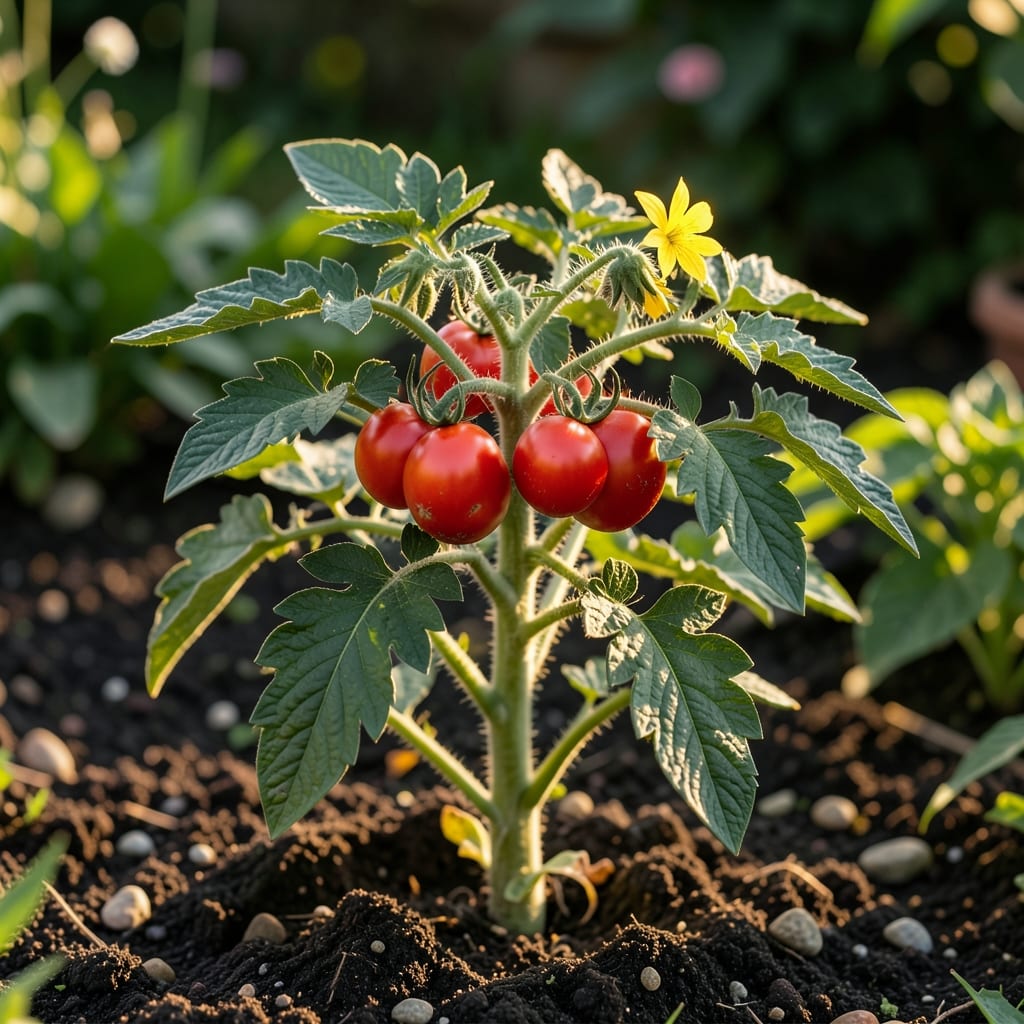
Yellow leaves on your Brandywine tomatoes hit different. I’ve watched healthy plants turn sallow overnight, and it’s never just one culprit. Usually it’s water stress, soil issues, or a nutrient imbalance creeping in.
Here’s the thing—Brandywines are heavy feeders that need consistent moisture without soggy roots. Check soil with your finger first (my go-to move) before assuming it’s thirsty or drowning. Most problems show up on lower leaves before spreading.
Organic fixes work fast once you pinpoint the issue. A compost tea boost often greens them up within a week, while mulching helps regulate moisture. Prevention beats cure every time with these finicky heirlooms.
Between you and me, keeping a garden journal helped me spot patterns. Now I catch leaf changes early and adjust before it’s too late.
The yellowing of Brandywine tomato leaves is rarely random—it’s a distress signal tied to specific, fixable causes. Below are the most common culprits, explained in plain science so you can act fast.
Nitrogen, magnesium, or potassium shortages are top offenders. Nitrogen deficiency starts in older leaves, turning them pale yellow while veins stay green. Magnesium deficiency causes interveinal chlorosis—yellow patches between veins, often on lower leaves first. Potassium deficits trigger yellow edges (scorching) on older leaves.
Too much water drowns roots, blocking oxygen uptake and nutrient transport, leading to uniform yellowing. Too little water causes wilting followed by crispy, yellow edges. Brandywines, with their deep roots, are especially sensitive to inconsistent moisture.
Early blight (Alternaria solani) creates brown spots with yellow halos on lower leaves. Septoria leaf spot shows tiny circular lesions. Bacterial leaf spot (Pseudomonas syringae) causes water-soaked yellow spots that turn necrotic. These thrive in wet foliage and poor air circulation.
Viral infections (e.g., Tomato Yellow Leaf Curl Virus) curl and yellow leaves from the bottom up, often stunting growth.
Aphids, whiteflies, and spider mites suck sap from leaves, causing stippling, curling, and yellowing. Aphids also excrete honeydew, promoting sooty mold. Nematodes in the soil attack roots, leading to general decline and yellowing as nutrient uptake fails.
Brandywines hate temperature swings. Heat stress (above 90°F) or cold snaps (below 50°F) disrupt chlorophyll production, causing pale or yellow leaves. Excessive sunlight without shade can also scorch leaves, while poor drainage leads to root rot and nutrient lockout.
If your Brandywine tomato plant leaves are looking sad, don’t worry—most issues are fixable with a few simple steps. Below are targeted solutions for common problems, along with prevention tips to keep your plants thriving.
Fix: Test your soil to identify missing nutrients. For nitrogen deficiency, add compost or a balanced organic fertilizer. If magnesium is lacking, sprinkle Epsom salt (1 tablespoon per gallon of water) around the base. For iron issues, use chelated iron or amend soil with sulfur to lower pH.
Prevent: Feed plants with compost tea every 2–3 weeks and rotate crops to avoid soil depletion.
Fix: Adjust your watering routine. Underwatered plants need deep soaking (1–2 inches per week). For overwatered plants, let soil dry slightly between waterings and improve drainage with mulch or raised beds. Trim severely damaged leaves to redirect energy.
Prevent: Use drip irrigation for consistent moisture and water early in the day to reduce evaporation.
Fix: Spray leaves with a mix of neem oil (1 tsp per quart of water) or insecticidal soap to deter pests. For severe infestations, introduce beneficial insects like ladybugs. Wipe leaves gently with soapy water to remove visible bugs.
Prevent: Plant companion herbs like basil or marigolds to repel pests naturally. Inspect leaves weekly for early signs.
Fix: Remove infected leaves immediately and discard (do not compost). Apply copper fungicide or a baking soda spray (1 tbsp baking soda + 1 tsp dish soap per gallon of water). Prune plants to improve airflow.
Prevent: Space plants 2–3 feet apart, water at the base (not leaves), and rotate crops yearly. 💡 Pro tip: Mulch with straw to prevent soil-borne spores from splashing onto leaves.
Curling often signals underwatering or over-fertilization. Check soil moisture first—1-2 inches down should feel slightly damp. If soil is fine, reduce fertilizer as excess salts can burn roots. Viruses like TYLCV also cause curling.
Water deeply 2-3 times per week, delivering 1-2 inches total. Always water at the base in the morning to prevent fungal growth. Adjust based on weather—daily in extreme heat, less in cool spells.
Unfortunately, once leaves yellow they won’t recover. Focus on fixing the underlying issue to save the rest of the plant. Remove severely yellowed leaves to redirect energy to healthy growth.
Not always. Brown spots can mean early blight, but also sunscald or water stress. Check lower leaves first—disease spots often start there. If spots are dry and papery, it’s likely environmental.