
Beautiful Plants For Your Interior
Beautiful Plants For Your Interior
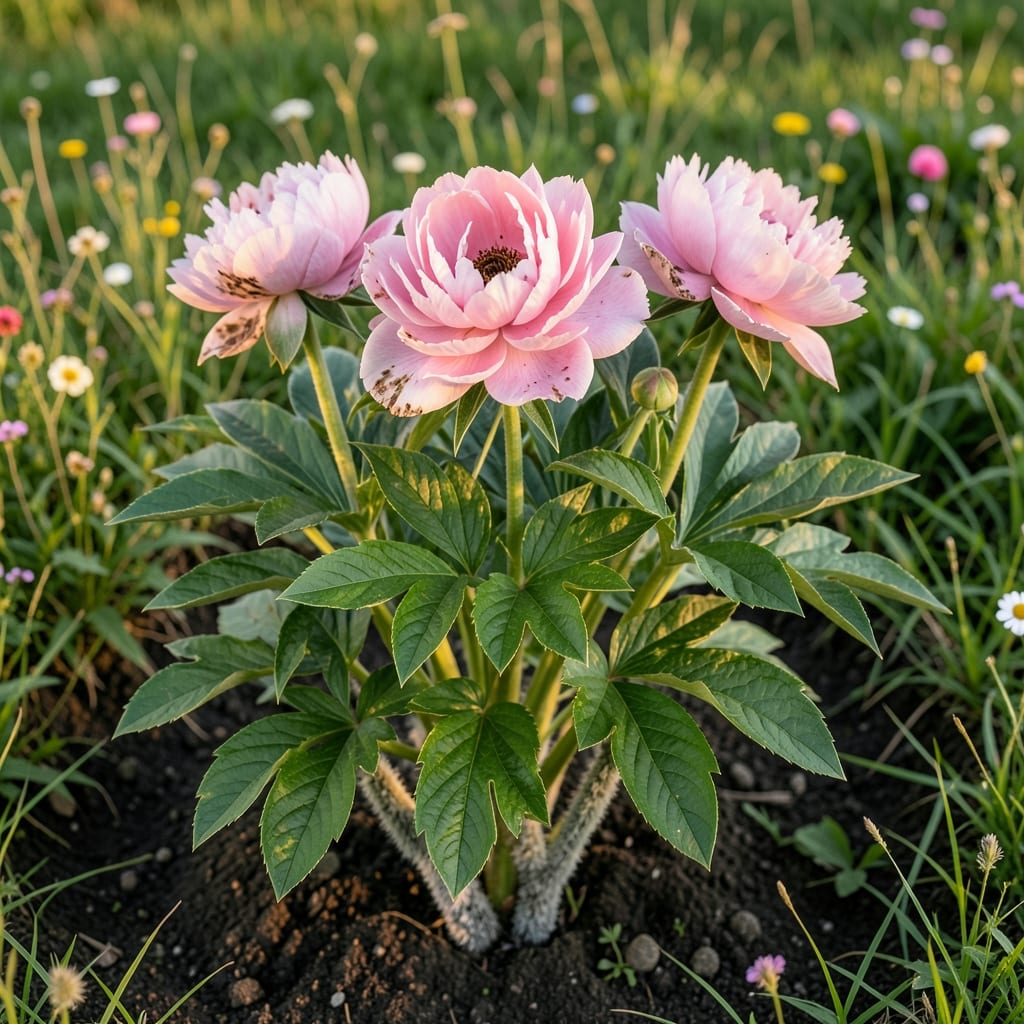
Gray mold on your peony buds doesn’t mean the end of your blooms. I’ve battled botrytis blight in my garden more times than I care to admit, and I’ve learned what actually stops it in its tracks.
Spotting the early signs—brown spots, fuzzy growth—lets you act before it spreads. With the right prevention and treatment, your peonies can bounce back stronger and bloom healthier than ever next season.
📚 In This Guide
Here’s what I do to keep peonies thriving and free from gray mold.
Start by examining your plants closely in early spring when new shoots emerge. Look for brown or black spots on stems, leaves, or buds—these are the first signs. I check in the morning when foliage is still damp, as that’s when symptoms are most visible.
Using clean, sharp pruners, cut off any infected parts immediately. Remove at least 2-3 inches below the visible damage to ensure you get all the fungus. Destroy the infected material—don’t compost it, as the spores can survive and spread.
Botrytis thrives in damp, still conditions, so proper airflow is your best defense. Space peonies at least 3-4 feet apart to allow air to move freely between plants. I thin out crowded stems in the center of established plants to open up the canopy.
Water at the base of the plant in the morning so foliage has time to dry before evening. Avoid overhead watering entirely, especially in cool, wet weather. If your garden stays humid, consider running a small fan on low near plants during damp periods.
I spray a copper-based fungicide or a mix of 1 teaspoon baking soda per quart of water with a drop of dish soap every 7-10 days during the growing season, especially in spring and early summer. Start applications when shoots are 6 inches tall and continue until blooms open.
Apply in the early morning or late evening to avoid burning leaves in hot sun. Cover both sides of leaves and stems thoroughly—the fungus hides in tiny crevices. Reapply after rain, as it washes away protection.
At the end of the season, cut all foliage back to the ground after the first hard frost. This removes any lingering spores before they can overwinter. I bag and trash all plant debris instead of composting it to prevent reinfection.
Disinfect your pruners with a 10% bleach solution or rubbing alcohol between cuts and between plants. This simple step stops you from accidentally spreading the fungus from one peony to another during cleanup.
If botrytis is a recurring problem, your plants might be in the wrong spot. Peonies need full sun (at least 6 hours daily) and well-draining soil. I’ve moved problem plants to sunnier locations with better air movement, and the difference was dramatic.
Avoid planting near walls, fences, or dense shrubs where air doesn’t circulate well. Raised beds can help in wet climates by improving drainage. Healthy, stress-free plants are always more resistant to disease.
These practical insights will help you stay ahead of problems before they start.
Early Detection Tip: In Step 1, check plants in the morning when foliage is damp—symptoms are most visible then. I learned the hard way that brown or black spots spread fast, so act immediately when you see them.
The Airflow Factor: For Step 2, spacing plants 3-4 feet apart makes a real difference. I use a small fan on low during humid periods to keep air moving, which helps prevent that damp, still environment botrytis loves.
Timing Matters: In Step 3, start fungicide applications when shoots are 6 inches tall and continue every 7-10 days through early summer. I reapply after rain since it washes away protection, and always spray in early morning or late evening to avoid leaf burn.
Fallback Prevention: For Step 4, that 10% bleach solution for disinfecting pruners is non-negotiable. Between us, I used to skip this until I realized I was spreading the fungus myself. Now I clean between every cut and every plant.
Look for grayish-brown mold, wilting stems, or blackened buds. Infected areas may appear fuzzy, especially in humid conditions. Early detection helps prevent spread.
Treat at the first sign of infection or as a preventive measure in early spring. Regular applications during wet seasons can protect new growth and blooms.
Yes! A baking soda solution (1 tsp per quart of water) or neem oil can help. Remove infected parts first to reduce spores. Always test on a small area first.
Overcrowding, poor air circulation, or excessive moisture can encourage fungal growth. Space plants properly, avoid overhead watering, and clean up fallen debris.
If left untreated, severe infections can weaken or kill peonies. Prompt action—pruning infected parts and applying fungicides—can save your plants and future blooms.