
Beautiful Plants For Your Interior
Beautiful Plants For Your Interior
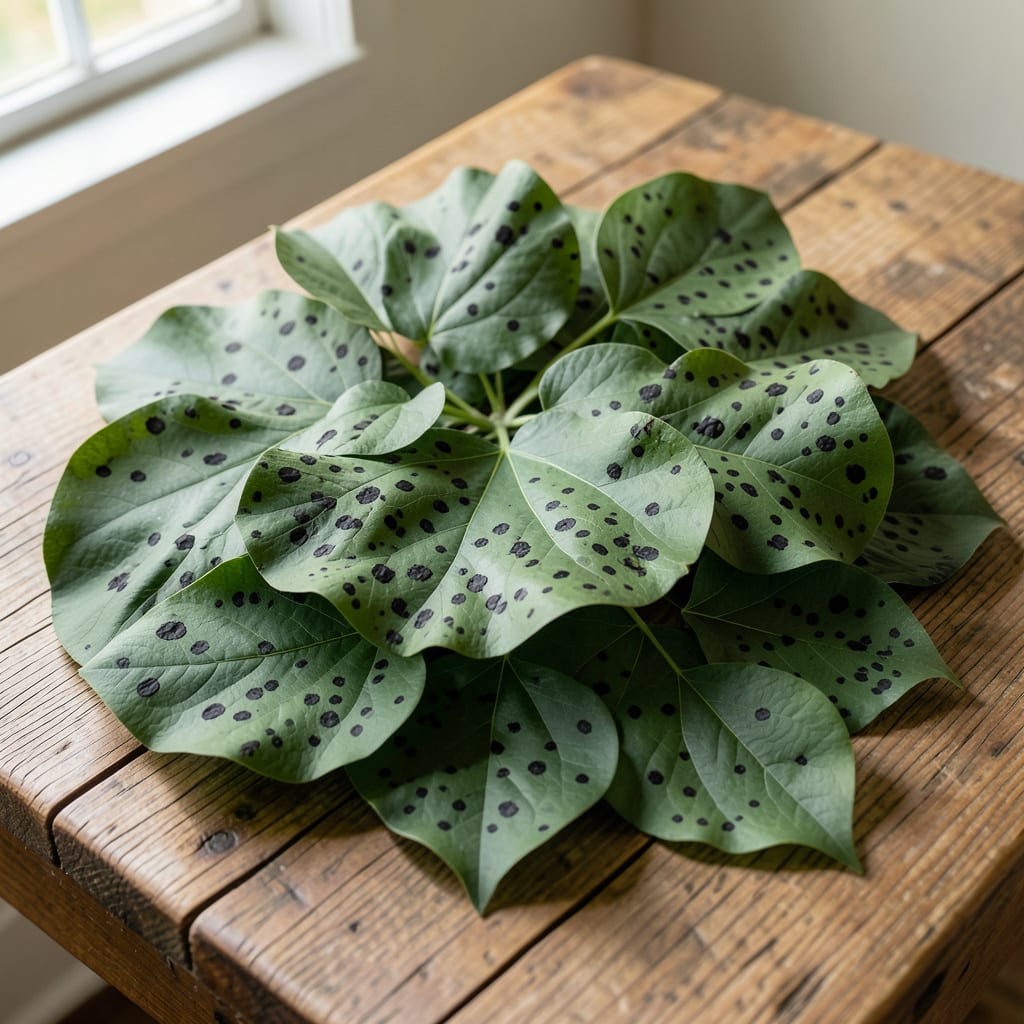
Those ugly black spots on your peony leaves aren’t just unsightly—they’re a red flag. I’ve seen entire plants defoliate by midsummer because this got ignored.
Leaf blotch fungus thrives in wet, crowded conditions. The spots start small and dark, then merge into irregular patches with yellow halos. It spreads fast when leaves stay damp for 6+ hours.
Here’s the thing—once you see the spots, the fungus is already established. But catching it early means you can stop the spread and save next year’s blooms.
Simple fixes work: improve air flow, remove infected leaves, and apply the right treatment at the right time. Your peonies can bounce back stronger.
Black spots on peony leaves are usually a sign of underlying issues, often tied to environmental conditions or pathogens. Below are the most common causes, explained with actionable insights.
Peony leaf blotch (Cladosporium paeoniae) is the primary fungal culprit. This pathogen thrives in cool, wet conditions, spreading via spores that overwinter in plant debris. Infected leaves develop purple-black spots that enlarge and merge, weakening the plant. Poor air circulation and overhead watering exacerbate the problem.
Overwatering or high humidity creates an ideal breeding ground for fungi and bacteria. Peonies prefer well-draining soil; soggy roots or prolonged leaf wetness (e.g., from sprinklers) stress the plant, making it susceptible to spot-forming pathogens like Botrytis (gray mold).
Dense plantings or crowded garden beds restrict airflow, trapping moisture on foliage. This stagnant environment accelerates fungal spore germination. Thin out nearby plants and space peonies at least 3–4 feet apart to improve ventilation.
While less common, potassium or phosphorus deficiencies can manifest as dark, irregular spots on leaves. These nutrients support cellular health; their absence weakens the plant’s natural defenses. A balanced fertilizer (e.g., 10-10-10) applied in early spring can prevent this.
Insects like aphids or thrips pierce leaf tissues, creating entry points for secondary infections. Their feeding can also cause blackened, necrotic spots from toxin injection. Inspect leaves for pests and treat with neem oil or insecticidal soap if detected.
Tackling those unsightly black spots on your peony leaves starts with identifying the cause. Here’s how to treat each issue and keep your plants thriving:
Remove infected leaves immediately and dispose of them in the trash (not compost). Apply a copper-based fungicide or neem oil spray every 7–10 days until the spots disappear. For severe cases, use a systemic fungicide like Propiconazole.
Prevention: Improve air circulation by spacing plants 3–4 feet apart. Water at the base in the morning to allow foliage to dry quickly. 💡 Pro tip: Mulch with straw to prevent soil splash, which spreads spores.
Blast pests off with a strong stream of water, then apply insecticidal soap or horticultural oil. For Japanese beetles, handpick them in the early morning when they’re sluggish. Introduce beneficial insects like ladybugs for long-term control.
Prevention: Inspect leaves weekly for eggs or larvae. Use floating row covers early in the season to block pests.
If overwatering or poor drainage is the culprit, adjust your watering schedule to 1 inch per week (including rainfall). For sunburn, provide afternoon shade in extreme heat. Trim nearby plants if competition for light is an issue.
Prevention: Plant peonies in well-draining soil with 6–8 hours of sunlight. 💡 Pro tip: Add compost to improve soil structure and moisture balance.
Apply a balanced fertilizer (10-10-10) in early spring, or use a soil test to target specific deficiencies. For iron deficiency (common in high-pH soil), treat with chelated iron.
Prevention: Test soil every 2–3 years and amend with organic matter. Avoid over-fertilizing, which can stress plants.
Consistency is key—monitor your peonies regularly and act at the first sign of trouble to keep them healthy and spot-free!
Yes, fungal spores can travel via wind, water splash, or gardening tools. Isolate affected peonies and avoid overhead watering to prevent spreading.
No, composting may not kill fungal spores. Always dispose of infected foliage in the trash, not compost, to avoid reinfection next season.
With proper treatment, yes! Remove infected leaves, apply fungicide, and ensure good airflow. Healthy growth next spring depends on this season’s care.
Apply copper-based fungicide every 7-10 days during wet weather. Stop when leaves stay dry for 2+ weeks.
