
Beautiful Plants For Your Interior
Beautiful Plants For Your Interior
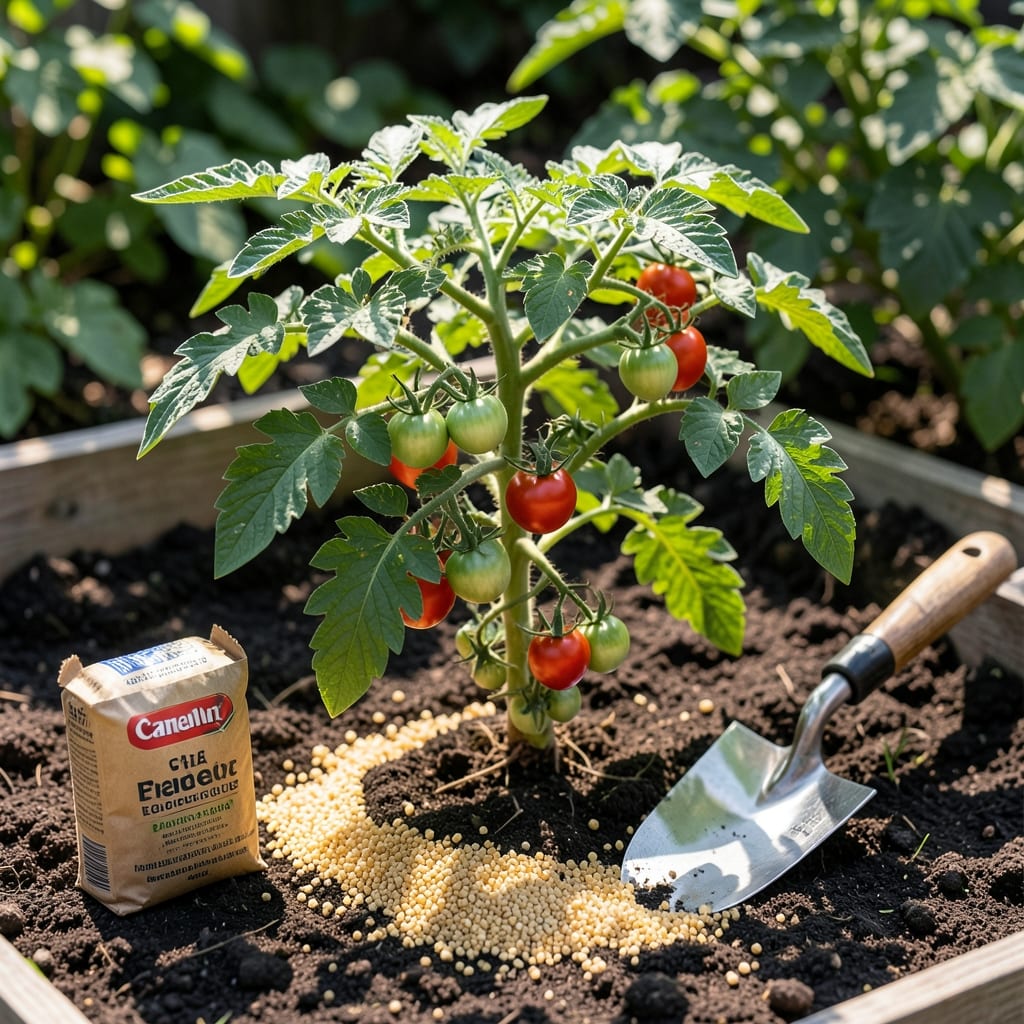
Phosphorus in bone meal fuels ATP production, the energy currency of plant cells. This drives root growth and flowering by accelerating cell division in meristem tissues. Without it, plants struggle to develop strong root systems or produce abundant blooms.
The phosphorus in bone meal is typically 15-20% P2O5, releasing slowly as soil microbes break down the organic matter. 🔥
Calcium acts as a structural architect in plants, reinforcing cell walls with calcium pectate. This keeps stems sturdy and prevents disorders like blossom end rot, common in tomatoes and peppers. Bone meal provides 20-25% calcium, which also helps neutralize acidic soils, making other nutrients more accessible to roots.
The synergy between phosphorus and calcium enhances nutrient uptake efficiency. ✨
Root absorption of these nutrients depends on soil pH. Phosphorus is most available at a pH of 6.0-7.5, while calcium remains accessible across a broader range. In acidic soils, adding bone meal not only fertilizes but also buffers pH, creating a more hospitable environment for nutrient uptake. This dual action makes it a garden powerhouse.
💫
Microbes play a crucial role in breaking down bone meal’s organic compounds. Beneficial fungi like mycorrhizae form symbiotic relationships with roots, expanding their surface area by 100-1000x. This partnership significantly boosts phosphorus absorption, explaining why organic gardeners often see dramatic improvements in plant vitality. 🌟
The slow-release nature means effects last 4-6 months, providing consistent nourishment. Unlike synthetic fertilizers that can leach away quickly, bone meal’s organic composition ensures nutrients remain available as plants need them. This makes it ideal for long-term soil health and sustained growth. ⚡
Flowering plants like roses, tomatoes, and peppers gain the most, as they need extra phosphorus for blooms and fruit production. Root crops such as carrots and beets also respond well to the calcium and phosphorus boost.
You’ll typically notice improved growth within 2-4 weeks of application, but full benefits appear after 4-6 months as the nutrients slowly release. Patience pays off with stronger, more productive plants.
Yes, but use sparingly—mix 1 teaspoon into the potting soil for small containers. Avoid overdoing it, as excess phosphorus can harm sensitive houseplants like ferns or ivy.
Overuse is common, especially in clay soils that hold nutrients tightly. If levels are high, skip applications for a season and focus on nitrogen or potassium instead.