
Beautiful Plants For Your Interior
Beautiful Plants For Your Interior
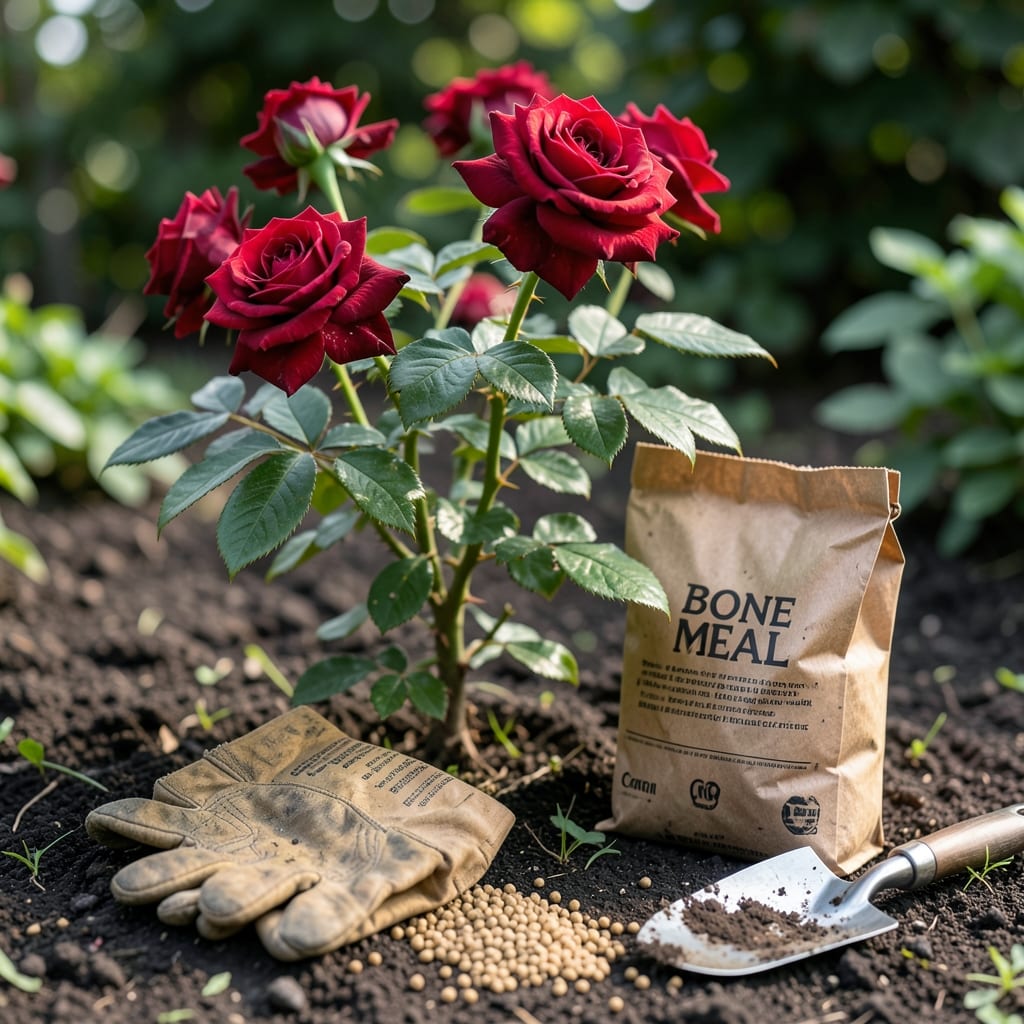
Bone meal provides phosphorus to rose bushes, promoting stronger roots and abundant blooms. Apply it at planting time and early spring, mixing 1-2 tablespoons into the soil around each plant.
I’ve seen roses thrive when given this nutrient boost, as phosphorus directly fuels their root systems and flowering potential. 🌟 It’s particularly effective in acidic to neutral soils where phosphorus availability might be limited. For best results, work it into the top 6 inches of soil and water thoroughly afterward.
💡 In This Article
Phosphorus is the powerhouse nutrient in bone meal, making up about 15-20% of its composition. This element is critical for ATP production—the energy currency that fuels cellular division and growth in your rose bushes. Without adequate phosphorus, roots grow weakly and blooms become sparse.
What sets bone meal apart is its slow-release formulation. The phosphorus exists as calcium phosphate, which gradually breaks down in acidic soil (pH 6.0-7.0) over 2-4 months. This steady supply prevents the nutrient spikes that can occur with synthetic fertilizers, which often wash away before plants can utilize them. 🌟
The root development impact is dramatic. Studies show phosphorus-enhanced roses can develop root systems 30-40% more extensive than untreated plants. These robust roots access water and nutrients more efficiently, making your roses more drought-resistant and vigorous.
For flowering, phosphorus plays a direct role in bud formation and bloom size. The nutrient stimulates the production of auxins and gibberellins—hormones that regulate flower development. This is why bone meal-treated roses often produce larger, more abundant blooms with richer colors.
Unlike water-soluble fertilizers, bone meal’s organic composition improves soil structure over time. The calcium content (20-25%) helps loosen clay soils while the organic matter increases water retention in sandy soils. This dual action creates an ideal growing environment for your roses. ✨
One often-overlooked benefit is bone meal’s ability to support beneficial soil microbes. The organic compounds feed mycorrhizal fungi, which form symbiotic relationships with rose roots, dramatically increasing nutrient absorption efficiency. This microbial boost can improve phosphorus availability by up to 300%.
Use it once in early spring and again at planting time. Avoid more frequent applications, as excessive phosphorus can harm your plants. Always water thoroughly after applying.
It works well for most flowering plants that need strong root systems and abundant blooms. Try it with peonies, lilacs, or hydrangeas for similar benefits.
Overuse can lead to phosphorus buildup, which may block other nutrients like iron and zinc. Stick to 1-2 tablespoons per plant and test your soil every 2-3 years.
Yes, it’s a natural, organic product made from animal bones. Just ensure it’s labeled as steamed bone meal to avoid any pathogens.