
Beautiful Plants For Your Interior
Beautiful Plants For Your Interior
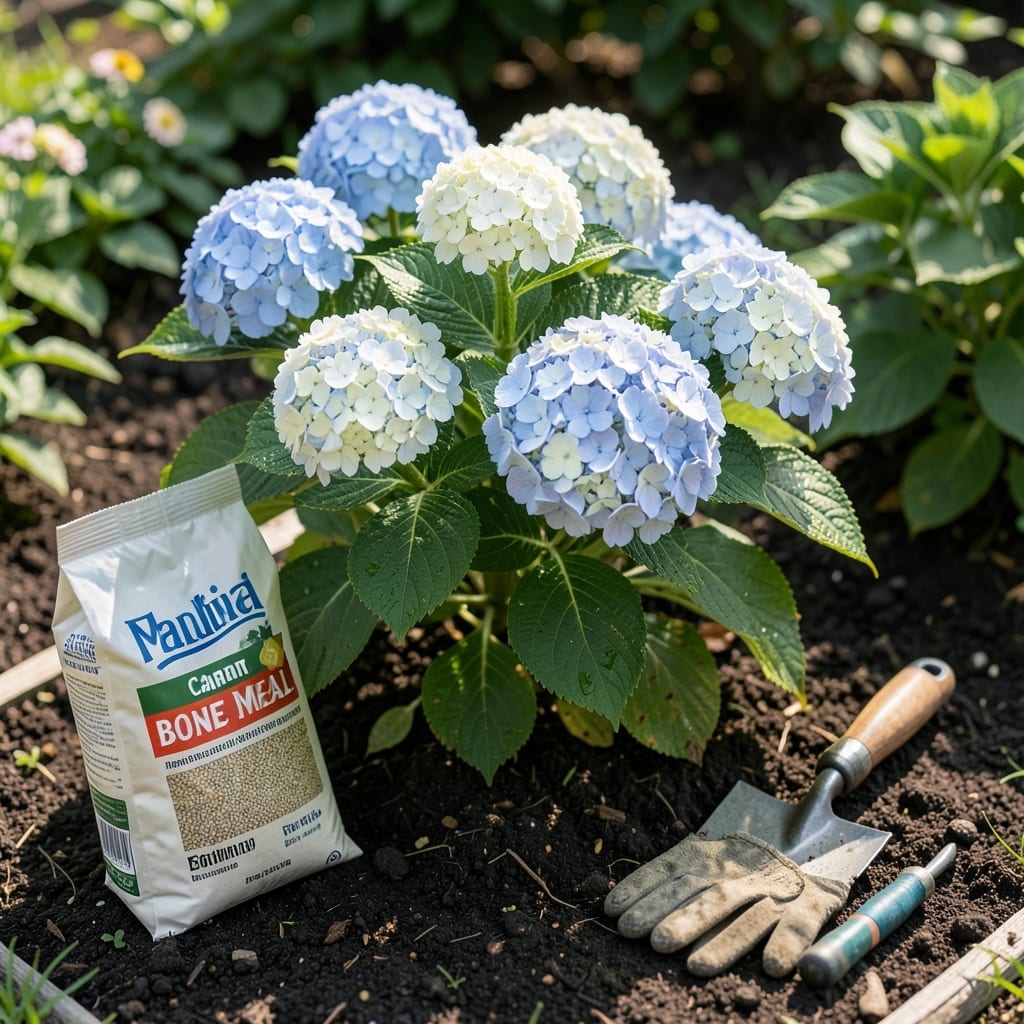
Struggling with lackluster 🌸 Hydrangea blooms that just won’t pop? You’re not alone, and the solution might be simpler than you think.
Bone meal could be the natural boost your garden needs. This organic phosphorus powerhouse works wonders for vibrant, abundant flowers—but only when applied the right way.
I’ve seen firsthand how the proper use of this amendment transforms Hydrangea shrubs from mediocre to magnificent. The key lies in understanding when and how to use it effectively.
Discover how to harness this natural fertilizer to bring your blooms to life. Let’s dig into the details that will make all the difference.
I’ve found that bone meal is a game-changer for hydrangeas struggling with weak blooms. Its high phosphorus content directly fuels flower production and root development, giving your shrubs the boost they need for vibrant, abundant blossoms.
Phosphorus is the secret ingredient behind strong hydrangea blooms. It helps transfer energy from roots to flowers, ensuring your shrubs produce those big, colorful clusters we all love. Without enough, plants often grow leggy and weak with fewer flowers. 🌸
| Benefit | How It Works |
|---|---|
| Root Growth | Phosphorus stimulates root development for stronger plants |
| Flower Production | Essential for bud formation and bloom size |
| Disease Resistance | Strengthens plant cells against pests and diseases |
| Energy Transfer | Helps move nutrients from soil to blooms |
What makes bone meal special is its slow-release phosphorus. Unlike synthetic fertilizers, it breaks down gradually, providing a steady nutrient supply that won’t overwhelm your hydrangeas or leach into the soil.
For best results, I always test soil first. Hydrangeas thrive when soil pH is between 5.2-6.2. If your soil is already high in phosphorus, adding bone meal won’t help and could cause nutrient imbalances. 🌱
I’ve seen dramatic improvements in hydrangeas that were previously struggling to bloom. After applying bone meal in early spring, many gardeners report larger flowers and more vibrant colors by summer.
The organic nature of bone meal also improves soil structure over time. It encourages beneficial microbes that help break down nutrients, making them more accessible to roots. This creates a healthier growing environment overall. ✂️
Remember that hydrangea color is influenced by soil pH, not phosphorus. Bone meal won’t change blue to pink blooms or vice versa, but it will make whatever color your hydrangea produces more vibrant and abundant.
For established hydrangeas, I recommend working 1-2 tablespoons of bone meal into the soil around the base in early spring. For new plantings, mix 1/4 cup into the planting hole to give roots a strong start.
One thing to watch for is over-application. Too much bone meal can lead to excess phosphorus, which may tie up other nutrients like iron and zinc. Always follow package instructions and test your soil first for the best results. 🌿
Timing is everything when it comes to bone meal for hydrangeas. I always apply it in early spring or fall to give the phosphorus time to break down and nourish the roots. This aligns perfectly with the plant’s growth cycles.
For best results, I mix 2-3 tablespoons of bone meal into the top 6 inches of soil around each hydrangea. This ensures the nutrients reach the root zone where they’re needed most.
I never top-dress bone meal on dry soil. Always water the area first, apply the meal, then water again. This prevents nutrient runoff and helps the phosphorus penetrate deeper.
One mistake I see often is using bone meal on phosphorus-rich soils. If your soil test shows high phosphorus levels, skip the bone meal and focus on other nutrients like nitrogen or potassium.
For established hydrangeas, I like to create a trench around the drip line, add the bone meal, then cover with soil. This method delivers nutrients directly to the active root zone.
Remember, bone meal is slow-release, so don’t expect overnight miracles. With consistent use, you’ll see stronger stems and more abundant blooms within 6-8 weeks.
I’ve found that pairing bone meal with compost gives even better results, as the organic matter helps break down the phosphorus more efficiently