
Beautiful Plants For Your Interior
Beautiful Plants For Your Interior
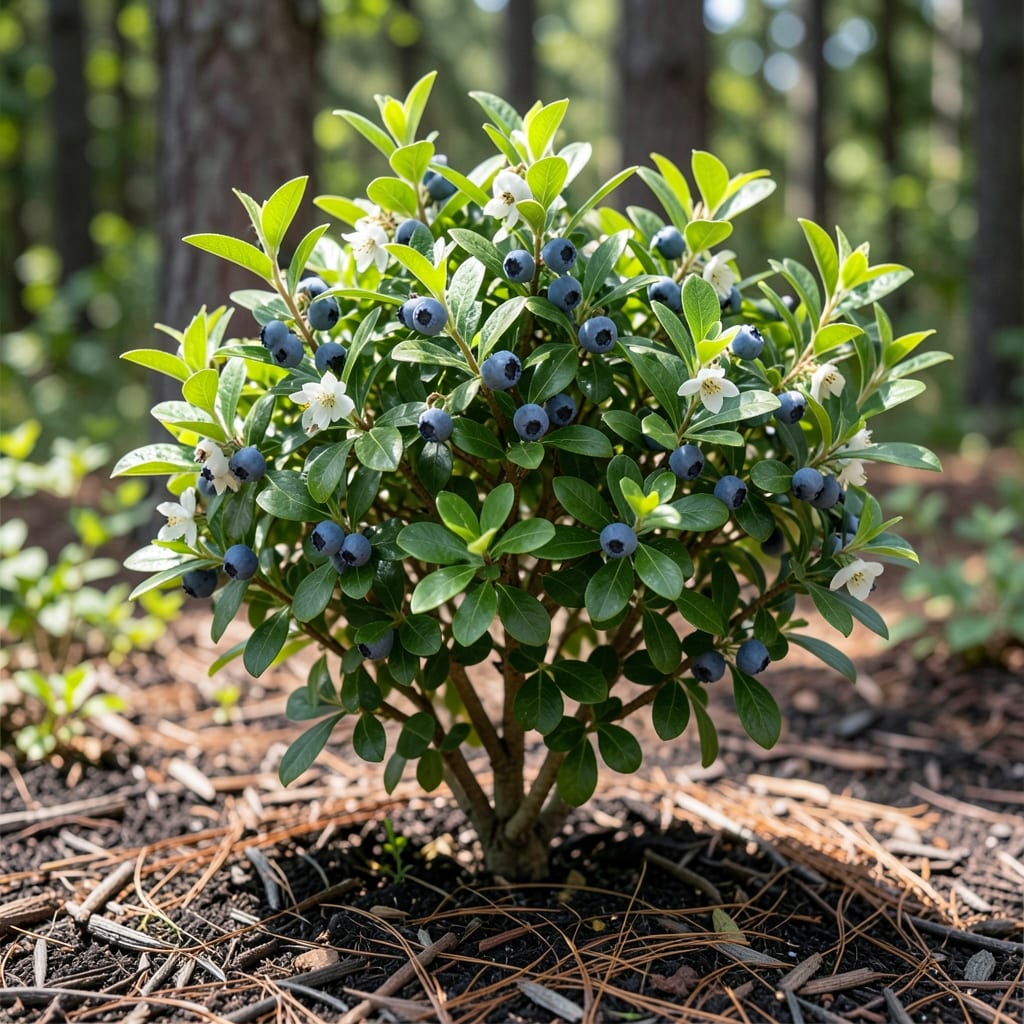
Blueberries thrive in USDA hardiness zones 3 through 7, with some varieties adapting to zones 8-10. They require acidic soil and a specific number of chill hours to produce fruit.
I’ve found that northern highbush types excel in colder climates, while southern varieties handle the heat of zones 8-10. The chill hour requirement—typically 200-800 hours below 45°F—dictates which type will fruit best in your area. 🔥
This means your location’s winter temperatures directly impact which blueberry bushes will thrive and produce abundant harvests. ✨
💡 In This Article
Northern highbush blueberries dominate zones 4-7 because they need 600-800 chill hours below 45°F to break dormancy. Their genetic makeup traces back to wild varieties in New England’s cold winters, making them perfectly adapted to freezing temperatures and snow cover that insulates roots.
Southern highbush types, however, thrive in zones 7-10 with just 150-400 chill hours. ✨
Rabbiteye blueberries take heat better than any other type, handling zones 7-11 with only 100-300 chill hours. Their thicker leaves and later blooming time protect against late frosts that might damage other varieties.
Lowbush blueberries, the wild type found in Maine, require the most cold, only flourishing in zones 3-6 where they get 800+ chill hours annually. 🔥
Half-high varieties, a cross between highbush and lowbush, bridge the gap in zones 3-7 with 500-700 chill hours. These hybrids combine cold hardiness with larger fruit size, making them ideal for gardeners in transitional climates. The key is matching your variety’s chill hour requirement to your region’s typical winter temperatures.
Soil pH acts as the great equalizer across zones. All blueberries need that acidic environment (pH 4.0-5.2) because their root systems evolved to absorb nutrients most efficiently in these conditions. Without it, even perfectly suited climates won’t produce healthy plants.
I’ve seen northern varieties struggle in zone 8 simply because the native soil pH was too high. ⚡
Microclimates within your zone can extend possibilities. A north-facing slope might create zone 6 conditions in an otherwise zone 7 area, allowing northern highbush to thrive. Similarly, urban heat islands can push effective zones higher, making southern varieties viable further north than expected.
Lowbush varieties can handle zone 3 with 800+ chill hours. Their wild origins in Maine and Canada make them the hardiest option for extreme cold climates.
Yes! Rabbiteye and southern highbush thrive in zones 8-11. These types need fewer chill hours and tolerate heat better than northern varieties.
Check local agricultural extension offices or online tools. Most areas track hours below 45°F annually. Match this to your blueberry variety’s needs.
Even in the right zone, blueberries fail without acidic soil (pH 4.0-5.2). Test and amend your soil before planting.
Yes! Containers let you control soil and move plants to ideal microclimates. Use large pots with acidic mix for best results.