
Beautiful Plants For Your Interior
Beautiful Plants For Your Interior
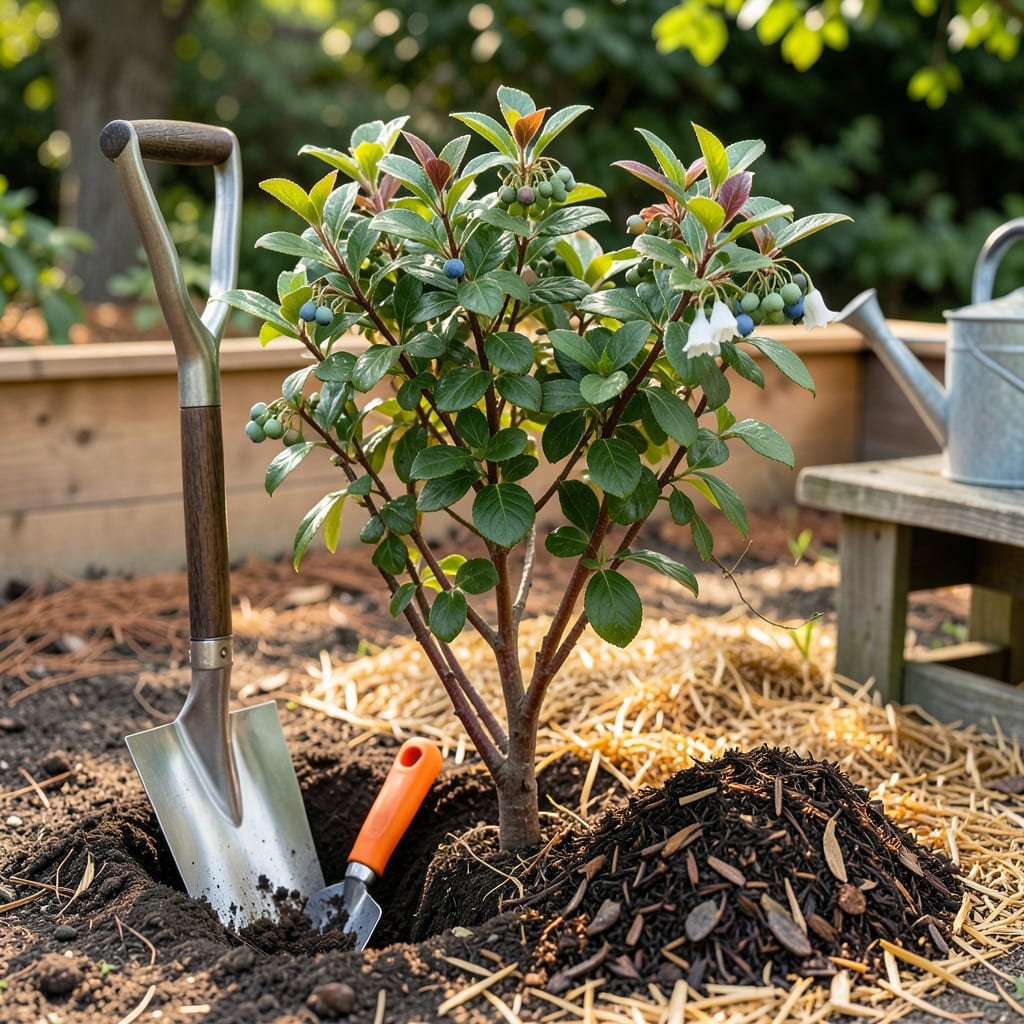
Timing your 🫐 Blueberry Bush planting in Michigan can mean the difference between a thriving harvest and a struggling shrub. Plant too early, and late frosts might wipe out your young bushes; wait too long, and they won’t establish roots before winter.
After years of testing what works in Zones 5a-6b, I’ve nailed down the exact windows for success. Whether you’re in Traverse City or Detroit, I’ll show you how to sync with Michigan’s unpredictable springs and set your bushes up for juicy, abundant berries.
If you’re dreaming of plump, sweet blueberries straight from your Michigan garden, timing your planting is absolutely crucial. Michigan spans USDA zones 5a to 6b, meaning frost dates and soil conditions vary dramatically from the Upper Peninsula to the southern border. Plant too early, and a late frost could wipe out your bushes; plant too late, and they won’t establish roots before winter.
I’ve found that early to mid-spring—typically April to May—is ideal for most of the state. However, if you’re in zone 5a (Upper Peninsula), you’ll need to wait until late May, while zone 6b (Detroit area) can often start in early April. Soil temperature is key: aim for at least 50°F at a 6-inch depth before planting.
Fall planting is also an option, but it comes with risks. If you choose September to October, make sure your bushes have at least 6 weeks before the first frost to establish roots. I recommend container-grown plants for fall planting—they handle transplant shock better than bare-root bushes. Always mulch heavily with pine straw or wood chips to insulate roots.
Michigan’s Great Lakes microclimates can throw a curveball. Areas near Lake Michigan or Lake Huron often have cooler springs and warmer falls due to the lakes’ temperature-moderating effects. If you’re within 10 miles of a lake, adjust your planting dates by 7–10 days later in spring or earlier in fall to account for these shifts.
For bare-root blueberries, timing is even more critical. These should only be planted in early spring—as soon as the soil is workable. Soak the roots in water for 1–2 hours before planting, and prune any damaged roots to encourage new growth. Container-grown plants, on the other hand, offer more flexibility and can be planted anytime during the growing season if watered consistently.
Don’t forget about soil acidity—this is non-negotiable for blueberries. Michigan’s native soils often lean neutral to alkaline, so you’ll likely need to amend with elemental sulfur or peat moss. Test your soil pH before planting; if it’s above 5.5, work in amendments a few weeks ahead. A simple at-home test kit from your local garden center will do the trick.
If you’re in sandy soil (common in parts of the Lower Peninsula), mix in organic matter like compost or well-rotted manure to improve moisture retention. Blueberries hate “wet feet,” so ensure your site has excellent drainage. Raised beds are a great solution for heavy clay or poorly drained areas—just fill them with a mix of pine bark, peat, and sand.
For the best results, pair your timing with the right varieties. Cold-hardy cultivars like ‘Bluecrop’, ‘Patriot’, and ‘Northland’ thrive in Michigan’s climate. ‘Bluecrop’ is my top pick for beginners—it’s disease-resistant and produces large, flavorful berries reliably. If space is limited, try ‘Top Hat’, a dwarf variety perfect for containers.
After planting, water deeply—1–2 inches per week—and mulch with 2–3 inches of pine bark or straw to retain moisture and suppress weeds. Avoid using black plastic, as it can overheat roots in summer. Finally, protect young bushes from late frosts with frost blankets or burlap wraps, especially in the first two years.
By nailing the timing and prep, you’ll set your blueberry bushes up for decades of productivity. Remember, a well-planted bush can yield 5–10 pounds of berries annually once mature—well worth the effort! 🌱
Deciding between spring and fall planting for your Michigan blueberries? Both seasons have advantages, but the best choice depends on your zone, soil conditions, and the type of plants you’re using. Spring planting is generally safer for bare-root bushes, while fall can work well for container-grown plants if timed correctly.
In my experience, spring planting (April–May) gives bushes a full growing season to establish roots before winter. This is especially critical in zones 5a–5b, where harsh winters can stress young plants. However, spring-planted bushes require consistent watering—drought stress in their first summer can stunt growth and delay fruiting by a year or more.
Fall planting (September–October) can be successful if you follow a few key rules. First, container-grown plants are your best bet—they adapt faster than bare-root bushes. Plant at least 6 weeks before your first frost (early October for zone 5a, late October for zone 6b) to give roots time to grow. Mulch heavily with 4–6 inches of pine straw to insulate roots and retain moisture.
One major advantage of fall planting is reduced transplant shock. Cooler temperatures and higher humidity mean less stress on the plants. However, the biggest risk is winter heaving, where freeze-thaw cycles push roots out of the ground. To prevent this, add a 2-inch layer of mulch after the first hard frost, and consider wrapping young bushes in burlap if you’re in a windy area.
For bare-root blueberries, spring is the only viable option. These plants need time to recover from transplanting and develop new roots before summer heat or winter cold arrives. Soak the roots for 1–2 hours before planting, and trim any broken or overly long roots. Container plants, however, can be planted in either season—just avoid the hottest summer months (July–August), when heat stress can hinder establishment.
If you’re in southern Michigan (zone 6b), you have more flexibility. The longer growing season means fall-planted bushes often establish well before winter. But in the Upper Peninsula (zone 5a), I’d stick to spring planting unless you’re using large, well-established container plants and can provide extra winter protection, like a mini greenhouse or windbreak.
No matter which season you choose, soil prep is critical. Test your pH and amend with sulfur or peat moss to reach the ideal 4.5–5.5 range. Blueberries won’t thrive in alkaline soil, no matter when you plant them. And always water deeply after planting—1–2 inches per week—to encourage root growth. With the right timing and care, you’ll be harvesting pints of sweet berries within 2–3 years! 🫐
Even with perfect timing, your Michigan blueberry bushes can fail if you overlook these common mistakes. After helping dozens of gardeners troubleshoot struggling plants, I’ve pinpointed the three biggest errors that sabotage success—especially in our state’s finicky climate and soils.
The first mistake? Ignoring soil pH. Blueberries demand acidic soil (pH 4.5–5.5), but most Michigan gardens test closer to neutral (6.5–7.0). Skipping a soil test or amendments like peat moss or elemental sulfur means your bushes will struggle to absorb nutrients, leading to yellow leaves and stunted growth.
The second critical error is poor site selection. Blueberries despise “wet feet”, yet many gardeners plant them in low spots where water pools. In Michigan’s sandy or clay-heavy soils, this is a death sentence. Always plant on a gentle slope or in raised beds filled with acidic amendments.
Another overlooked issue? Wind exposure. Michigan’s Great Lakes winds can desiccate young bushes, especially in winter. If your site is exposed, install a burlap windbreak or plant near a fence or shrubbery. Even mature bushes benefit from protection during late-winter thaws, which can trick plants into early budding.
Finally, don’t underestimate watering consistency. Blueberries need 1–2 inches of water weekly, but overwatering is just as harmful. Use a drip irrigation system or soaker hose to deliver moisture directly to roots. In sandy soils (common in the Lower Peninsula), you may need to water every 3–4 days during dry spells. 💧
Early to mid-spring (April–May) is ideal for most of Michigan. If you’re in the Upper Peninsula (Zone 5a), wait until late May. For southern Michigan (Zone 6b), late March can work. Fall planting is possible in September–October, but only with container-grown plants.
Yes, but with caution! Plant container-grown bushes at least 6 weeks before your first frost (early October in Zone 5a, late October in Zone 6b). Mulch heavily with 4–6 inches of pine straw to protect roots. Avoid bare-root plants in fall—they won’t establish in time.
Test your soil pH—blueberries need acidic soil (4.5–5.5). Michigan’s native soils are often too alkaline. Amend with peat moss, pine bark fines, or elemental sulfur if your pH is above 5.5. A simple at-home test kit from a garden center will give you fast results.
Skipping soil prep! Many plant blueberries in unamended soil, leading to yellow leaves and poor growth. Always test and adjust pH before planting. Another common error is choosing a low-lying spot—blueberries hate “wet feet”. Opt for a slope or raised bed with excellent drainage.
In the first 2–3 years, wrap bushes in burlap or use frost blankets to shield them from windburn and late frosts. Apply 2–4 inches of mulch (pine straw or wood chips) to insulate roots. This is especially critical in Zone 5a and exposed areas near the Great Lakes.
