
Beautiful Plants For Your Interior
Beautiful Plants For Your Interior
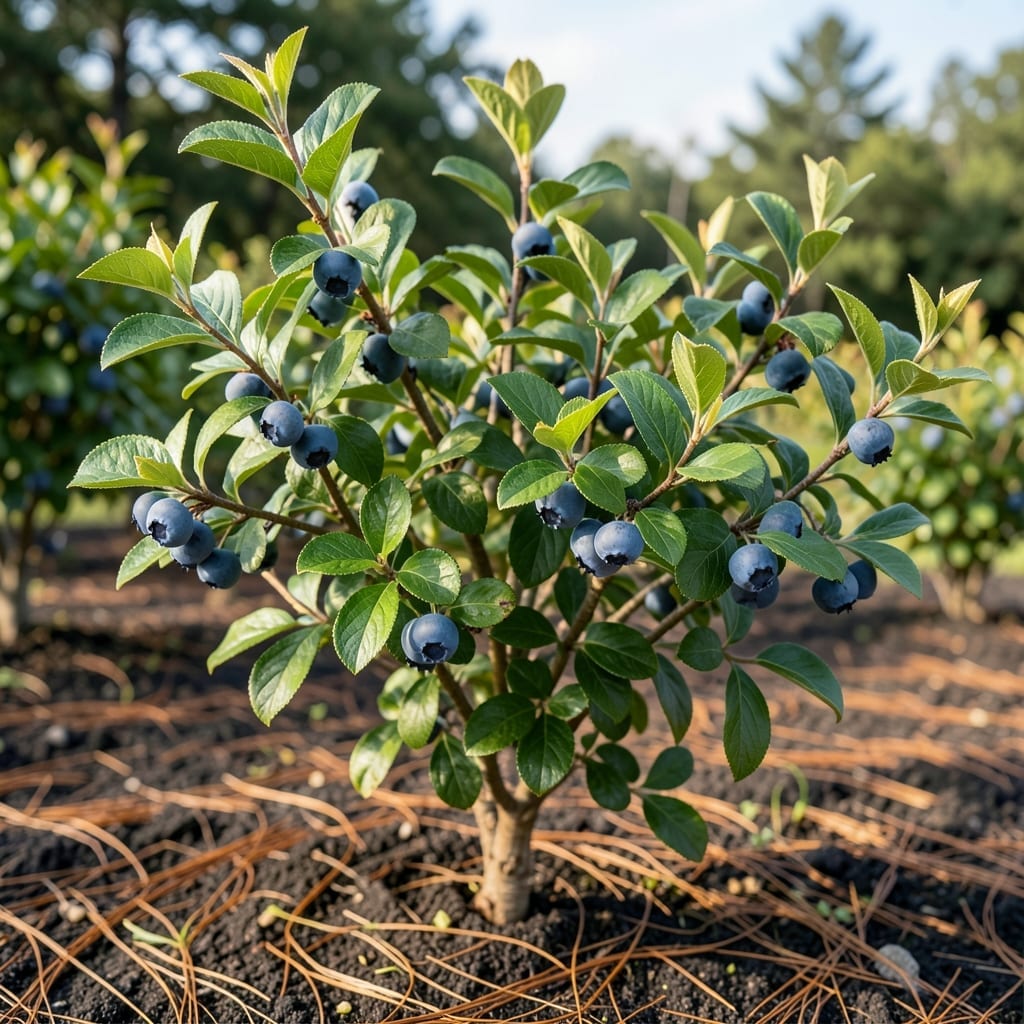
Ever noticed how some Blueberry bushes produce an abundance of fruit while others struggle? The difference often comes down to sunlight. Getting the light conditions right is the key to a thriving harvest.
Many gardeners assume these plants need constant sun, but the reality is more nuanced. Understanding their ideal light exposure can transform your growing results.
Let me share what I’ve learned about giving Blueberry bushes the perfect amount of light for maximum yield. You might be surprised by how adaptable they can be.

If you’re growing Blueberry bushes, sunlight is one of the most critical factors for a successful harvest. These plants are sun-loving shrubs that thrive with plenty of light exposure daily.
Most varieties require 6-8 hours of direct sunlight to produce the best yield. Without enough light, you may end up with smaller berries or a sparse harvest. However, there are nuances depending on the type of blueberry you’re growing.
| Variety | Sun Requirement | Notes |
|---|---|---|
| Highbush | 6-8 hours | Most common type, needs full sun |
| Lowbush | 4-6 hours | More shade-tolerant, wild type |
| Rabbiteye | 6-8 hours | Heat-tolerant, needs full sun |
In my experience, Highbush blueberries are the most popular for home gardens. They truly perform best with full sun exposure. I’ve seen bushes in partial shade produce berries, but the yield and size are noticeably smaller.
Lowbush varieties can tolerate a bit more shade, making them a good option if your garden has limited sunlight. But even these will produce more abundantly with at least 4-6 hours of direct light daily.
The reason sunlight is so crucial is that it directly impacts photosynthesis and flower production. More light means more energy for the plant to develop healthy foliage and plump berries. ☀️
If you’re planting in a less-than-ideal spot, consider thinning nearby trees or using reflective mulches to maximize light exposure. Even small improvements in sunlight can significantly boost your harvest.
Another factor to consider is your climate zone. In hotter regions, some afternoon shade can actually protect the plants from heat stress. But in cooler climates, full sun is non-negotiable for optimal growth.
I always recommend observing your garden’s light patterns before planting. Track how many hours of direct sunlight different areas receive. This simple step can save you from disappointment later.
Remember, while blueberries can survive in partial shade, they won’t thrive without adequate light. If you want those big, juicy berries, prioritize a sunny spot in your garden. 🌱
While full sun is ideal, don’t lose hope if your garden has limited sunlight. I’ve successfully grown blueberries in partial shade by choosing the right varieties and optimizing their environment.
For gardeners with shady yards, Lowbush blueberries are your best bet. These wild types can produce with just 4-6 hours of sunlight, though they’ll still yield more with additional light.
In my experience, morning sunlight is more valuable than afternoon light. The gentler rays help dry dew quickly, reducing disease risk while still providing energy for growth.
Soil quality becomes even more important in shadier spots. I always amend the soil with extra compost to give my blueberries the best start. The richer the soil, the better they can compensate for less sunlight.
Consider using container planting if your garden lacks sun. This lets you move the plants to follow the sun’s path throughout the day, giving them the light they need to thrive.
Remember that even shade-tolerant varieties will produce fewer berries than those in full sun. But with these strategies, you can still enjoy a respectable harvest from your partially shaded plants. 🌿