
Beautiful Plants For Your Interior
Beautiful Plants For Your Interior
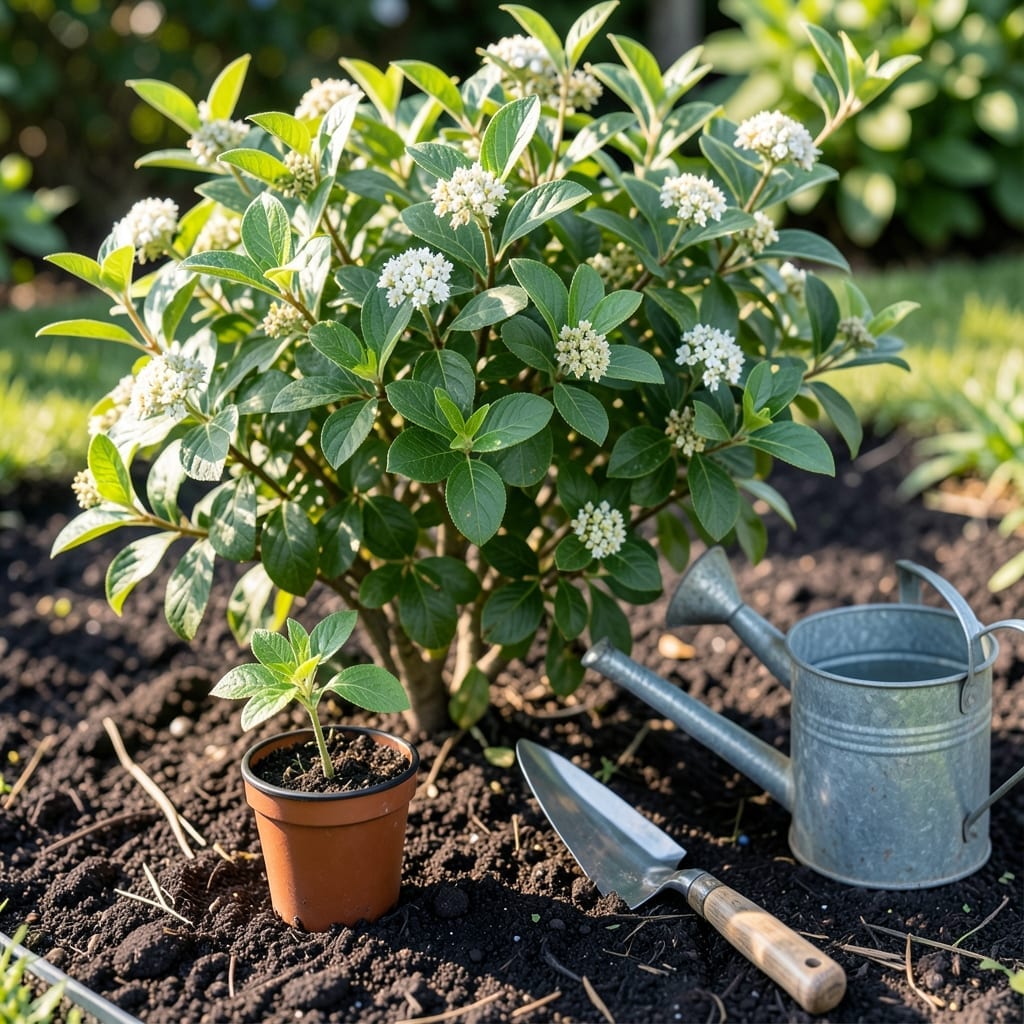
Timing is everything when it comes to planting Blueberry bushes in Zone 9’s warm climate. Plant too early or too late, and your bushes may struggle to establish roots or produce fruit.
I’ve learned the hard way that getting the timing right makes all the difference. In Zone 9, the mild winters give roots a head start before summer heat kicks in.
Discover why the October to March window is ideal for planting Blueberry. This period allows bushes to settle in while avoiding extreme temperatures.
Let me show you how to take advantage of Zone 9’s unique conditions for thriving Blueberry plants. You’ll be enjoying sweet harvests in no time.
In Zone 9, the best time to plant blueberries is from late fall to early winter. This window allows roots to establish before the summer heat kicks in, giving your bushes a strong start.
The mild winters here are perfect for root development without the stress of freezing temperatures. Aim for October through March, avoiding extreme cold or heat.
| Factor | Recommendation |
|---|---|
| Optimal Months | October – March |
| Soil pH | 4.5 – 5.5 |
| Sunlight Needs | 6+ hours daily |
| Watering Schedule | Weekly deep soak |
| Variety | Rabbiteye or Southern Highbush |
Zone 9’s unique climate means you can plant later than colder zones. The soil stays warm longer, encouraging root growth even in winter months.
I always recommend testing your soil pH first. Blueberries thrive in acidic soil (pH 4.5-5.5), so amending with peat moss or sulfur may be necessary.
For best results, plant in well-draining soil with plenty of organic matter. This ensures your blueberries get the nutrients they need without waterlogging.
Morning sun is ideal in Zone 9. While blueberries love full sun, afternoon shade can protect them from intense summer heat in our warmer climate.
Remember, consistent moisture is key during the first year. I water my blueberries deeply once a week, adjusting for rain or extreme heat.
Choosing the right variety matters too. In Zone 9, Rabbiteye and Southern Highbush perform best, offering reliable fruit production in our mild winters.
Finally, mulch around your plants to retain moisture and suppress weeds. I use pine bark mulch for added acidity, which blueberries love.
🌱I’ve found that October to March is the sweet spot for planting blueberries in Zone 9. The cooler weather lets roots establish without the stress of summer heat. Late fall to early winter is ideal because the soil stays warm enough for growth while avoiding frost damage.
Start by selecting a sunny spot with well-draining acidic soil (pH 4.5-5.5). Blueberries thrive in these conditions, and Zone 9’s mild winters give them a head start before spring.
Spacing is key—give each blueberry bush at least 4-6 feet of room to grow. This ensures good airflow and reduces disease risk. I always recommend rabiteye or southern highbush varieties for Zone 9’s climate.
After planting, water consistently for the first few weeks. Zone 9’s dry spells can sneak up, so keep the soil moist but not soggy. A drip irrigation system works wonders for even watering.
Finally, monitor for pests and adjust care as seasons change. Blueberries in Zone 9 need less winter protection but more attention to summer heat stress. Mulching helps regulate soil temperature.
With proper timing and care, your blueberries will reward you with abundant harvests for years to come. I’ve seen bushes planted in November thrive by spring!
🌿