
Beautiful Plants For Your Interior
Beautiful Plants For Your Interior
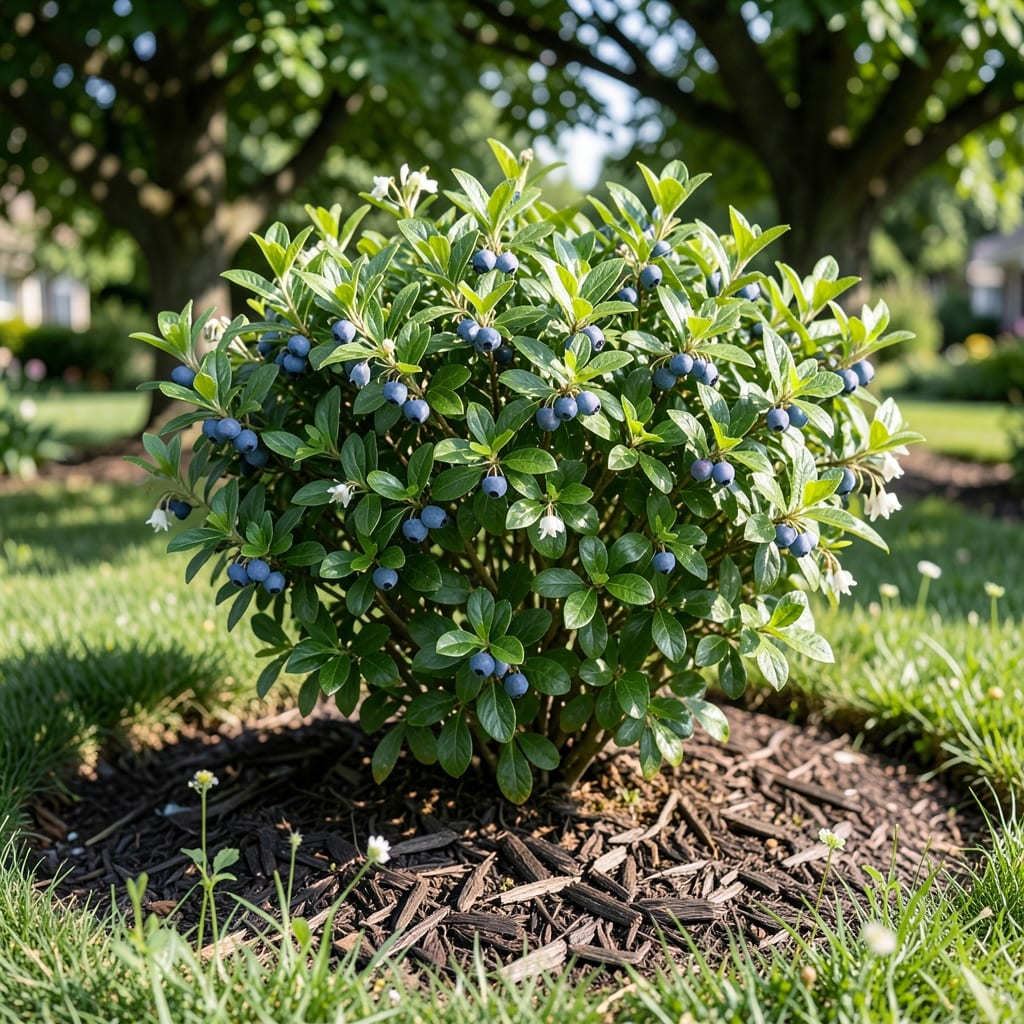
In zone 5, hardy blueberry varieties like ‘Patriot’, ‘Bluecrop’, and ‘Jersey’ thrive with proper acidic soil, full sun, and winter protection. Plant in spring or fall for best results.
I’ve seen these bushes flourish when the soil pH stays between 4.0 and 5.0, which you can test with a simple kit. 🔥 Mulching with pine needles helps maintain acidity while keeping roots insulated during harsh winters. Early spring planting gives them time to establish before summer heat, but fall works too if you water consistently.
💡 In This Article
Zone 5’s harsh winters demand blueberry varieties bred for resilience. ‘Patriot’ stands out with its ability to survive temperatures down to -25°F, producing medium-sized, sweet berries in mid-season. This northern highbush cultivar reaches 4-6 feet tall, making it ideal for small gardens while offering high yields of up to 20 pounds per mature bush. 🔥
‘Bluecrop’ thrives in zone 5 due to its vigorous growth and consistent production. This mid-season variety produces large, light blue berries with excellent flavor, typically ripening in late July. It grows 4-6 feet tall and spreads 4-5 feet wide, requiring cross-pollination for maximum yield. The bushes are particularly disease-resistant, a crucial trait for zone 5’s fluctuating spring weather. ✨
‘Jersey’ blueberries are late-season producers that extend your harvest window. These bushes tolerate temperatures as low as -30°F, making them one of the hardiest options. The berries are smaller but intensely flavored, perfect for baking. ‘Jersey’ bushes grow 6-8 feet tall and can produce fruit for 4-6 weeks, offering a prolonged harvest period. 💫
Each variety has unique advantages for zone 5 gardeners. ‘Patriot’ offers early harvests, ‘Bluecrop’ provides reliable mid-season fruit, while ‘Jersey’ extends the season. All three require acidic soil with a pH between 4.0-5.0 and full sun exposure for optimal growth and fruit production. Consider planting multiple varieties to ensure cross-pollination and a longer harvest window.
🌟
For best results, space these bushes 4-6 feet apart to allow for air circulation and future growth. This spacing prevents disease while making harvesting easier. Zone 5’s shorter growing season means these cold-hardy varieties will perform better than southern types, which may not survive the winter or produce as consistently. ⚡
Water deeply 1-2 times per week, providing 1-2 inches total. New plants need consistent moisture, while established bushes tolerate short dry spells. Use drip irrigation to avoid wetting foliage.
Early spring or fall are ideal. Spring planting lets roots establish before summer heat, while fall planting uses cooler temps to reduce stress. Avoid planting during extreme heat or frost.
Yes, cross-pollination improves yield. Plant at least 2 different varieties within 50 feet of each other. Some, like ‘Bluecrop’, are self-fertile but still benefit from nearby pollinators.
Cover with frost cloth or burlap when temps drop below 28°F. For young plants, mound 6-12 inches of mulch around the base. Remove coverings during the day to allow sunlight.
This often signals high soil pH. Test your soil—blueberries need 4.0-5.0 pH. Amend with sulfur or peat moss, and avoid tap water if it’s alkaline. Nutrient deficiencies can also cause yellowing.