
Beautiful Plants For Your Interior
Beautiful Plants For Your Interior
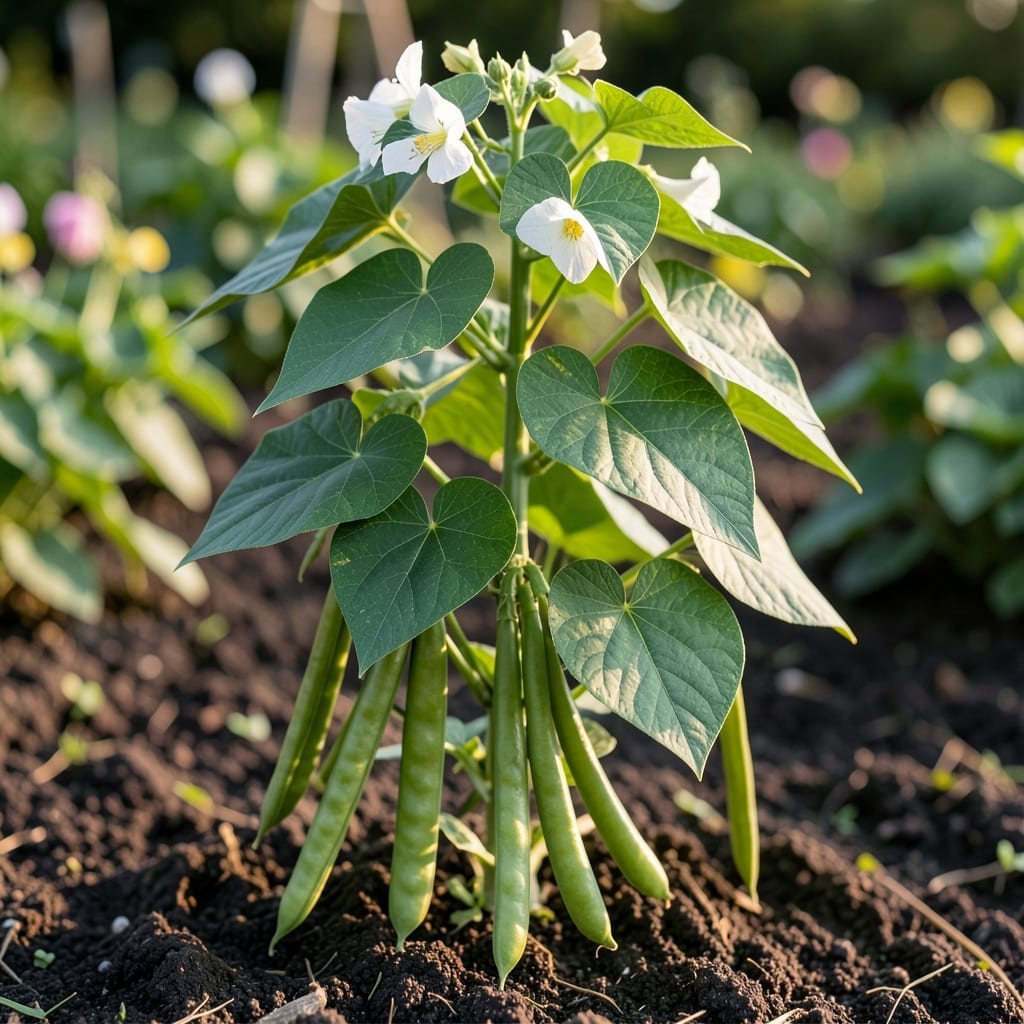
Blue Lake pole beans should be the easiest thing you grow. I’ve had seasons where they climbed 8 feet with zero issues, then years where every leaf looked like lace. The difference isn’t luck—it’s catching problems early.
Most issues show up the same way: yellow leaves, stunted growth, or pods that never fill out. The causes range from overwatering to aphid invasions, but the fixes are simpler than you’d think. A little observation goes a long way.
With the right tweaks, you’ll get back to thick vines loaded with tender beans. The key is matching the symptom to the solution—no guesswork, just results.
Works for container growers, raised beds, or in-ground plots. Here’s how to keep them thriving.
Understanding the root causes of Blue Lake pole bean problems helps you address them effectively. Below are the most common triggers, explained scientifically and actionably.
Extreme temperatures, especially heat above 85°F (29°C) or cold snaps below 50°F (10°C), disrupt pod formation. Heat stress reduces pollen viability, while cold slows metabolic processes. Fix: Use shade cloth in summer or row covers in early spring to stabilize temperatures.
Inconsistent moisture—overwatering or drought—leads to blossom drop or cracked pods. Beans need 1–1.5 inches of water weekly, ideally at soil level to avoid fungal issues. Fix: Mulch to retain moisture and water deeply 2–3 times per week, avoiding wetting the foliage.
Mexican bean beetles and aphids sap plant vigor by feeding on leaves and stems. Beetles skeletonize foliage, while aphids excrete honeydew, promoting sooty mold. Fix: Handpick pests early or apply neem oil. Introduce beneficial insects like ladybugs for natural control.
High humidity and poor air circulation foster rust, powdery mildew, or bacterial blight. These pathogens thrive in wet foliage, causing yellowing, spots, or wilting. Fix: Space plants 4–6 inches apart for airflow, and avoid overhead watering. Remove infected plants immediately.
Yellow leaves or stunted growth often signal nitrogen (N) or potassium (K) deficiency. Nitrogen supports foliage, while potassium aids pod development. Fix: Amend soil with compost or use a balanced fertilizer (e.g., 10-10-10) at planting. Side-dress with compost tea mid-season.
When your Blue Lake pole beans show signs of trouble, quick action can save your harvest. Below are targeted fixes for common issues, paired with prevention tips to keep your vines thriving.
Yellow leaves often signal a nitrogen deficiency. Fix it by side-dressing plants with compost or a balanced fertilizer (10-10-10). For a quick pick-me-up, apply a diluted fish emulsion spray. Prevention tip 💡: Test soil before planting and amend with organic matter to ensure rich nutrients from the start.
Bean beetles and aphids love tender leaves. Treat infestations with neem oil or insecticidal soap, spraying in the early morning or late evening. Introduce beneficial insects like ladybugs for long-term control. Prevention tip 🎯: Rotate crops yearly and remove plant debris to disrupt pest life cycles.
Under- or overwatering stresses plants. Revive wilting beans by watering deeply at the base (1–2 inches per week) and mulching to retain moisture. Avoid wetting foliage to prevent fungal issues. Prevention tip 🌡️: Use drip irrigation for consistent moisture and water early in the day to reduce evaporation.
Powdery mildew or rust spots? Prune affected leaves and apply a baking soda spray (1 tsp baking soda + 1 quart water + a drop of soap). Space plants 4–6 inches apart for better airflow. Prevention tip ✨: Choose resistant varieties and avoid overhead watering to keep foliage dry.
If seeds fail to sprout, check soil temperature (beans need 70–80°F). Replant in warmer soil or use transplants. Soak seeds overnight to speed up germination. Prevention tip 🔥: Start seeds indoors or wait until soil warms in late spring.
Yellow leaves often signal nitrogen deficiency or overwatering. Test soil moisture first—if it’s soggy, cut back on water. If dry, add compost or a balanced fertilizer to boost nutrients.
Handpick beetles early in the morning when they’re sluggish. Apply neem oil or introduce ladybugs for long-term control. Avoid chemical pesticides to protect pollinators.
Check soil moisture—wilting often means underwatering or root rot. Water deeply at the base if dry, or improve drainage if soggy. Prune damaged leaves to redirect energy.
Empty pods usually result from poor pollination or heat stress. Gently shake vines to aid pollination, and use shade cloth during extreme heat above 85°F.