
Beautiful Plants For Your Interior
Beautiful Plants For Your Interior
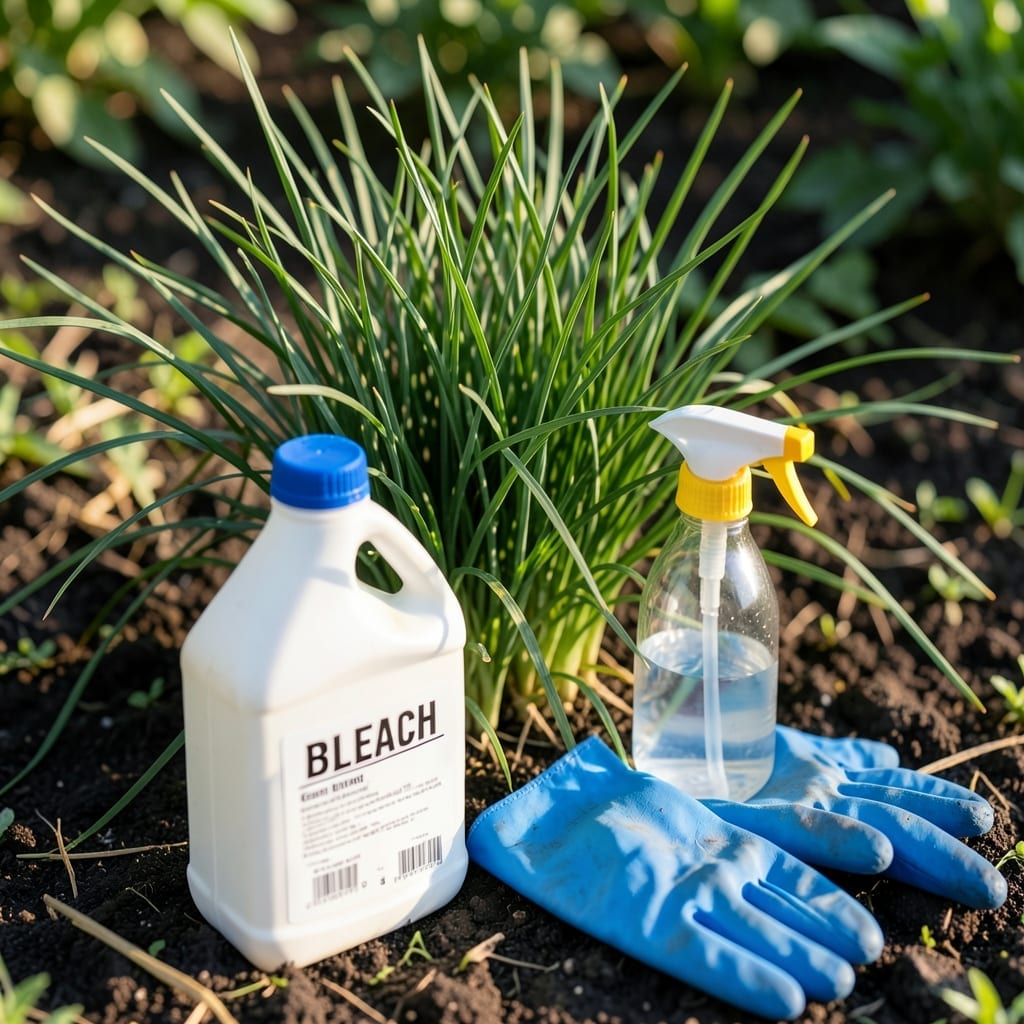
Bleach can kill grass and other plants by breaking down chlorophyll and disrupting cell structures. Even diluted solutions often cause brown patches or complete die-off in treated areas.
I’ve seen firsthand how sodium hypochlorite alters soil chemistry, making it hostile for root systems. 🔥 The damage isn’t always immediate—sometimes it takes days for the grass to yellow and wither. If you’re aiming for a cleaner lawn without harm, natural alternatives like vinegar or baking soda work better for spot treatments.
💡 In This Article
Sodium hypochlorite, the active ingredient in bleach, attacks plant cells through oxidation. It strips electrons from chlorophyll molecules, which are essential for photosynthesis. Without functional chlorophyll, grass can’t convert sunlight into energy, leading to rapid yellowing and death within 24-48 hours. 🔥
The chemical also disrupts cell membranes, causing cytoplasm to leak out. This breakdown is similar to how bleach sanitizes surfaces—it denatures proteins and destroys cellular structures. Even a 1% bleach solution can raise soil pH to 11-12, making nutrients like nitrogen and iron unavailable to roots.
Grass exposed to bleach often shows wilted, translucent blades before browning. The damage spreads as the chemical moves through the soil, affecting neighboring plants. Unlike herbicides that target specific plant pathways, bleach is non-selective and will kill any vegetation it contacts. ⚡
Soil microbes, which help decompose organic matter and cycle nutrients, are also devastated. A single bleach application can reduce beneficial bacteria populations by 90% or more, creating a barren environment that takes weeks or months to recover. This microbial die-off compounds the stress on surviving grass.
Temperature and concentration accelerate the harm. On a hot 90°F day, bleach evaporates slower, giving it more time to penetrate soil. In cool, damp conditions, it may linger for days, continuing to damage roots long after application. 💫
Grass typically shows damage within 24-48 hours of exposure. Yellowing appears first, followed by wilting and complete browning within 3-5 days depending on concentration and weather.
Even diluted solutions can cause significant damage. A 1% bleach mixture may raise soil pH to harmful levels, making nutrients unavailable to roots. Always test in a small area first.
Water is the best neutralizer. Flood the affected area immediately with large amounts of water to flush out the chemical. For severe cases, add gypsum or lime to help restore soil balance.
No, bleach is non-selective and will kill any plant it contacts. For targeted weed control, use vinegar solutions or commercial herbicides designed for selective action.