
Beautiful Plants For Your Interior
Beautiful Plants For Your Interior
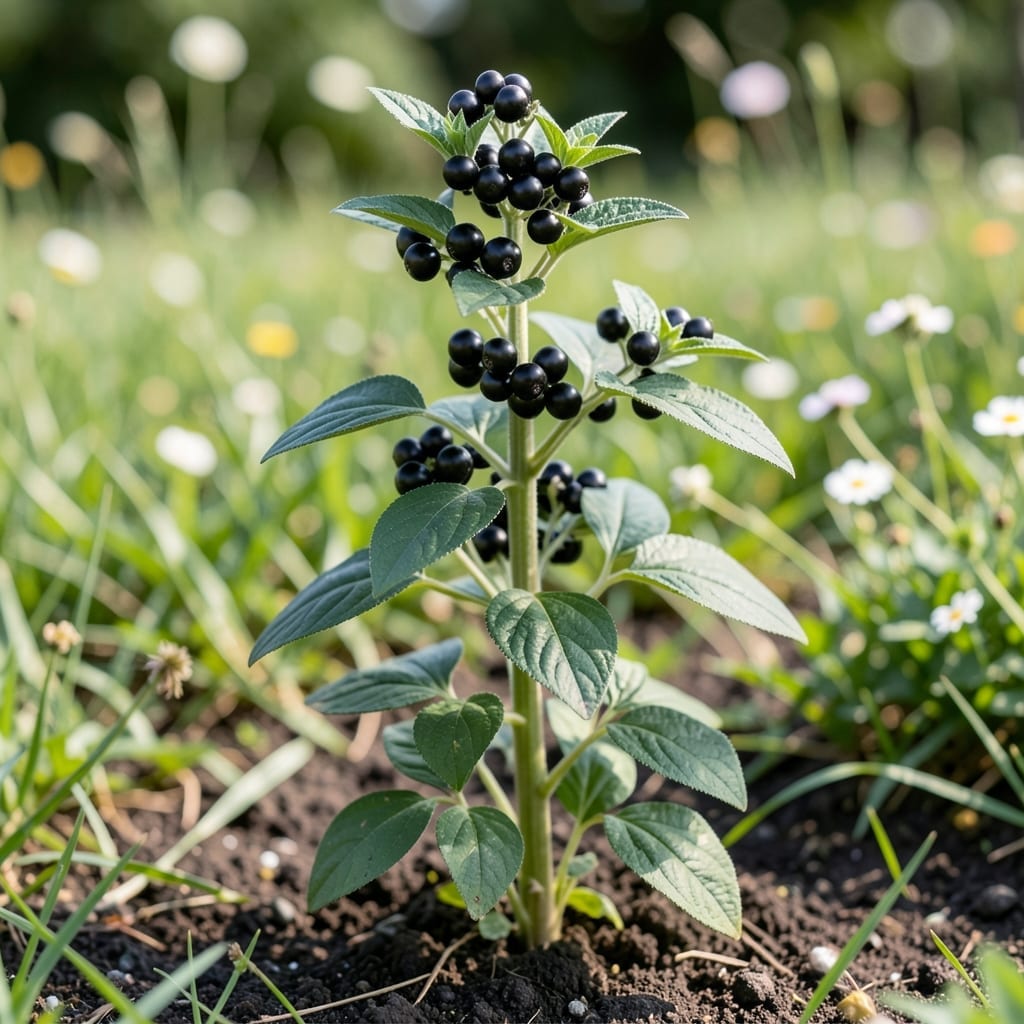
Those tiny dark gems in your garden hold serious potential. I’ve grown dozens of black berry varieties, and the right care turns them from struggling shrubs into prolific producers.
Most fail because they plant in the wrong spot—these need full sun and well-draining soil. Add a layer of mulch to keep roots cool, and you’ll see the difference in weeks. Water deeply but let the soil dry slightly between sessions.
From elderberries to black raspberries, each type has its quirks. Prune at the right time, feed in early spring, and they’ll reward you with sweet, abundant fruit year after year.
Works in zones 4-9, adapts to containers or open ground. Here’s how to get it right.
Black small berries often signal underlying issues in your plants. Understanding the causes helps you address them effectively and restore plant health.
Fungi like Botrytis or Powdery Mildew can cause berries to darken and shrink. These pathogens thrive in humid, poorly ventilated environments, spreading spores that infect fruit. Overhead watering worsens the problem by keeping foliage damp. Action: Improve airflow, remove infected berries, and apply copper-based fungicides preventatively.
Extreme temperatures—either frost or heatwaves—can disrupt berry development. Frost damages cell structures, leading to blackening, while heat stress causes sunscald, where tissues die and darken. Action: Use row covers for frost protection and shade cloth during peak summer heat.
A lack of calcium or phosphorus often manifests as stunted, blackened berries. Calcium deficiency leads to blossom end rot-like symptoms, while phosphorus shortage slows energy transfer, stunting growth. Action: Test soil and amend with bone meal (for phosphorus) or gypsum (for calcium).
Sap-sucking pests like aphids or thrips weaken plants, making berries susceptible to secondary infections that cause blackening. Their feeding also introduces toxins that disrupt fruit development. Action: Introduce beneficial insects (e.g., ladybugs) or use neem oil sprays to control infestations.
If your black small berries are struggling, these targeted fixes can get them back on track. Address each issue methodically for the best results.
Yellow leaves often signal poor soil conditions. Test your soil’s pH—blackberries thrive in slightly acidic soil (5.5–6.5). Fix: Amend with compost or peat moss to adjust acidity. Ensure proper drainage to avoid waterlogging. Prevention: Conduct annual soil tests and refresh mulch to maintain nutrient balance.
Aphids and beetles love berry plants. Fix: Spray with neem oil or introduce ladybugs as natural predators. Remove damaged leaves promptly to curb spread. Prevention: Plant companion herbs like basil or mint to deter pests organically.
Over- or under-watering can cause wilting. Fix: Water deeply once a week (more in extreme heat) and ensure soil stays moist but not soggy. Use drip irrigation for consistent hydration. Prevention: Mulch around plants to retain moisture and reduce evaporation.
Lack of nutrients stunts growth. Fix: Apply a balanced 10-10-10 fertilizer in early spring, then switch to a low-nitrogen option during fruiting. Prevention: Top-dress with compost annually to replenish organic matter.
Pro Tip 💡: Prune old canes every winter to encourage vigorous new growth and better fruit production next season.
Most wild black berries are edible, but always confirm the variety first. Some look-alikes like nightshade berries are toxic. When in doubt, avoid eating until you’ve positively identified the plant.
They thrive in well-draining, slightly acidic soil with a pH of 5.5–6.5. Mix in compost for nutrients and mulch to retain moisture. Avoid heavy clay or waterlogged areas.
Water deeply once a week, letting the soil dry slightly between sessions. During extreme heat, increase to twice weekly. Drip irrigation works best to keep foliage dry and prevent disease.
Shriveled berries often mean underwatering or excessive heat. Ensure consistent moisture and provide afternoon shade in hot climates. Prune to improve airflow and reduce stress.