
Beautiful Plants For Your Interior
Beautiful Plants For Your Interior
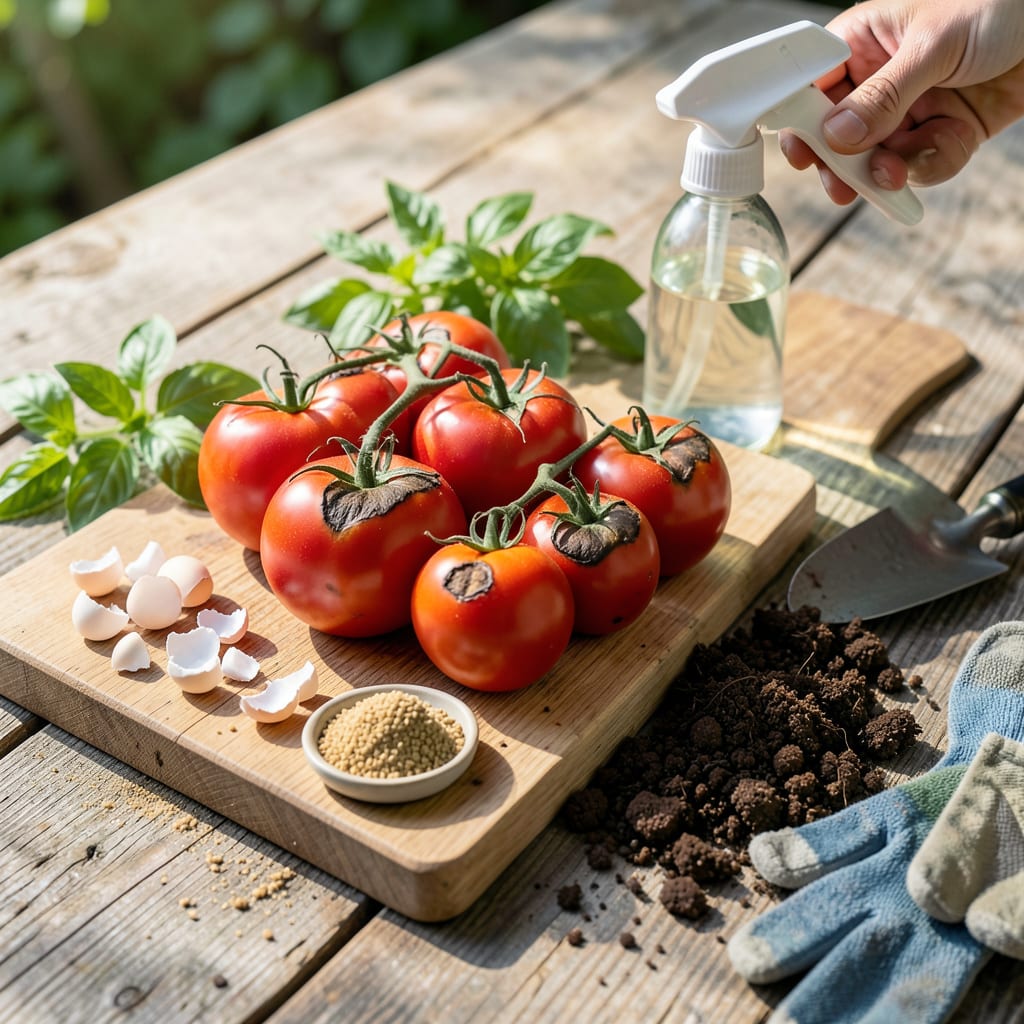
That sunken black spot on your tomato’s bottom isn’t rot—it’s a cry for help. I’ve lost entire crops to blossom end rot before learning it’s not a disease but a nutritional imbalance screaming for calcium.
Here’s the thing—most soil has enough calcium, but uneven watering locks it out. One week of drought followed by a soaking leaves tomatoes starved. My solution? Consistent moisture and crushed eggshells worked into the planting hole.
You’ll see new fruit forming without those ugly brown patches within 2-3 weeks. The fix is simpler than you think, and prevention means no more tossing half your harvest.
Works for container plants too—just watch your watering schedule like a hawk. The tomatoes you save will be the sweetest victory.
Blossom end rot on tomatoes is primarily caused by calcium deficiency in the developing fruit, but the underlying triggers are often environmental or cultural. Here’s a breakdown of the key causes:
Tomatoes need consistent calcium uptake to form strong cell walls. If your soil lacks bioavailable calcium (even if it’s present, pH or moisture issues can block absorption), the fruit’s distal end (blossom end) collapses and rots. A soil pH below 6.0 or above 7.5 can lock calcium out of reach for roots.
Fluctuating soil moisture—too dry, then too wet—disrupts calcium transport. Calcium moves through water in the plant’s xylem, so drought stress or overwatering (which suffocates roots) halts its delivery to the fruit. Even short-term dry spells during rapid growth can trigger rot.
During heatwaves or after heavy fertilization (especially high-nitrogen feeds), tomatoes grow so fast that calcium can’t keep up with the demand. The blossom end, farthest from the calcium supply, suffers first. Excessive nitrogen also promotes leafy growth at the expense of fruit health.
Heat stress (above 85°F/29°C) or cold snaps (<50°F/10°C) slow calcium uptake. In hot weather, plants may take up water faster than calcium, diluting its availability. Cold soil (below 55°F/13°C) reduces root activity, limiting nutrient absorption.
Addressing these factors—not just adding calcium—is key to prevention.
Blossom end rot can be frustrating, but these targeted fixes will get your tomatoes back on track. Address the root causes with these practical solutions:
Add calcium directly to the soil to strengthen cell walls. Work crushed eggshells, gypsum, or a calcium-rich fertilizer into the top inch of soil. For a quick boost, mix 1 tablespoon of calcium chloride in a gallon of water and apply as a foliar spray. Prevention tip 💡: Test soil annually—aim for a pH of 6.0–6.8 for optimal calcium uptake.
Tomatoes need 1–2 inches of water per week, delivered evenly. Use drip irrigation or soaker hoses to keep moisture levels steady. Mulch with straw or wood chips to retain moisture and prevent soil fluctuations. Prevention tip 💡: Water deeply in the morning to reduce evaporation and fungal risks.
If your soil is too acidic (below 6.0), add garden lime to raise the pH. For alkaline soil (above 7.0), amend with sulfur or peat moss. Retest soil after 2–3 weeks to confirm adjustments. Prevention tip ✨: Use a pH meter for real-time monitoring.
Too much nitrogen or potassium can block calcium absorption. Switch to a balanced, low-nitrogen fertilizer (e.g., 5-10-10) and avoid over-feeding. Prevention tip 🎯: Follow label instructions—more isn’t always better!
Pro tip: Remove affected tomatoes immediately to redirect the plant’s energy to healthy fruit. With consistent care, new growth will be rot-free! 🌟
New fruit will show improvement within 2-3 weeks of consistent treatment. Remove affected tomatoes immediately to focus the plant’s energy on healthy growth. Results depend on addressing the root cause, not just symptoms.
Yes! Crushed eggshells work well when worked into soil at planting. For a faster fix, mix 1 tablespoon calcium chloride per gallon of water as a foliar spray. Avoid using milk, as it can attract pests.
Inconsistent watering is the most likely culprit. Calcium needs steady moisture to reach the fruit. Use drip irrigation or soaker hoses and maintain 1-2 inches of water weekly. Test your soil pH too.
