
Beautiful Plants For Your Interior
Beautiful Plants For Your Interior
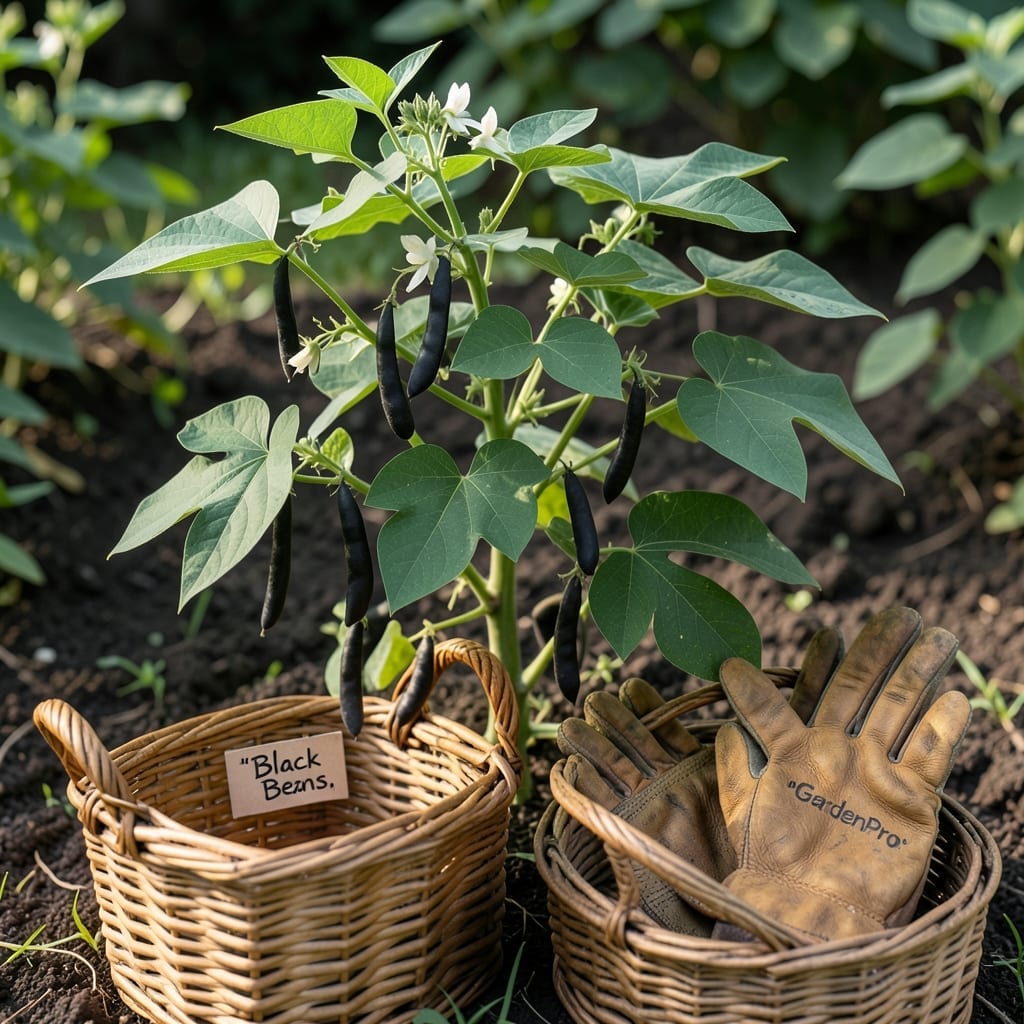
There’s something magical about watching a 🌱 Black Bean plant go from a tiny seedling to a full-grown powerhouse in your garden. I remember the first time I saw mine reach maturity—it was a game-changer for my harvest.
Getting them to that stage isn’t just about luck, though. It’s about understanding their needs and avoiding the common mistakes that can stunt their growth. Trust me, a little know-how goes a long way.
I’ll walk you through the essential care tips to ensure your Black Bean plants thrive and produce the best yield possible. Let’s get started.

A full grown black bean plant is a sight to behold in any garden. Typically reaching 2 to 2.5 feet tall, these hardy plants develop a bushy structure with vibrant green leaves that are broad and slightly oval.
The most striking feature is the dark green pods that emerge as the plant matures. These pods eventually turn yellow or brown when the beans inside are ready for harvest, signaling the plant has reached its peak.
| Characteristic | Specification |
|---|---|
| Height | 2-2.5 ft |
| Leaf Structure | Broad, oval green leaves |
| Pod Color | Green → yellow/brown |
| Sunlight Needs | 6-8 hours daily |
| Growth Habit | Bushy, upright |
I’ve noticed that healthy black bean plants often have a strong stem that supports the weight of the pods. This is crucial because weak stems can lead to lodging, where the plant falls over under its own weight.
The root system of a mature black bean plant is also impressive. It spreads 8 to 12 inches deep, anchoring the plant while absorbing essential nutrients from the soil. This makes them relatively drought-tolerant once established.
When it comes to pod development, a full grown plant will produce 4 to 6 pods per cluster. Each pod contains 4 to 6 beans, and a single plant can yield ½ to 1 pound of dried beans if conditions are ideal.
One thing I love about black beans is their adaptability. They thrive in USDA zones 6 and above, and while they prefer well-draining soil, they can tolerate a range of soil types as long as it’s not waterlogged.
The growth stages are fascinating to observe. From germination to maturity, it takes about 70 to 90 days. The plant starts with rapid vegetative growth, followed by flowering around day 40, and finally pod formation by day 50.
I always recommend planting in full sun for the best results. Black beans need at least 6 hours of direct sunlight daily to produce a high yield. Shade can lead to sparse flowering and fewer pods.
Another key characteristic is their nitrogen-fixing ability. Black beans form a symbiotic relationship with soil bacteria, which helps improve soil fertility for future crops. This makes them a great choice for crop rotation. ☀️
To grow a thriving full grown black bean plant, you need to focus on a few key areas. I’ve found that consistent watering is crucial, especially during pod development. Aim for 1-2 inches weekly, but adjust for rainfall.
Black beans thrive in well-draining soil with a pH of 6.0-7.0. I always mix in compost before planting to give them a nutrient boost. This helps the roots establish quickly and supports healthy growth. 🌱
I’ve learned that morning watering is best to prevent fungal diseases. Watering in the evening can leave foliage damp overnight, which invites mold growth. Always water at the base of the plant to keep leaves dry.
For fertilizing, I use a balanced 5-10-10 fertilizer every 4-6 weeks. Black beans don’t need heavy feeding, but a light application during active growth encourages strong stems and abundant pods.
Pest control is another priority. Aphids and bean beetles love black beans, so I check the undersides of leaves regularly. A strong blast of water or neem oil spray usually keeps them in check without harsh chemicals.
Finally, pruning isn’t typically needed, but I do remove any yellow or diseased leaves to improve air circulation. This simple step can prevent many common issues and keep your plants productive and healthy. ☀️