
Beautiful Plants For Your Interior
Beautiful Plants For Your Interior
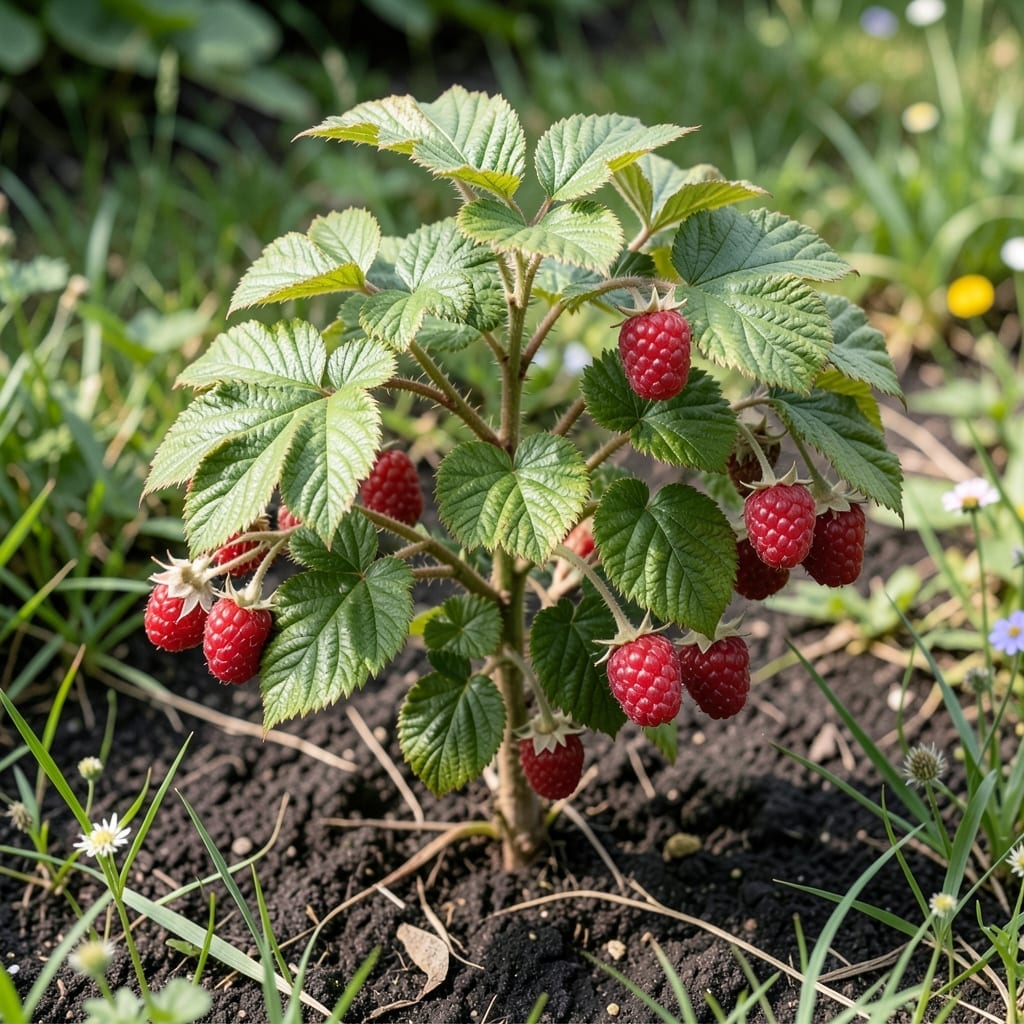
I’ve mistaken black raspberries for their doppelgängers more times than I’d like to admit. The confusion usually starts with those dark, clustered berries that look identical at first glance.
Between you and me, the real giveaway isn’t just the fruit—it’s the canes. Black raspberries have arched, thorny canes that root at the tips, while most imposters stand upright or sprawl without that signature habit.
Then there’s the leaf shape: raspberries flaunt white undersides and jagged edges, unlike the smooth or glossy leaves of blackberry or dewberry look-alikes. One quick check saves you from planting the wrong thing.
Spot the differences early, and you’ll avoid the headache of pulling up invasive pretenders later.
The similarity between black raspberries and their look-alikes often stems from shared botanical traits and environmental factors. Below are the key reasons why these plants can appear so alike.
Black raspberries (Rubus occidentalis) belong to the Rubus genus, which includes other berries like blackberries and dewberries. Many look-alikes, such as blackberries or elderberries, share similar growth patterns, leaf shapes, and fruit clusters due to their close genetic relationship. This evolutionary kinship results in overlapping physical characteristics, making visual identification tricky.
Plants in the same family often develop comparable structures to thrive in similar habitats. For instance, thorny canes, compound leaves, and dark-purple fruits are adaptive traits that help these plants deter herbivores and attract pollinators. When black raspberries and their doppelgängers grow in the same region, their shared adaptations can blur the lines between them.
Soil type, sunlight, and climate can alter a plant’s appearance. Black raspberries grown in shady, moist conditions may produce darker, glossier fruits that resemble wild blackberries or pokeberries. Conversely, stress from drought or poor soil can stunt growth, leading to smaller, less distinct berries that mimic other species.
The stage of ripeness also plays a role. Unripe black raspberries are red or purple, much like red currants or elderberries in their early stages. Even the leaves can change color and shape during different growth phases, adding to the confusion for foragers and gardeners.
Identifying black raspberry look alikes can be tricky, but these practical solutions will help you spot the differences with confidence.
Black raspberries have a hollow core when picked, while look-alikes like blackberries have a solid, white or green center. Gently squeeze a berry to see if it separates easily—this is a telltale sign of a true black raspberry.
Prevention tip: 💡 Always examine a few berries from the plant before harvesting to confirm the species.
Black raspberry canes are thin, upright, and bluish-green, with fine hairs. Imposters like dewberries or wild blackberries have thicker, arching stems with sharper thorns. The leaves of black raspberries are lighter green and more finely toothed.
Prevention tip: 🎯 Compare stem and leaf structures side-by-side with a trusted reference image or guidebook.
Black raspberries ripen earlier than most look-alikes, usually in early to mid-summer. If you’re seeing dark berries in late summer or fall, they’re likely a different species.
Prevention tip: ✨ Keep a gardening journal to track when your plants bear fruit, helping you spot inconsistencies year to year.
When in doubt, consult a local plant identification app (like iNaturalist or PlantNet) or a field guide. Snap clear photos of the berries, leaves, and stems for accurate results.
Prevention tip: 📱 Save reference photos of confirmed black raspberry plants to compare in the field.
Check the core after picking. True black raspberries have a hollow center, while most imposters have a solid core. Also, black raspberry canes arch and root at the tips.
Yes! Pokeberries resemble black raspberries but are toxic. They grow in long clusters on smooth stems, unlike raspberry canes. Always confirm identification before eating.
Many share genetics or adaptations. Blackberries, dewberries, and raspberries all belong to the Rubus family, so they naturally share traits like thorny canes and compound leaves.