
Beautiful Plants For Your Interior
Beautiful Plants For Your Interior
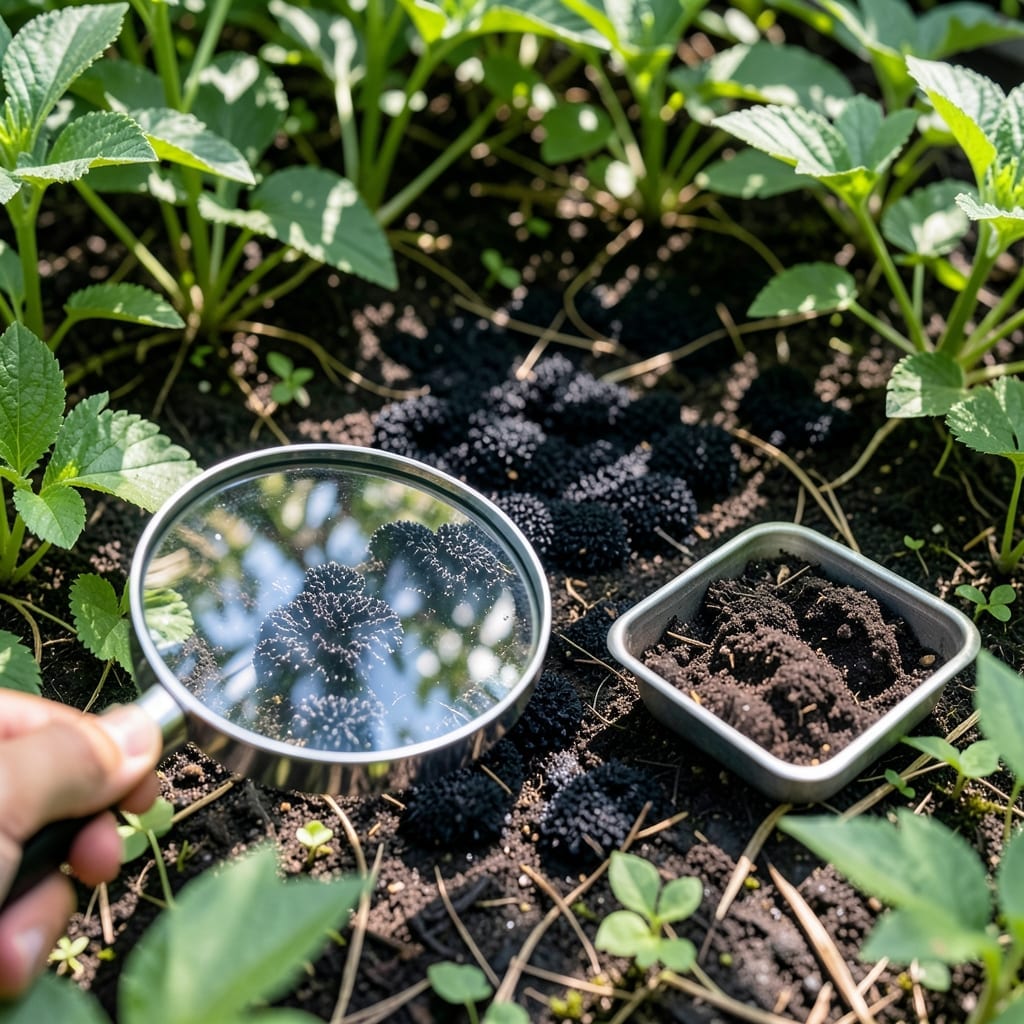
That black crust on your soil isn’t dirt—it’s trouble. I first noticed it creeping across my flower beds last summer, stunting growth and stealing nutrients from my plants.
This fungus thrives in wet, compacted, or poorly drained soil, often appearing after heavy rains or overwatering. It spreads fast, coating the surface and suffocating roots before you realize what’s happening.
Left unchecked, it weakens plants and invites disease. The good news? You can fight back with simple, organic solutions that restore balance to your garden soil.
Prevention starts with improving drainage and adjusting watering habits. Here’s how to reclaim your garden before this silent invader takes over.
Black ground fungus, often appearing as dark, soot-like growths on soil or plant surfaces, arises from several environmental and biological factors. Below are the primary causes, explained with actionable insights for gardeners.
Fungal spores thrive in damp, waterlogged conditions. Overwatering, compacted soil, or inadequate drainage creates a breeding ground for Capnodium and other saprophytic fungi. These organisms feed on decaying organic matter, multiplying rapidly in perpetually moist environments. Fix it: Improve soil aeration with organic amendments like compost or perlite, and ensure pots have drainage holes.
Falling leaves, dead plant material, or mulch left untreated on the soil surface provide a food source for black fungus. As these materials decompose, they release nutrients that fuel fungal growth. Fix it: Regularly remove plant debris and maintain a thin layer of mulch to discourage excessive moisture retention.
Stagnant air and high humidity (common in greenhouses or dense plantings) prevent soil from drying out, accelerating fungal development. Fix it: Space plants adequately, prune overgrowth, and use fans to promote airflow. In greenhouses, ventilate during cooler hours to reduce humidity.
Soils rich in nitrogen but deficient in phosphorus or potassium can weaken plants, making them more susceptible to fungal colonization. Over-fertilization with nitrogen-heavy products also encourages lush, soft growth—ideal for fungal attachment. Fix it: Test soil and balance nutrients; opt for slow-release, organic fertilizers.
Tackling black ground fungus requires a mix of immediate action and long-term prevention. Here’s how to address the most common causes and keep your soil healthy.
If water pools in your garden, the fungus thrives. Fix it by amending heavy clay soil with compost or sand to boost drainage. Raise garden beds or install French drains for severe cases. Prevention tip: 💡 Avoid overwatering and ensure pots have drainage holes.
Decaying leaves or mulch can harbor fungus. Remove all plant debris and old mulch from the affected area. Replace with fresh, sterile mulch to suppress regrowth. Prevention tip: ✨ Regularly rake and dispose of fallen leaves to deny the fungus a food source.
Fungus loves damp, stagnant air. Space out plants to improve circulation and trim dense foliage. Water early in the day so surfaces dry quickly. Prevention tip: 🌬️ Use a small fan in greenhouses or enclosed spaces to keep air moving.
Over-fertilizing, especially with nitrogen, can feed fungal growth. Test your soil and adjust with balanced, slow-release fertilizers. Prevention tip: 🎯 Rotate crops annually to prevent nutrient depletion and buildup of pathogens.
For active infections, spray neem oil or a baking soda solution (1 tsp baking soda + 1 quart water + a few drops of soap) on affected areas. Reapply after rain. Prevention tip: 🌿 Introduce beneficial microbes (like Trichoderma) to outcompete harmful fungi.
Consistency is key—combine these fixes with good garden hygiene to keep black ground fungus at bay for good!
Yes, it can stunt growth by blocking sunlight and stealing nutrients. The fungus coats soil and roots, preventing proper water and oxygen absorption. Address it quickly to avoid long-term damage.
Spores travel via wind, water, or garden tools. Isolate affected spots and clean tools after use to prevent contamination.
You can, but organic options like neem oil or baking soda solutions are safer for soil health. Chemicals may kill beneficial microbes too.
Natural remedies often show improvement within 1-2 weeks of consistent application. Severe cases may need 3-4 weeks for full recovery.