
Beautiful Plants For Your Interior
Beautiful Plants For Your Interior
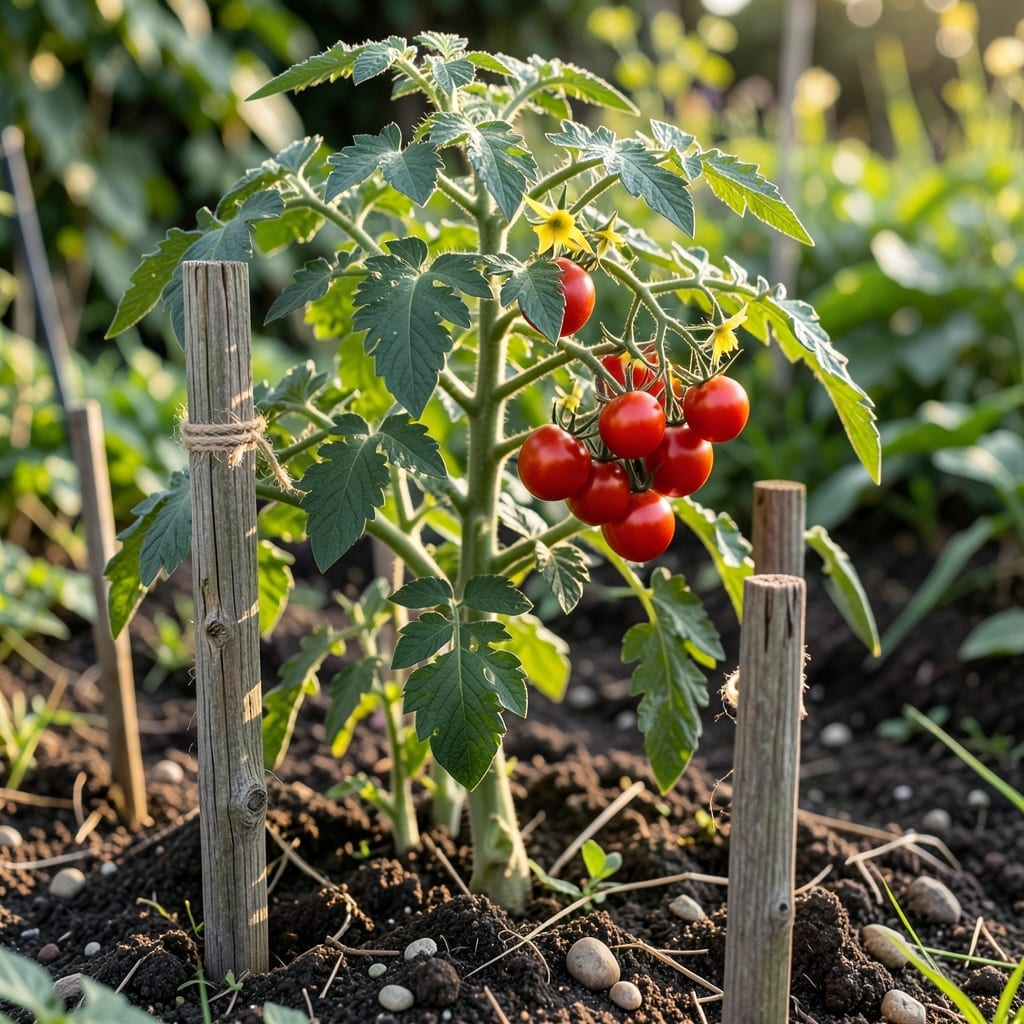
Dark, rich, and mysterious—this heirloom tomato stops everyone at the garden gate. I first grew Black From Tula after tasting its smoky-sweet flavor at a neighbor’s dinner table, and it’s been my star performer ever since.
Companion planting takes it to the next level. The right neighbors boost growth, deter pests, and even improve flavor. Marigolds fend off nematodes, while basil enhances that deep, complex taste this variety is famous for.
You’ll harvest deep purple-black fruits with 1-2 inch diameters, each one packed with juice. Plants grow 4-6 feet tall, so give them room—or a sturdy trellis.
Works in raised beds, containers, or open ground. Here’s how to pair it for your best season yet.
Black leaves on your Tula tomato plant can be alarming, but understanding the root causes helps you address the issue effectively. Here are the most common reasons:
Fungi like Alternaria solani (early blight) or Phytophthora infestans (late blight) thrive in wet, humid conditions. These pathogens attack foliage, causing dark, water-soaked spots that turn black and crispy. Poor air circulation and overhead watering exacerbate the problem.
Extreme temperature swings or frost can damage tomato leaves, leading to blackening. Tula plants are sensitive to cold snaps below 50°F (10°C), which disrupt cell structures. Similarly, heat stress above 90°F (32°C) may scorch leaves, especially if combined with low humidity.
Over-fertilization, particularly with nitrogen-heavy formulas, can cause leaf burn. Excess salts in the soil draw moisture out of the leaves, resulting in blackened edges. Conversely, a calcium deficiency may trigger blossom end rot, which can extend to foliage in severe cases.
Herbicides or improperly diluted pesticides can lead to phytotoxicity, causing leaves to turn black and brittle. Even organic sprays like neem oil may harm foliage if applied in direct sunlight or at high concentrations.
Identifying the cause early allows for targeted fixes, such as improving drainage, adjusting watering practices, or applying fungicides.
If your Tula tomato plants are developing black spots or stems, don’t panic—there are straightforward fixes. Below are targeted solutions for the most common causes, paired with prevention tips to keep your plants thriving.
Black spots often signal fungal diseases like early blight or septoria leaf spot. Remove infected leaves immediately and space plants at least 24 inches apart to boost air circulation. Water at the base in the morning so foliage dries quickly. Prevention: Apply a copper-based fungicide weekly during wet seasons.
Black, sunken patches on fruit bottoms? This is classic blossom end rot. Add crushed eggshells to the soil or use a calcium-rich foliar spray. Keep soil moisture consistent—avoid drought stress followed by overwatering. Prevention: Test soil pH (aim for 6.0–6.8) and amend with lime if too acidic.
Blackened stems or chewed leaves may mean aphids or flea beetles. Spray with neem oil or introduce ladybugs to control pests organically. For severe infestations, use insecticidal soap. Prevention: Plant companion herbs like basil or marigolds to repel pests naturally.
Soggy soil can cause root rot, leading to blackened stems. Check drainage—amend heavy soil with compost and ensure pots have drainage holes. Water only when the top inch of soil feels dry. Prevention: Use raised beds if your garden has poor drainage.
💡 Pro Tip: Rotate crops yearly to prevent soil-borne diseases from recurring.
Yes, fungal infections like early blight can spread quickly. Remove affected leaves immediately and avoid overhead watering to prevent further contamination.
Inspect plants daily during humid weather. Catching issues early prevents major damage. Look for dark spots on lower leaves first.
Marigolds repel pests, while basil improves air circulation. These reduce stress factors that lead to black leaves and stems.
No, it can also result from frost, heat stress, or chemical burns. Check for environmental causes before assuming a fungal issue.