
Beautiful Plants For Your Interior
Beautiful Plants For Your Interior
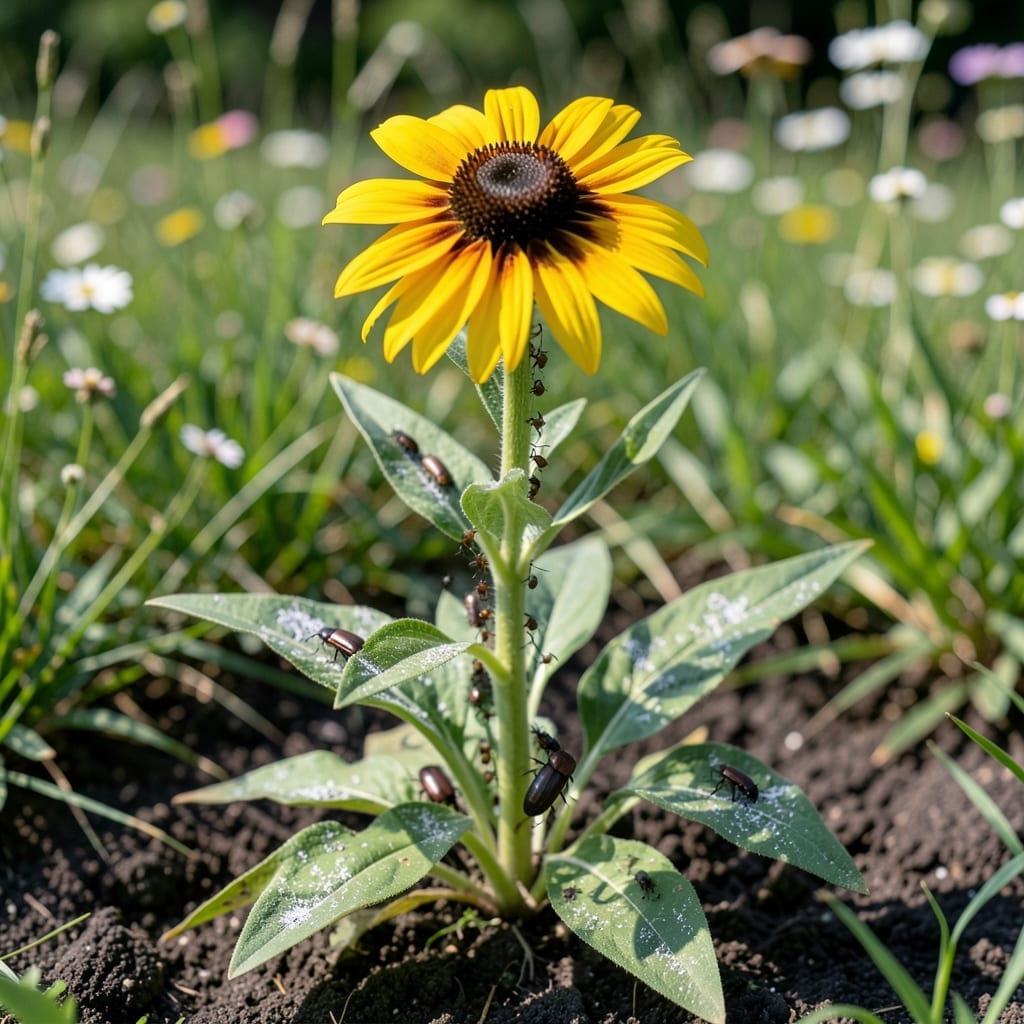
My black-eyed Susans were thriving until aphids turned them into a buffet. I learned the hard way that DIY traps can stop pests before they start—no chemicals required.
The key is catching them early. Yellow sticky cards catch whiteflies, beer traps drown slugs, and simple barriers keep rabbits away. Most solutions use items you already have at home.
Within 24 hours of setting traps, you’ll see fewer pests and healthier plants. The difference between struggling blooms and vibrant flowers is often just a little prevention.
Works for aphids, Japanese beetles, and even deer. Here’s how to set up your defense.
Black-eyed Susans (Rudbeckia hirta) are hardy, but they can still fall victim to pests. Understanding why these invaders appear is key to prevention. Below are the primary causes, backed by science and observation.
When Black-eyed Susans are planted too closely, poor air circulation creates a humid microclimate. This attracts aphids and powdery mildew, which thrive in stagnant, moist conditions. Thin plants to 12–18 inches apart to improve airflow and reduce pest appeal.
Overwatering or poor drainage leads to soggy soil, a breeding ground for slugs, snails, and fungal diseases. These pests are drawn to decomposing plant matter and soft stems. Ensure well-draining soil and water only at the base to keep foliage dry.
Soil lacking in essential nutrients (e.g., nitrogen or potassium) weakens plants, making them more susceptible to Japanese beetles and spider mites. Conduct a soil test and amend with compost or a balanced fertilizer to fortify plant health.
Monoculture gardens (only Black-eyed Susans) invite pest outbreaks by eliminating natural predators like ladybugs and lacewings. Introduce companion plants (e.g., marigolds, lavender) to attract beneficial insects that keep pest populations in check.
Keeping your black eyed Susans thriving means tackling pests head-on. Here’s how to fix common issues and prevent future problems.
Mix 1 teaspoon of mild dish soap with 1 quart of water and spray directly on aphids. Repeat every 2-3 days until they’re gone. Prevention tip: 💡 Introduce ladybugs or lacewings—natural predators that keep aphids in check.
These tiny pests thrive in dry conditions. Mist plants regularly or use a humidifier nearby. For severe infestations, apply neem oil weekly. Prevention tip: ✨ Keep plants well-watered and avoid over-fertilizing, which attracts mites.
Place shallow dishes of beer near plants—slugs will crawl in and drown. Alternatively, sprinkle diatomaceous earth around the base. Prevention tip: 🎯 Remove debris and mulch where slugs hide during the day.
Pick beetles off by hand in the morning when they’re sluggish. For larger infestations, spray kaolin clay to deter them. Prevention tip: 🌡️ Use floating row covers to block access to plants.
Hang yellow sticky traps near plants to catch adult whiteflies. For larvae, spray with insecticidal soap. Prevention tip: 🔥 Avoid overcrowding plants, which encourages whitefly spread.
Regular inspections and quick action will keep your black eyed Susans pest-free and vibrant!
Look for curled leaves, sticky residue (honeydew), or visible green/black bugs. Aphids cluster on new growth and flower buds, so check undersides of leaves regularly.
Yes! Ladybugs and predatory mites like Phytoseiulus persimilis feed on spider mites. Introduce them early for best results, especially in dry conditions.
Set out shallow beer traps at dusk. Slugs are attracted overnight and drown. For immediate action, handpick them off plants in the evening.
Too much nitrogen produces soft growth that aphids and Japanese beetles love. Use balanced, slow-release fertilizers instead.