
Beautiful Plants For Your Interior
Beautiful Plants For Your Interior
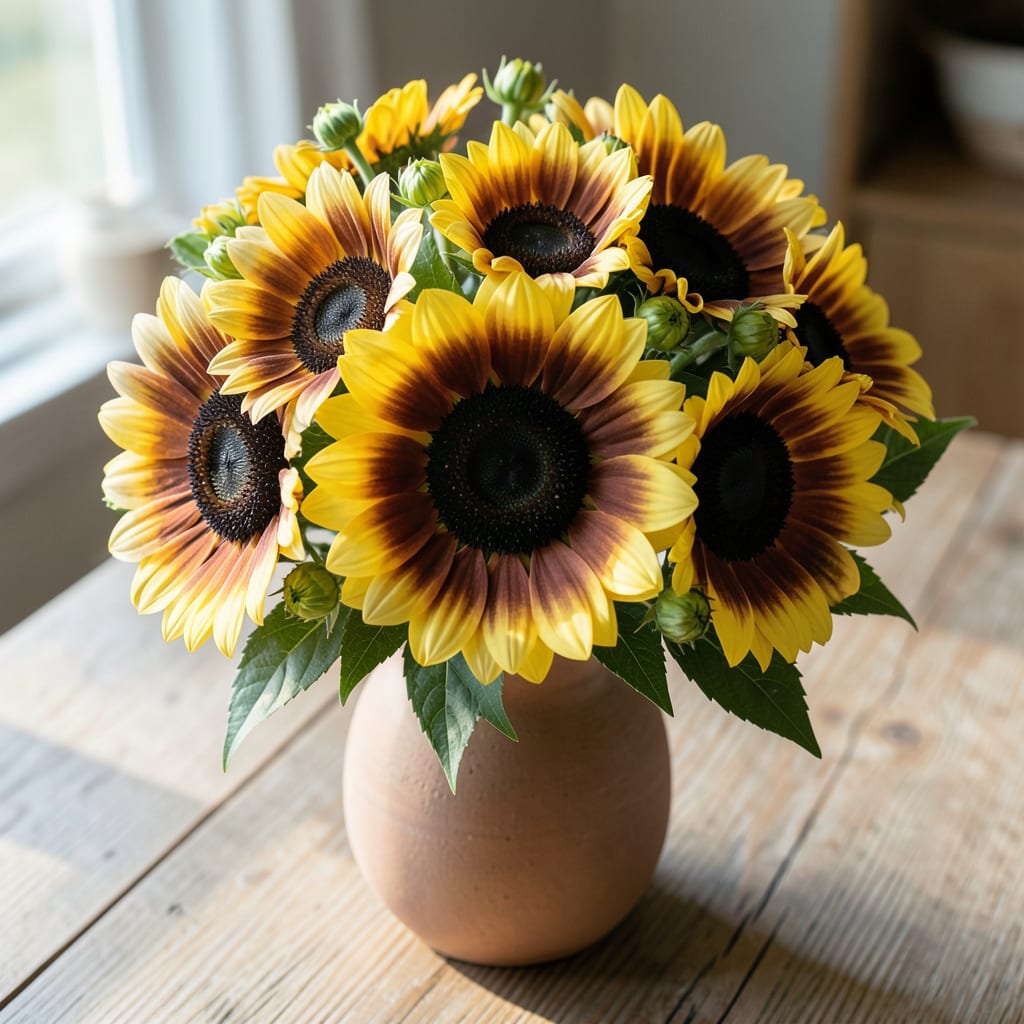
First time I planted black eyed susans, the pollinators arrived before the blooms even opened. These bright yellow daisies magnetize bees and butterflies like nothing else in my garden.
They thrive in full sun with well-draining soil, asking only for occasional water once established. You’ll get months of flowers with almost no maintenance, and they return every year with even more blooms.
📚 In This Guide
This no-fail method delivers bold, pollinator-friendly blooms that thrive with minimal effort.
Select a spot with full sun—at least 6-8 hours of direct sunlight daily. These daisies tolerate partial shade but bloom sparsely and may require staking. I’ve seen the most vibrant displays in south or west-facing beds where the afternoon light intensifies the golden petals.
Plant in spring or early fall to allow roots to establish before extreme heat or cold. If starting from seed, sow directly in the garden 4-6 weeks before the last frost. The seeds need light to germinate, so press them lightly into the soil but don’t bury them.
Black Eyed Susans thrive in well-draining soil but adapt to most conditions. Work the top 12-18 inches of soil to loosen it, removing rocks or debris. These plants prefer slightly acidic to neutral soil (pH 6.0-7.0).
Amend heavy clay or sandy soil with 2-3 inches of compost to improve fertility and drainage. I skip the fertilizer at planting—too much nitrogen early on produces lush foliage at the expense of flowers. The compost provides enough organic matter to sustain initial growth.
Space plants 18-24 inches apart to allow for air circulation, which prevents powdery mildew. Dig a hole twice as wide as the root ball but no deeper. Position the plant so the crown sits slightly above the soil line to avoid rot.
Backfill with native soil, pressing gently to eliminate air pockets. Water deeply at planting to settle the soil around the roots. I always mulch with 1-2 inches of shredded bark or straw to retain moisture and suppress weeds, but keep it away from the stems to prevent disease.
Water newly planted daisies 1-2 times per week, providing 1 inch of water each time until established. Once mature, they’re drought-tolerant and only need watering during prolonged dry spells. You’ll know it’s time when the top inch of soil feels dry.
Deadhead spent blooms regularly to encourage continuous flowering throughout the season. I use sharp pruners to cut back the entire plant by one-third in midsummer if it starts looking leggy—this rejuvenates growth and triggers a fresh wave of blooms within 3-4 weeks.
Every 3-4 years, divide clumps in early spring or fall to maintain vigor. Dig up the entire plant and use a knife or spade to separate the crown into sections, ensuring each has several healthy shoots and roots. Replant immediately.
You can also propagate from stem cuttings in late spring. Take 4-6 inch cuttings from healthy stems, remove the lower leaves, and dip the ends in rooting hormone. Plant in moist potting mix and keep in bright, indirect light until roots form in 4-6 weeks.
These insights will help you grow vibrant, healthy blooms with ease.
Sunlight Essentials: The 6-8 hours of direct sunlight isn’t just a suggestion—it’s critical for those bold golden petals. I’ve noticed plants in partial shade tend to grow leggy and produce fewer flowers. South or west-facing spots work best, but any location with full sun exposure will deliver those vibrant displays.
Soil Preparation Tip: When working the top 12-18 inches of soil, focus on removing rocks and debris to create a welcoming environment for roots. If your soil is heavy clay or sandy, adding 2-3 inches of compost improves drainage and fertility without overloading the plants with nitrogen, which can sacrifice blooms for foliage.
Planting Depth Matters: Keep the crown slightly above the soil line when planting to prevent rot. This small detail makes a big difference in long-term health. I’ve saved several plants from early decline just by ensuring proper depth during the initial planting.
Watering Wisdom: For newly planted daisies, that 1-2 times per week schedule with 1 inch of water each time helps establish strong roots. Once mature, these plants are surprisingly drought-tolerant, but don’t wait until the soil is bone dry—check the top inch and water when it feels dry to the touch.
Plant them in well-drained soil with full sun (6+ hours daily). Sow seeds in spring or fall, or use nursery starts. They’re low-maintenance and drought-tolerant once established!
Expect vibrant yellow blooms from early summer to fall (June–October). Deadhead spent flowers to encourage longer blooming periods.
Yes! Try coneflowers, bee balm, or milkweed. These also attract bees, butterflies, and hummingbirds while adding color to your garden.
Common issues: too much shade, over-fertilizing (they prefer lean soil), or overwatering. Ensure they get enough sun and avoid soggy roots.
